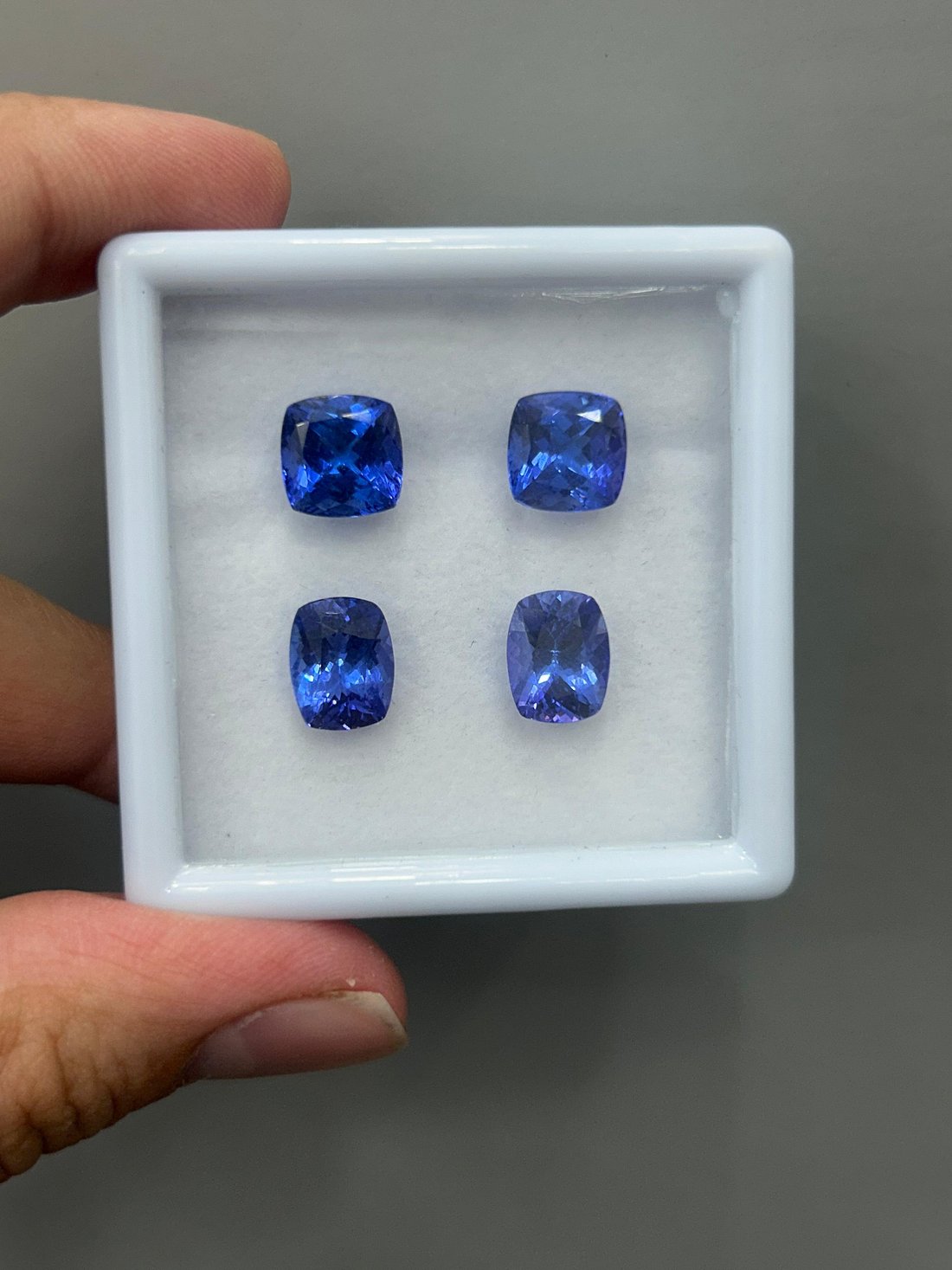
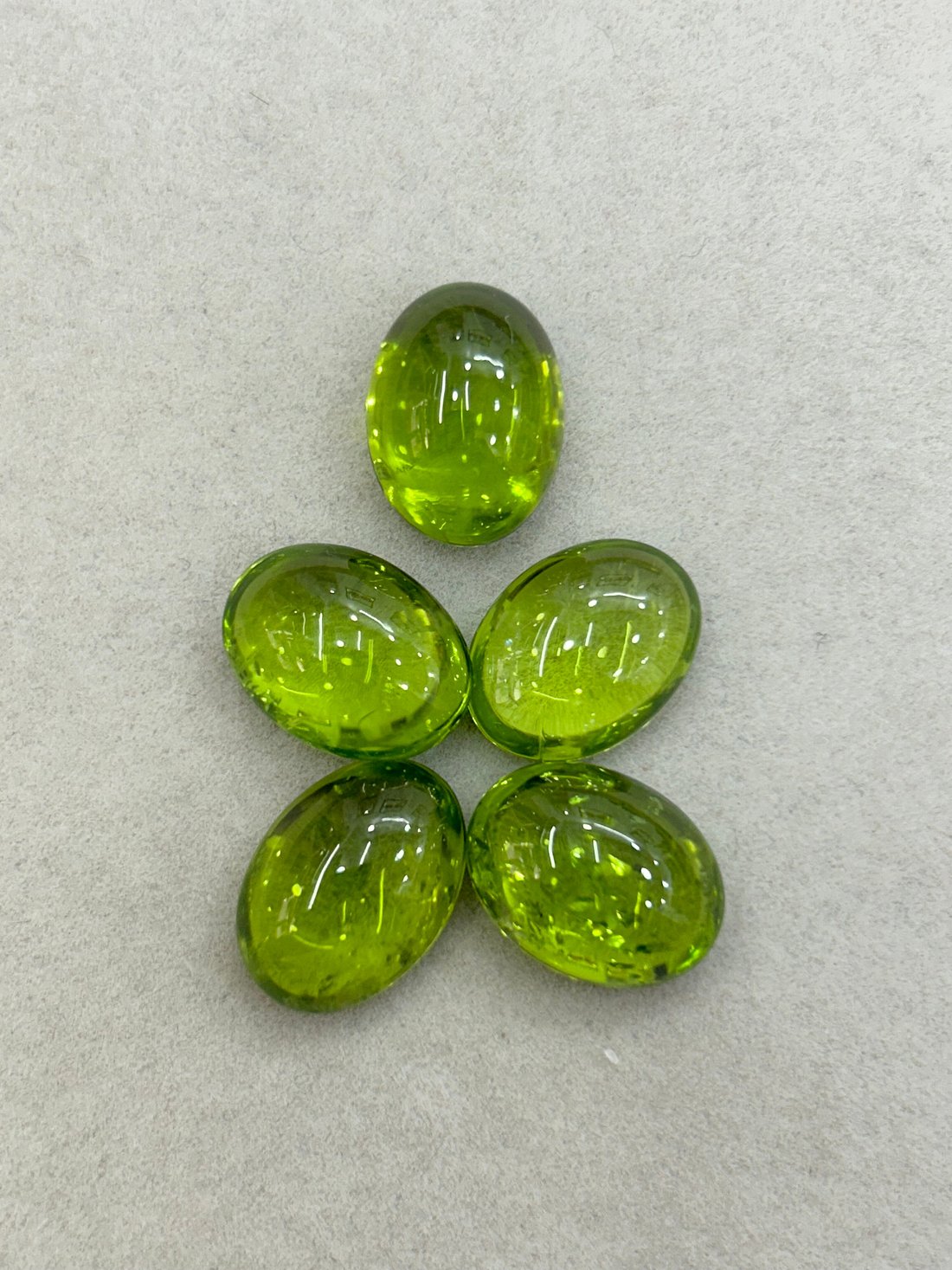
Anniversary jewellery traditions: use a named list and choose for the wearer
Use a named anniversary jewellery list, compare selected GIA examples and turn a milestone association into a personal wearing brief.
In this article
Choose the anniversary reference first, then decide how closely you want to follow it. Record the publisher or family tradition beside the suggested material. That gives your gift a clear explanation while leaving room for the wearer's preferences.
GIA's 2016 anniversary series explains that its gemstone selections draw on similar lists and that there is no single authoritative wedding-anniversary gemstone list. Treat the examples below as selections from that named series. GIA's years one through ten
A few examples from GIA's series
GIA's early-year article includes garnet for year two, pearls for year three, blue topaz for year four and sapphire for year five. These are useful starting associations if you have chosen GIA's list. Early-year anniversary selections
Its later-year article includes a silver jubilee for year twenty-five, cultured pearls for year thirty, ruby for year forty, a golden jubilee for year fifty and diamond for year sixty. The list includes metal-themed milestones as well as gemstones. GIA's years twenty-one through sixty
These are selected entries from GIA's series. Ask which reference your family or recipient wants to use. If someone has given you a different list, compare the named entries before describing your gift as traditional.
Follow, adapt or choose a personal connection
Decide which part of the association matters to you. You may want the named material, a colour that reminds you of the milestone, or a piece connected with a shared memory. Describe your choice openly rather than presenting an adaptation as the exact list entry.
In a hypothetical fifth-anniversary example, one partner wants to use the sapphire association but does not know whether the recipient wants a ring. They keep the gem idea open and ask about the format. The recipient-first gift guide provides a way to resolve that question.
A different hypothetical couple chooses a colour from a place they visited together. Their note can explain that personal reason. They do not need to invent a historical tradition to make it meaningful.
Turn the list entry into a wearing brief
Use this original planning record:
- Anniversary year and the exact list or personal reference you chose
- The association you want to retain, if any
- The recipient's preferred jewellery format and appearance
- Fit information still needed
- Seller questions about the actual material and complete piece
- Your honest explanation for the gift note
Keep the association separate from evidence about the item. A milestone label should lead to further questions about the offered jewellery. It should not answer them on its own.
If you choose pearls, the whole-piece pearl guide covers comparison and aftercare questions. For other gems, begin with planning for real wear and the relevant individual gem guide. Use the birthstone traditions guide only if you also want a birth-month connection.
Give the reference with the gift
Your note can say which anniversary list you used, or explain that the piece celebrates a personal memory. Leave the description of the actual materials to the item record. The existing meanings and legends guide helps you keep attributed symbolism separate from unsupported effects.
Finish with the piece-specific gift care card. A useful anniversary gift has an explanation the recipient can understand and information they can use after the celebration.