Choosing pearls: compare the whole piece and its aftercare
Compare a complete pearl strand or pair rather than relying on size or shape alone.
In this article
What should the complete pearl piece look like?
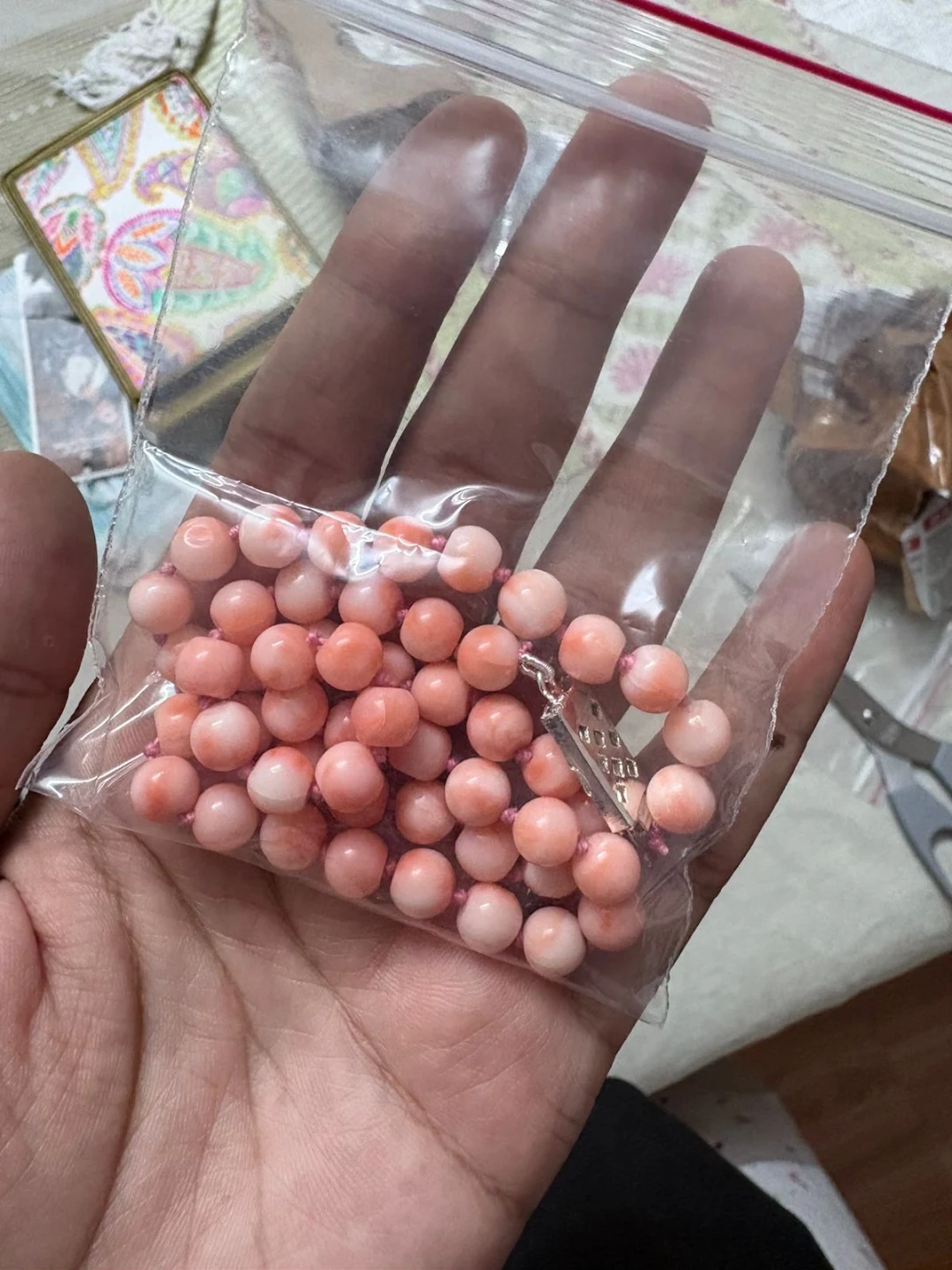
For a pearl necklace gift, start with the intended length and the look you want. Ask to compare complete proposals, including the pearls and clasp. Keep the material description and aftercare questions in the same shortlist so you can review more than the largest diameter in a listing.
Use the necklace length guide to compare where you want the complete piece to sit.
Natural and cultured describe growth
Natural pearls form without human intervention. Cultured pearls require people to introduce tissue, sometimes with a bead, into a mollusk and tend it during growth. Major cultured types are akoya, South Sea, Tahitian and freshwater. Pearls occur in many colours and shapes; the familiar white round pearl is only one possibility. GIA: pearl description
Keep identity visible in the shortlist
Ask for the pearl type and whether the piece is described as natural or cultured. Write the answer beside the quotation. If a description is incomplete, request clarification before comparing the price with another item. Our laboratory report guide helps you frame questions about evidence. For a gift, also decide which information you want included in the handover so the recipient can understand and care for the piece.
Look at the quality factors together
Pearl evaluation considers size, shape, colour, lustre, surface, nacre (the pearl’s layered material) and matching in multi-pearl jewellery. Lustre describes the strength of reflections. Thin nacre can affect appearance and durability. Round pearls are rare, but attractive irregular shapes can also be prized. No one factor replaces a view of the completed strand or pair. GIA: pearl quality factor
Make matching an intentional preference
For your hypothetical gift, decide whether a close visual match is important or whether you would enjoy an intentionally varied strand. Ask to see the full necklace laid out and worn or presented at the intended length. For earrings, request both together. Write down whether the proposal delivers the look you wanted. The quality buying guide helps you organise the visual comparison without inventing a universal score.

Check the string and the disclosure
Knots between strung pearls help prevent rubbing and limit losses if the string breaks. A strand can be restrung when its string stretches or weakens. Pearls may be dyed, impregnated or coated, while bleaching and irradiation can be stable during normal wear. Ask the seller to identify any known treatment. GIA: buyers guide
Ask for an ownership plan
Before purchase, ask who can assess the string and clasp later, what service is offered and whether any cost has been included or quoted separately. Record the answers without assuming a guarantee. Our treatment disclosure guide offers a useful way to clarify the material description. Keep the quoted aftercare services and costs with the purchase record.
Use gentle, consistent care
Pearls scratch easily. Heat, acids, cosmetics, perfume and perspiration can harm them. Wipe after wearing with a clean, very soft cloth. Warm, soapy water suits occasional deeper cleaning, but a strung necklace must dry fully before use. GIA advises against steam and ultrasonic cleaners. Some dyed or coated appearances can change over time. GIA: pearl care cleaning
Give the recipient something useful
Include the actual description and the complete-piece care instructions with the gift. Avoid adding folklore or claims about benefits the documentation does not establish. Our mixed-material cleaning plan helps organise the instructions. Finally, review the necklace as a whole: does its length, appearance and agreed aftercare answer the brief you started with?