What does gemstone quality mean? Questions to ask before buying
A guide to seller quality labels, colour, cutting and the questions to ask before buying.
In this article
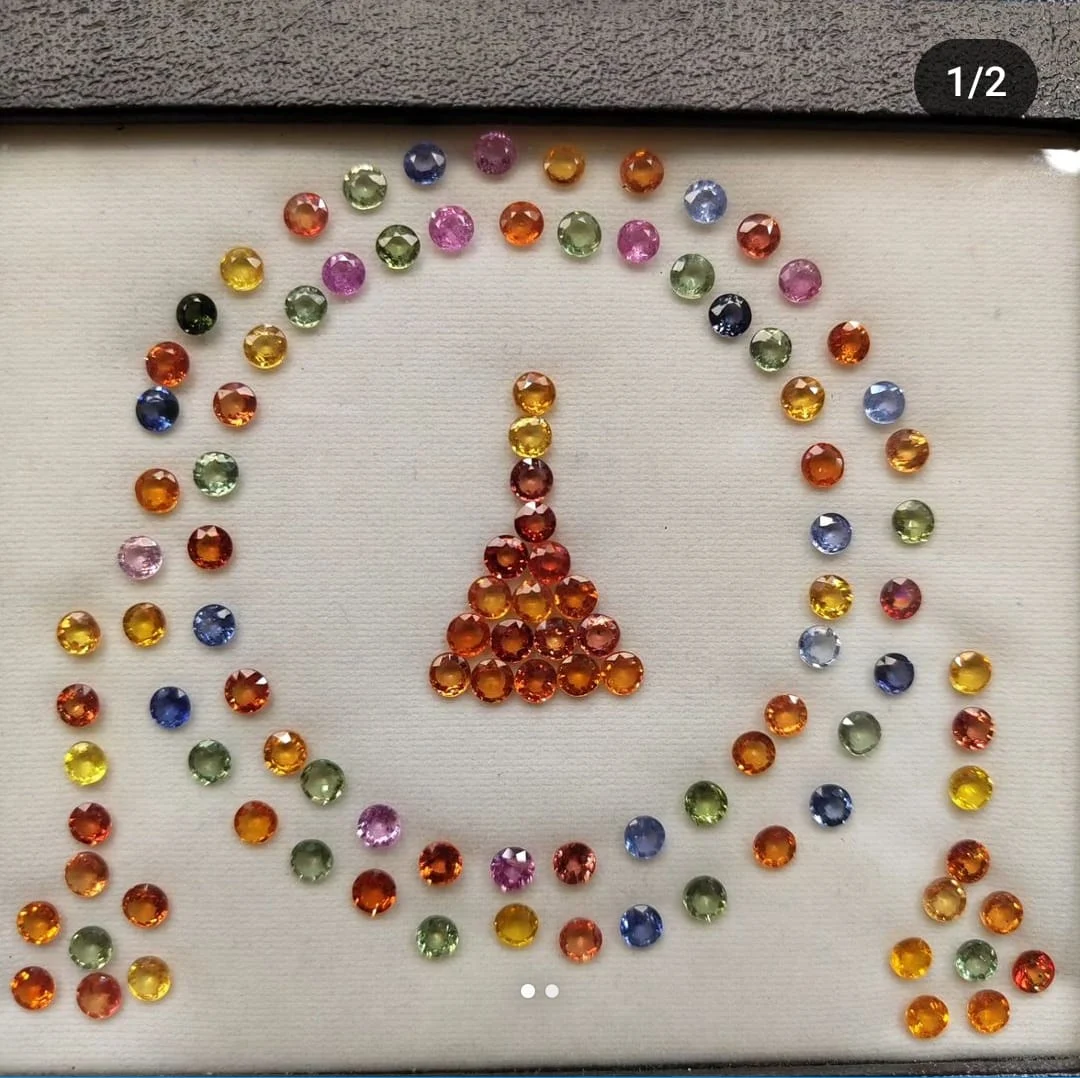
What makes one sapphire “AAA” and another “AA”? The label only helps you choose once you know what the seller means by it. Quality becomes easier to discuss when you separate the stone’s identity, its appearance, its treatment history and how you plan to wear it.
For non-diamond coloured stones, GIA says there is no broadly accepted grading system. Different materials and interacting quality factors make a single universal scale difficult. Its coloured-stone identification service describes material and detectable treatments; an eligible origin report adds geographic origin. These findings answer different questions from an overall commercial quality grade. GIA’s explanation and report services
Turn a grade label into useful information
Treat A, AA and AAA as seller-specific quality labels unless the seller identifies a named system and explains its criteria. Do not assume two shops use the letters in the same way. Ask what changes between the grades: colour, visible inclusions (internal features), cutting, treatment, size, or a combination. Ask whether the criteria are published and whether the grade applies to this particular stone.
There is a separate complication with jade. SSEF describes A/B/C terminology in a treatment context. Those letters must not be read as a general coloured-gem quality ladder. The jade choosing guide explains why the surrounding wording matters. SSEF jade report guidance
A useful reply should give you something observable or documented. “Our best quality” may be an honest description of the seller’s own range, but you still need to understand the range before comparing it elsewhere.
Decide which qualities matter to you
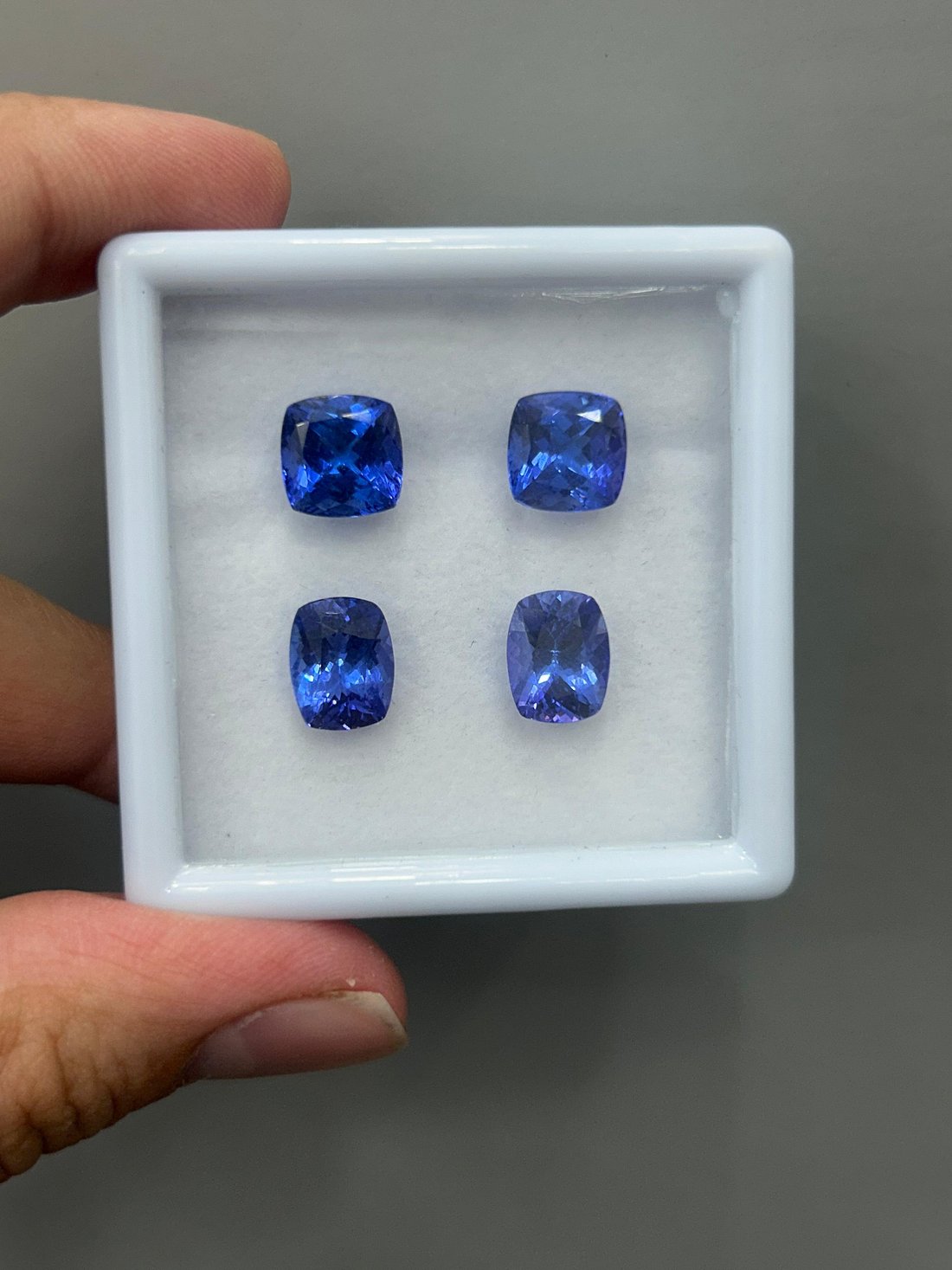
Imagine two stones offered for a pendant. You prefer the colour of the first, while the second has a tidier outline. Neither preference supplies a universal winner. Write down your priorities before reading the sales description: perhaps a lively colour in indoor light, a specific outline, or an appearance you can enjoy without close inspection.
GIA’s discussion of coloured-stone value distinguishes colour, clarity, size, shape and cutting quality. These considerations interact rather than producing a simple score you can transfer between materials. Our guide to gemstone cut and shape helps make one part of that comparison more concrete. GIA value factors


Six questions before buying
- What is the exact material, and is its natural or synthetic origin disclosed?
- Which treatments are known, which have been tested for, and what remains uncertain?
- What does any quality label mean in this seller’s system?
- Can I view this exact stone in lighting similar to where I will wear it?
- What evidence supports the description, and can I verify any laboratory report?
- What are the written return conditions, and who can explain the care requirements?
Ask for the answers in writing so your comparison does not depend on memory. Read what a laboratory report can establish before treating a report as the answer to every question. Then consider durability in real wear, especially when you are choosing a ring.
A good buying decision does not require you to become a gemologist. It requires a clear description, a chance to judge the features you care about and enough evidence to understand what you are paying for.