Gemstone cuts: looking past the shape name
Gemstone cuts: looking past the shape name.
In this article
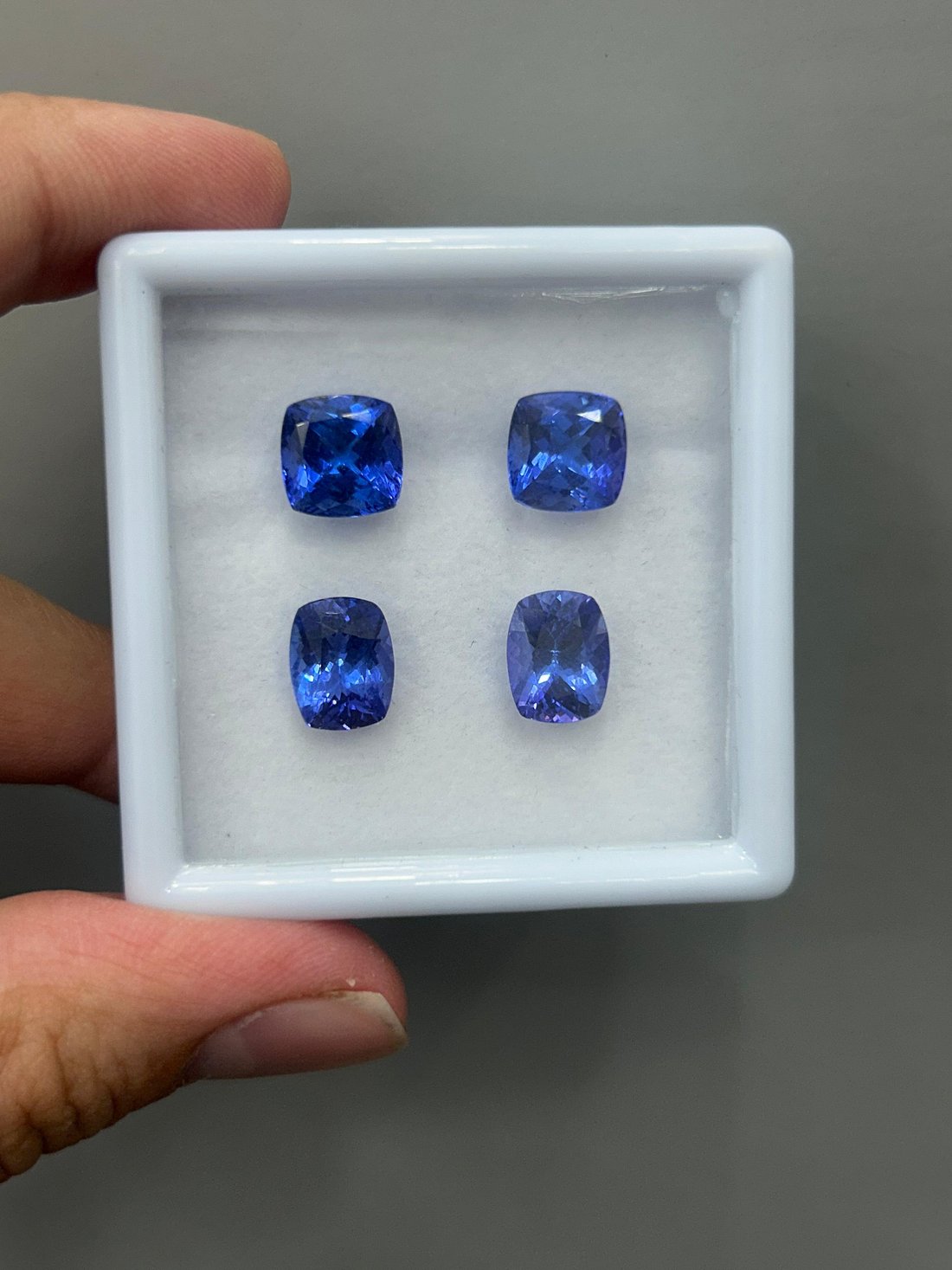
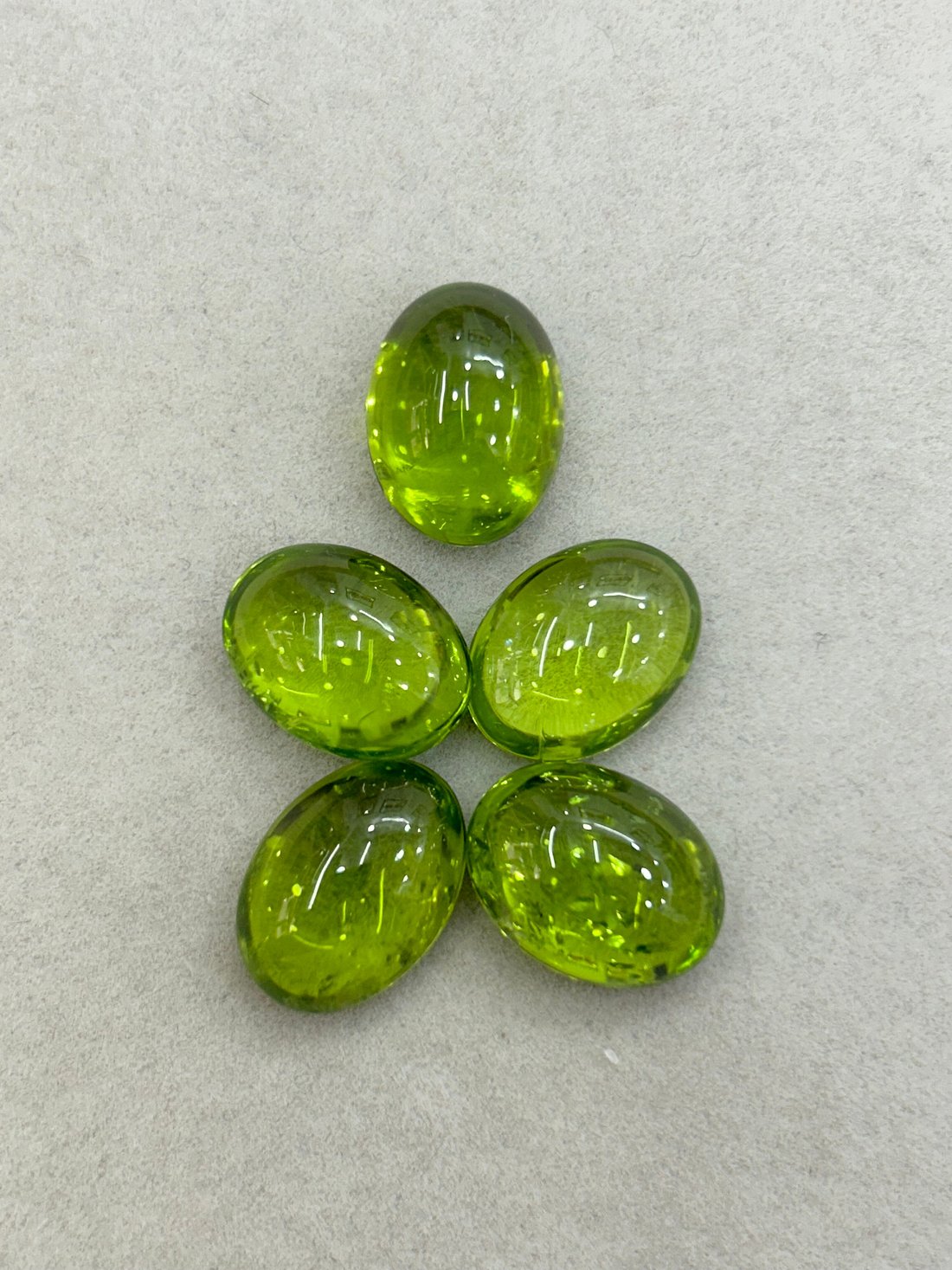
What does “well cut” mean beyond a shape such as oval? The outline is only the beginning of the comparison. You still have questions about how the stone was shaped, polished and arranged to handle light. A useful cut comparison begins with the actual gem rather than the name of its shape.
GIA distinguishes shape from cutting quality. Facet placement, proportions, symmetry and polish influence appearance. A window is an area through which light passes instead of returning towards the viewer, so the background becomes visible. In coloured stones, rough material and colour also influence a cutter’s choices. GIA value-factor discussion
Look at the appearance you are buying
Ask to see the stone face-up, then moving slightly, with its dimensions beside the images. Describe any area that stays pale or dark rather than trying to grade it from one frame. If something bothers you, ask the seller to explain it in a second viewing setup.
Your goal is to decide whether you enjoy the finished appearance. It is reasonable to prefer an unusual outline, a quiet pattern or a lively one. Put that preference in words so a technical-sounding description does not replace your own observation.
Understand why rough planning matters
John Dyer’s studio explains custom cutting as a process shaped by each piece of rough. Preforming approximates the eventual shape before detailed cutting and polishing; internal features can reveal further surprises. This account illustrates one studio’s choices; ask any prospective cutter to explain their own process. Dyer’s custom-cutting explanation
Suppose your first priority is a particular outline for a design. Tell the cutter or seller that priority and ask what compromises it could require. If your first priority is the appearance of an existing gem, ask which setting could accommodate it. Starting with the priority makes the conversation more useful than asking for an undefined “best cut.”
Keep measurements beside the cut description
Extra depth can add weight without improving attractive face-up size, as GIA’s cut-quality discussion explains. That is a reason to inspect dimensions and proportions, not a reason to reject every deep stone. The carats and millimetres guide gives you a simple way to compare the footprint. GIA cut-quality guidance

Outline and whole profile
Original geometric examples; no optical prediction.
- Outline
- An oval describes the outside shape
- One profile
- Record the actual depth
- Another profile
- Same outline; different geometry
Diagram text
Outline: An oval describes the outside shape. One profile: Record the actual depth. Another profile: Same outline; different geometry.
Ask what “precision” means in this offer
Dyer’s FAQ describes a manually executed process using equipment and a trained team. The word “precision” should still lead to a description of the work and the actual result rather than be treated as a universal coloured-stone grade. Ask about the maker, the stated design and what the term means for this particular item. Dyer studio FAQ
Before deciding, make a short note of the appearance you like, the dimensions, the explanation of any concern and the evidence still needed. Continue with gemstone quality questions and online viewing checks. Cut becomes easier to discuss when the vocabulary serves what you can observe and what you want to wear.