Buying gems online: questions a beautiful photograph cannot answer
Buying gems online: questions a beautiful photograph cannot answer.
In this article
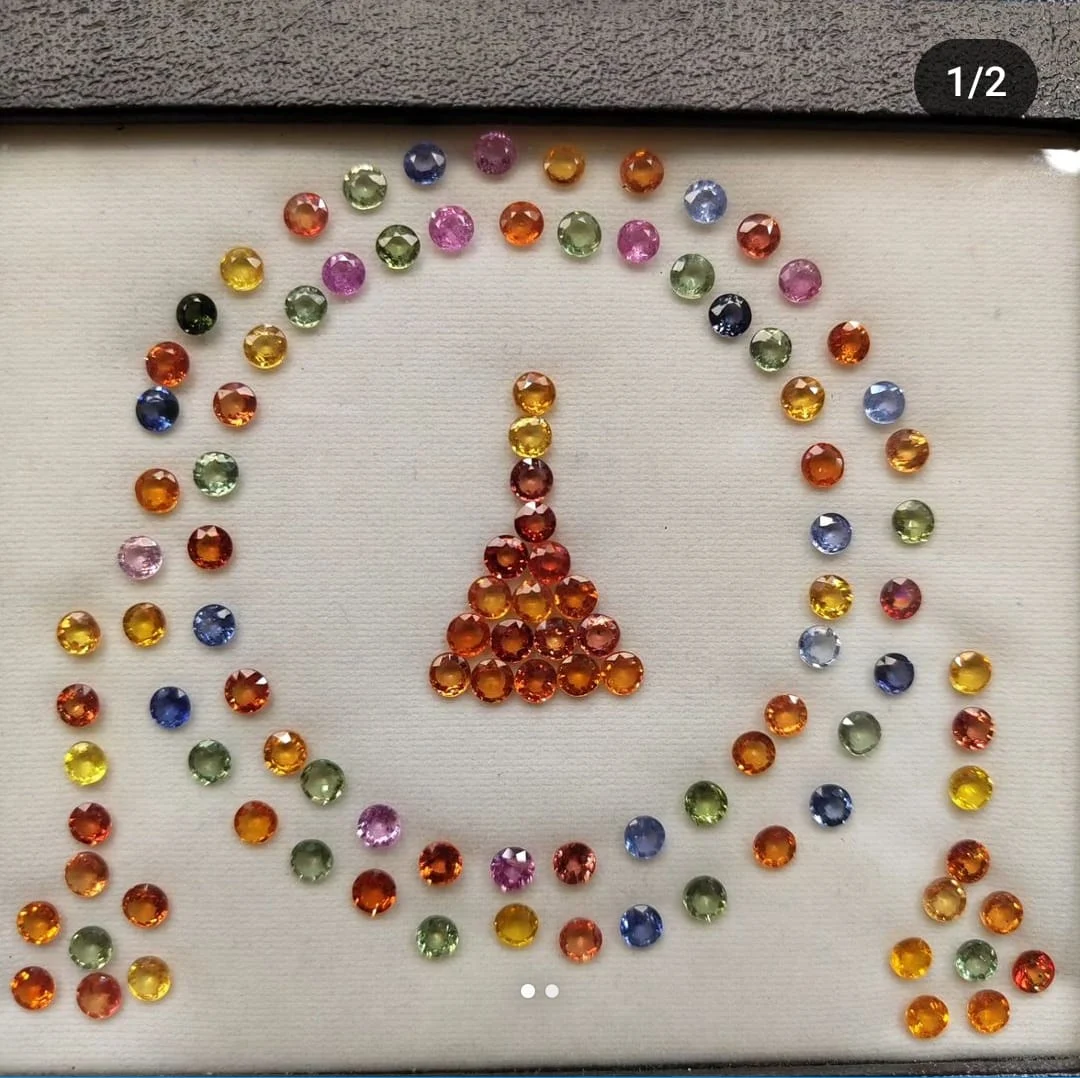
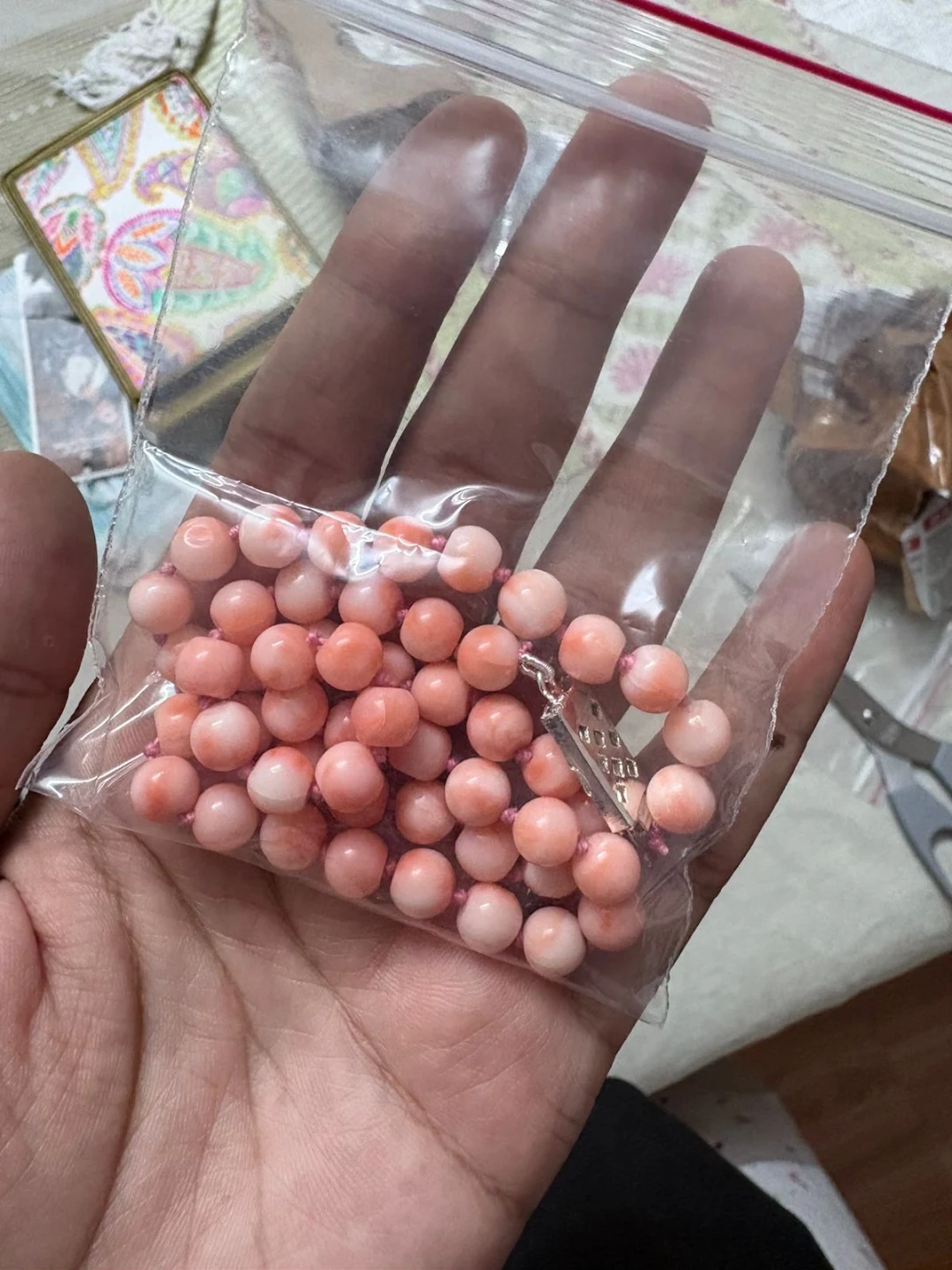
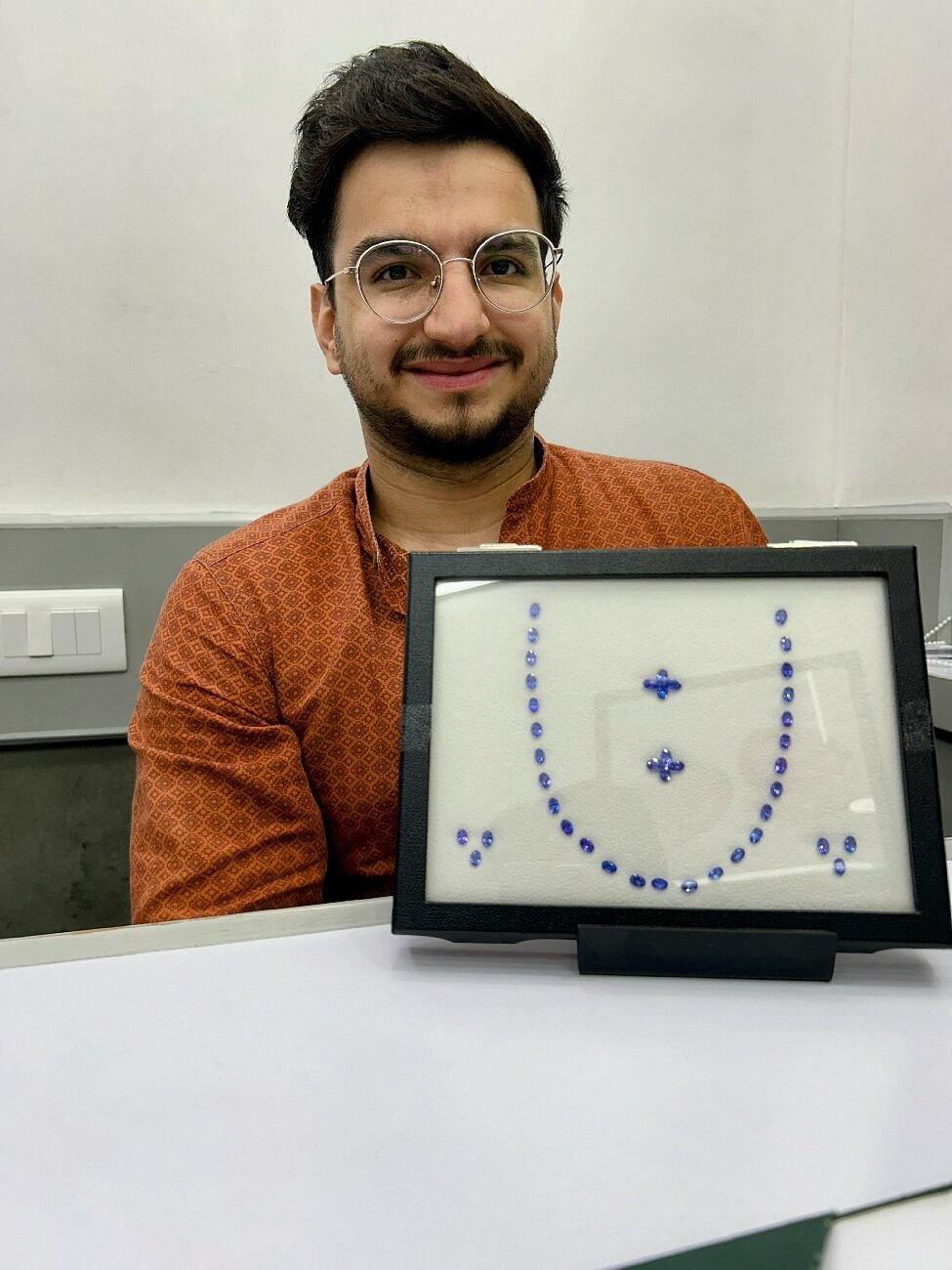
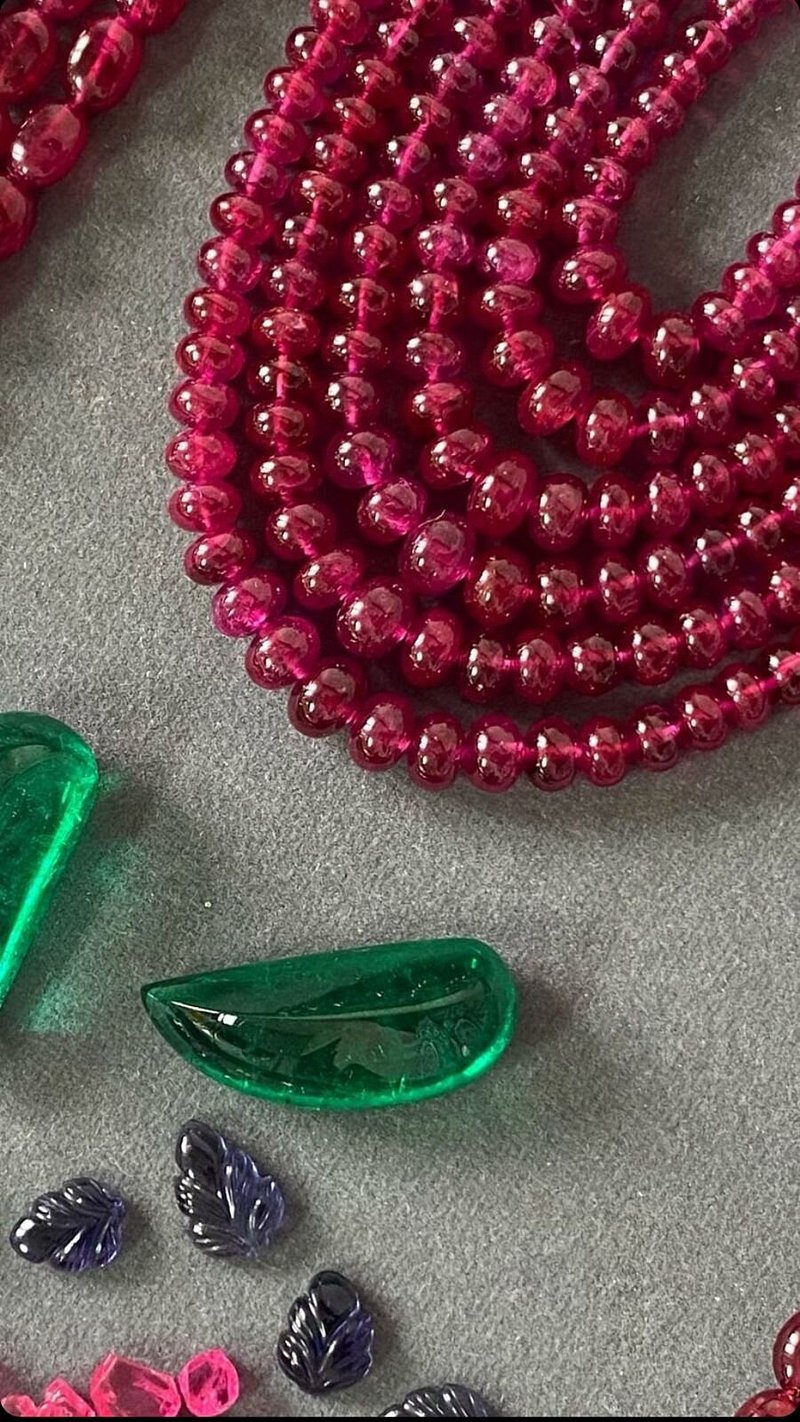
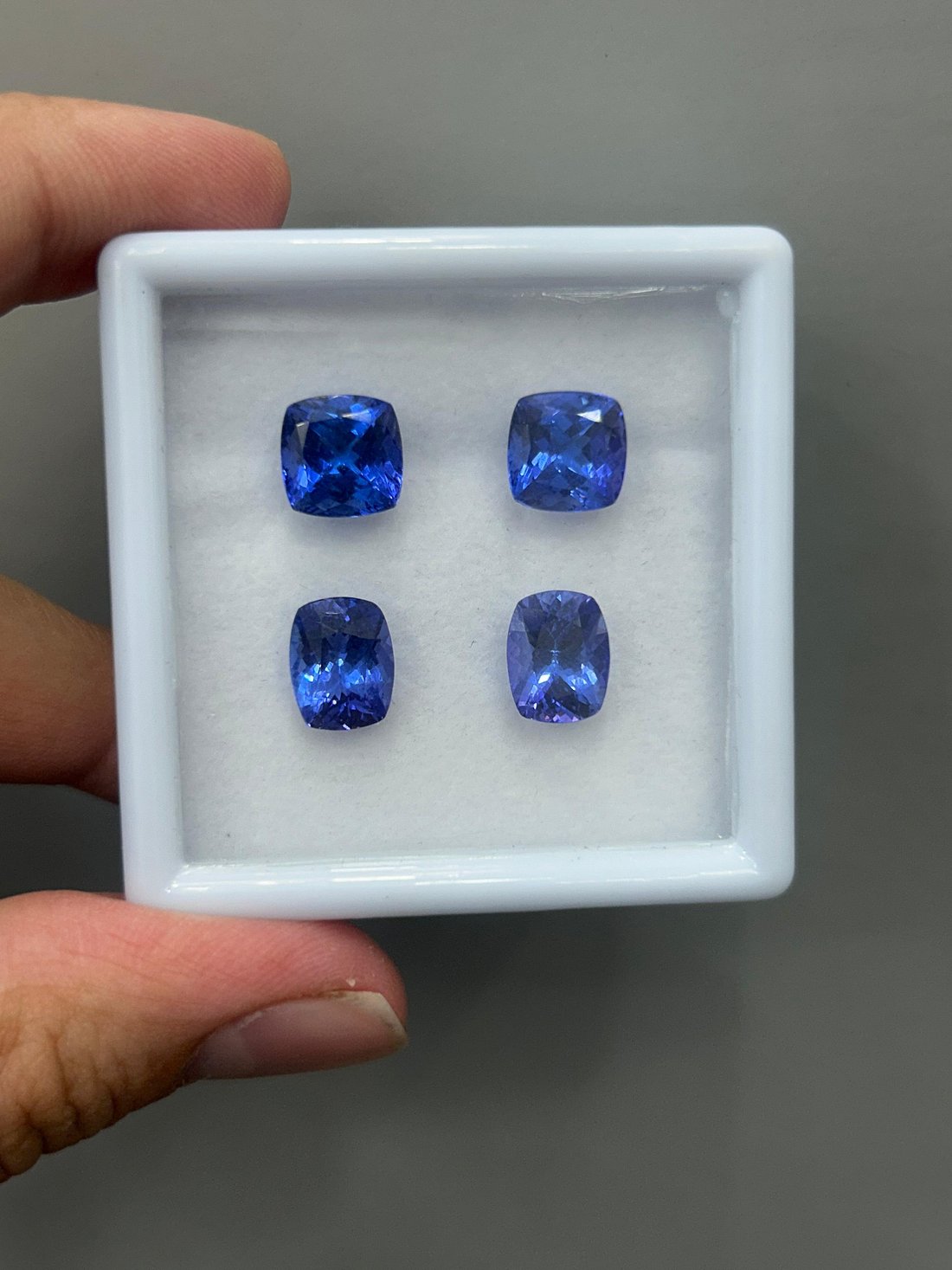
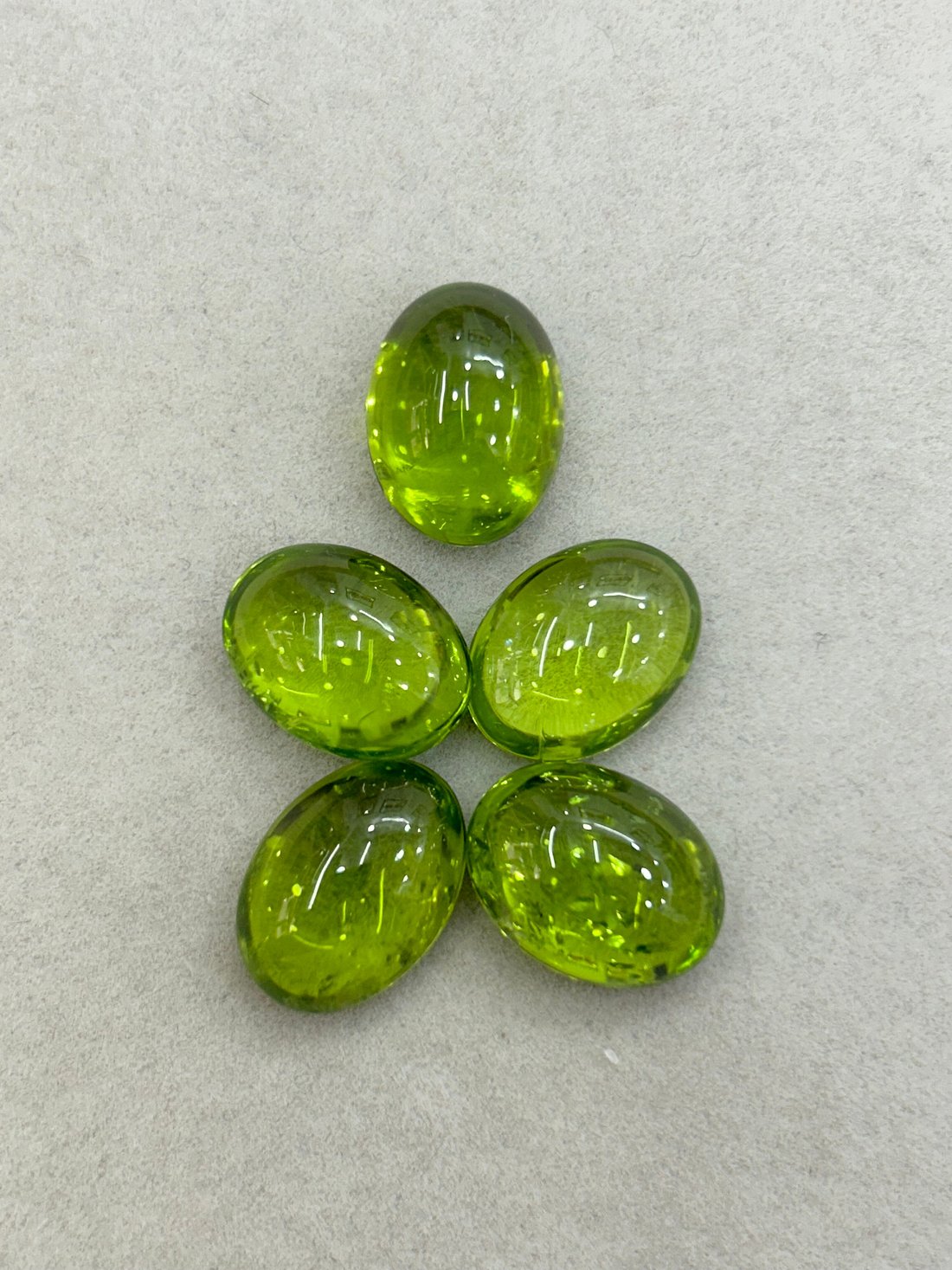
What can you judge from a gemstone photograph, and what still needs evidence? A beautiful image can help you find a piece you love, but it leaves some buying questions open. Before ordering, separate what the image shows from what the seller has stated and what independent evidence supports.
GIA’s photography guidance explains that lighting, background and reflected light affect appearance. Diffused light and direct light can reveal different features, while mixed light colours complicate colour balance. A carefully produced photograph may be attractive and honest while still representing only one viewing setup. GIA gem photography
First, confirm what is being pictured
Ask whether the listing shows the exact item you would receive. If it shows a representative example, ask what can vary and how your item will be selected. For a one-off stone, request its dimensions and identifying description alongside the images.
Keep the listing text with the photographs in your comparison notes. A dramatic close-up can be useful, but it should not leave you guessing about the size of the jewellery. Our carats and millimetres guide gives you a practical way to keep scale separate from visual impact.
Request a useful second view
Tell the seller what you are trying to understand rather than simply asking for “more photos.” You might request a face-up view, a side view to understand depth, or a short uncut video that shows the stone moving in a stated lighting setup. Ask whether colour adjustments were used and what the seller believes the images reproduce well or poorly.
Use these views to judge appearance. Even a detailed video should not be used to decide natural versus synthetic origin or to rule out treatments. Those questions belong in the treatment disclosure conversation and, where appropriate, laboratory evidence.

Read the text for missing information
A useful listing should leave you able to ask specific follow-up questions. What is the material? What treatment is disclosed? Which statements come from a report? What do the quality labels mean? If the answer is buried across several pages, ask for a concise written description of this item.
Imagine a listing whose headline says “premium” but provides no explanation. Your next step is to ask what that word describes, rather than assume the image proves the claim. The quality buying guide offers a question set for exactly this situation.
Decide your acceptance conditions before purchase
Write down what you need to feel comfortable ordering. That may include a clear item description, satisfactory answers to your remaining questions and return terms you understand. Read the actual policy: the time window, exclusions, return method and any charges. Do not infer them from a reassuring badge.
The online purchase-record guide adds checks for the seller, delivery promise and return route before you pay.
When the item arrives, compare it with the saved description within the available review period. If something does not match, contact the seller before altering, resizing or attempting tests. The goal is a fair, documented comparison, with a workable next step if the piece is different from what you expected.