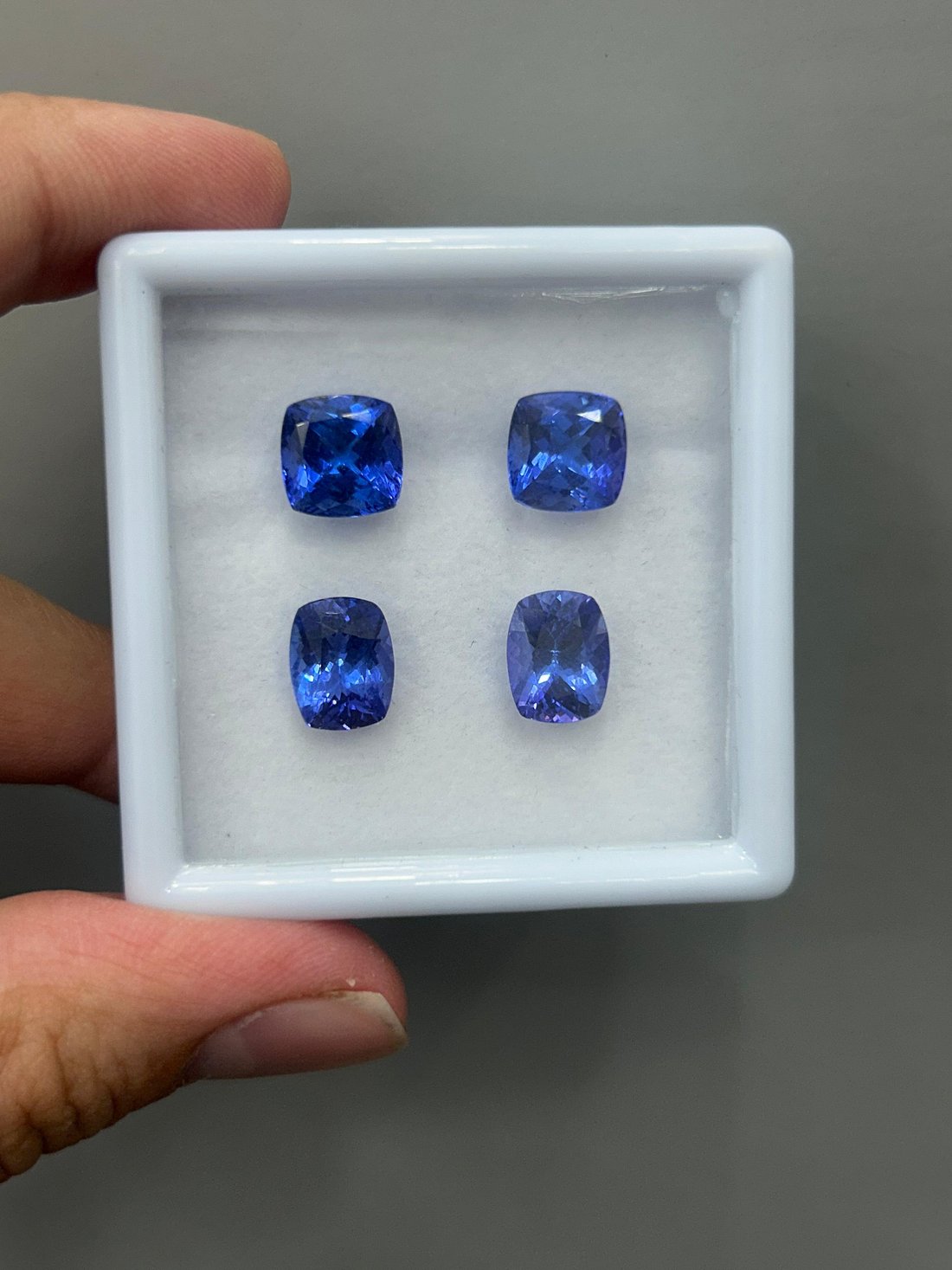
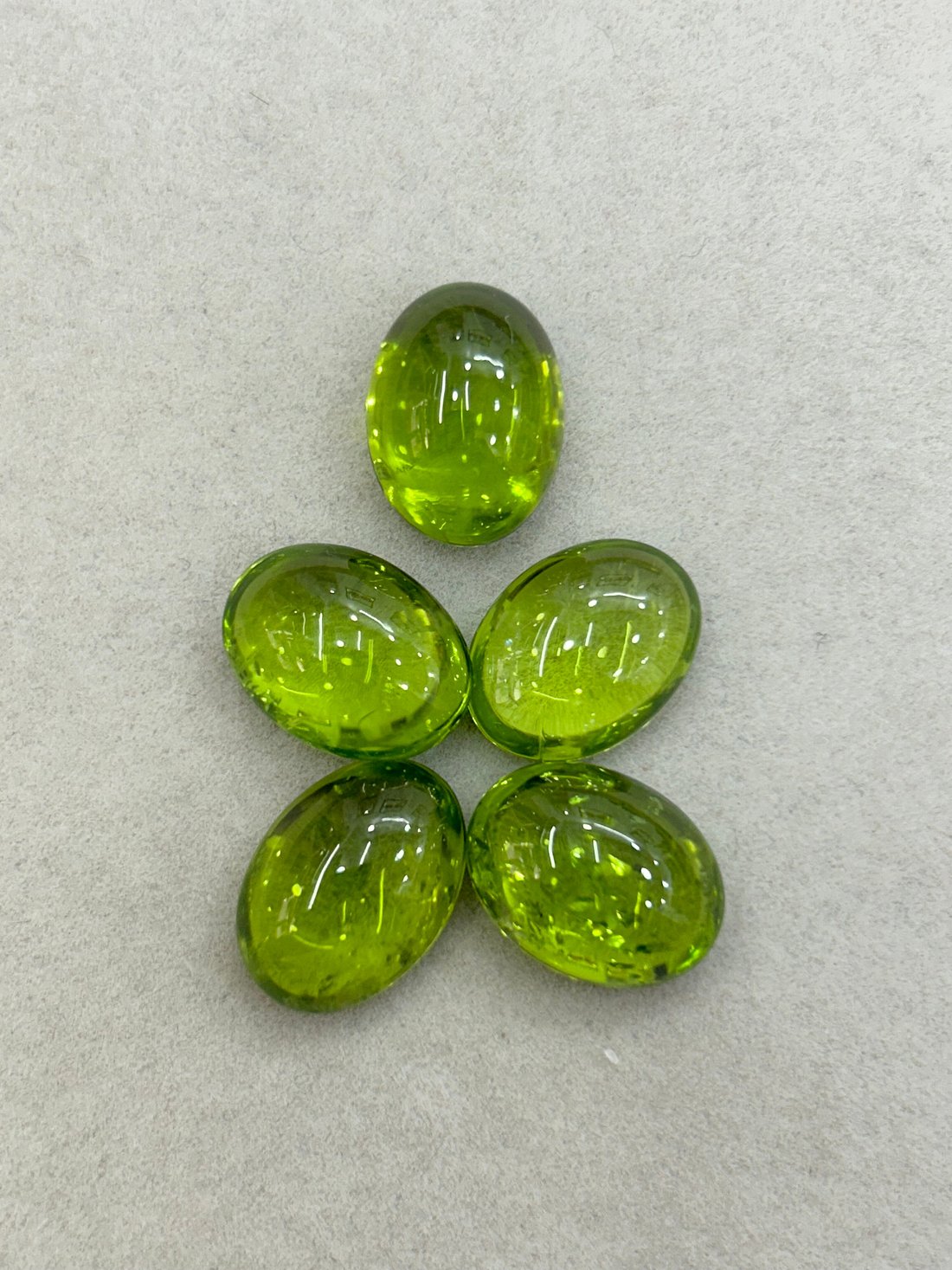
Choosing rose quartz: clarify the pink material and appearance
Distinguish the chosen pink quartz material and visual effect before planning the jewellery.
In this article
Are you choosing a soft pink or a clearer appearance?
Suppose you are considering a pink quartz pendant. One proposal looks softly diffused; another looks clearer. Describe which appearance you prefer, then ask the seller to identify the exact material. If you are choosing a display specimen instead, say so before discussing the proposal.
The familiar rose quartz
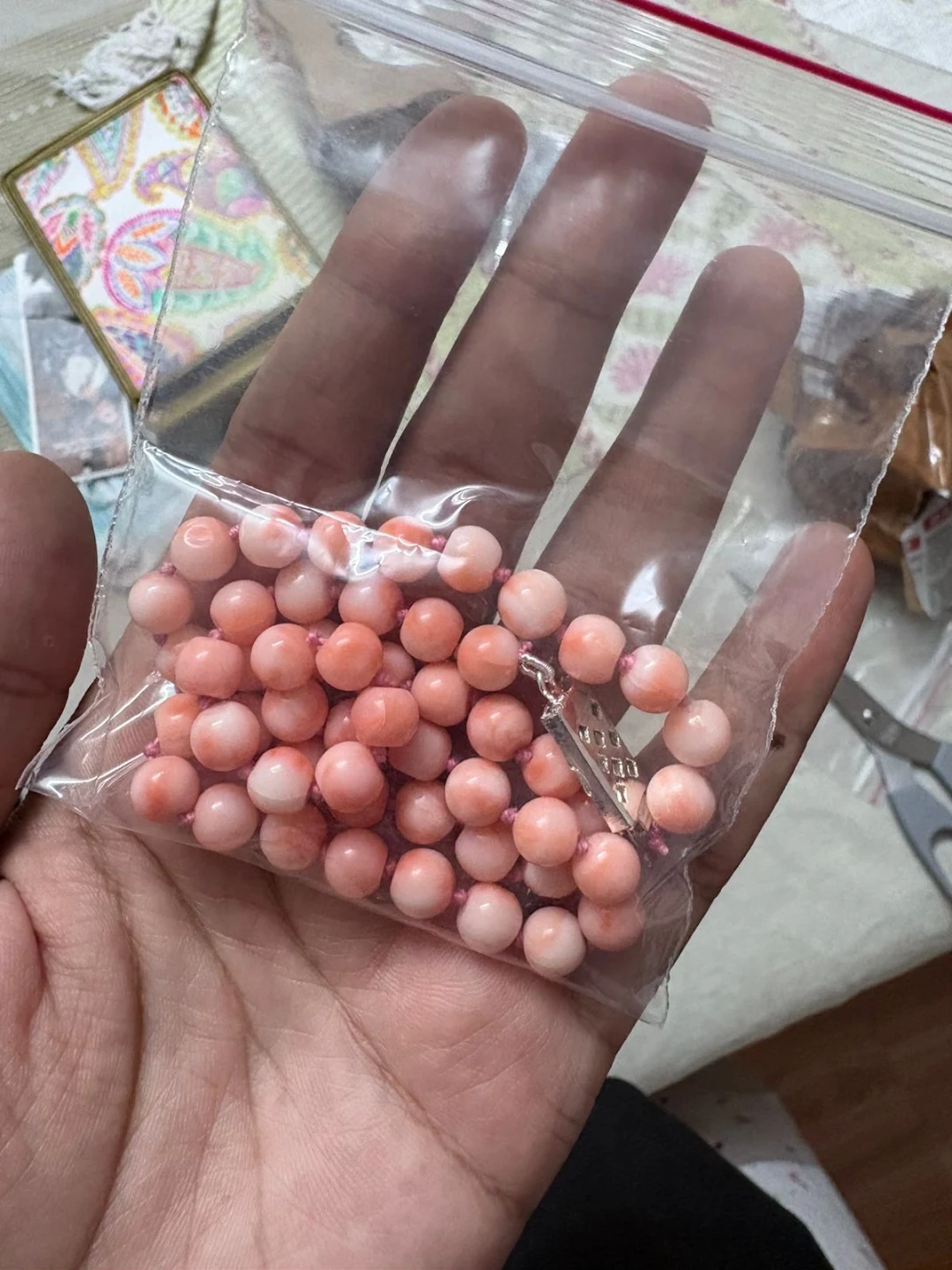
Rose quartz is a pink quartz variety, usually translucent and commonly found as masses rather than well-formed crystals. Its shades range from very light to deeper pink. Larger fashioned gems often show stronger colour. Its Mohs hardness of 7 rates scratch resistance. GIA: rose quartz
A distinction worth asking about
Microscopic mineral fibres contribute to typical rose quartz’s colour and cloudy appearance. Rare transparent crystalline pink quartz can have a different colour mechanism. Some of that crystalline material can fade in natural light. A seller’s broad pink-quartz name should therefore be clarified before extending general colour-stability advice to a particular specimen. GIA: rose quartz description
Choose your visual brief before the format
Ask to compare the exact candidates under consistent conditions. Write down which appearance you prefer and which view you would like the finished pendant to show. The colour and lighting guide provides a way to organise the comparison. You might choose a specimen for display rather than jewellery, or jewellery rather than a specimen; ask for a proposal that reflects the purpose you actually have.

Cut can reveal different effects
Rose quartz can be made into beads, carvings, faceted stones and cabochons, which are smooth domed cuts. Properly oriented inclusions can produce a six-rayed star on a cabochon. A well-defined star adds interest, while more transparent material is often faceted. These are different appearances to compare deliberately. GIA: rose quartz quality factors
Review the effect rather than the promise
If a star is part of the description, ask to see how it appears on the actual stone as it moves. If a carving interests you, request views of the whole form and the parts the mounting will cover. Keep those preferences in the design brief. Our quality buying guide helps separate what you can observe from what needs independent assessment. Do not try scratching or breaking a specimen to investigate an uncertain label.
Treatment and evidence need separate answers
Rose quartz is sometimes irradiated to intensify colour. GIA evaluates identity and detectable treatments but does not provide a rose quartz quality grade. Even colour is generally desirable. Ask for a clear description of the individual material instead of assuming that a quality adjective resolves identity or treatment. GIA: buyers guide
Make uncertainty part of the record
Ask what has been established, by whom and for which exact stone. Leave unresolved answers visible in your shortlist. Our laboratory report guide helps you prepare a more precise enquiry. If you are commissioning a piece, agree on the dimensions and intended appearance before approving the design. A clear record is especially useful when the proposal combines a material name with a particular optical effect.
A gentle cleaning default
Typical rose quartz is generally stable under light and heat. GIA recommends warm, soapy water for cleaning and advises against ultrasonic and steam cleaners. Ask the jeweller to apply that guidance to the complete piece and to confirm any material-specific exception. GIA: rose quartz care cleaning
Close the loop with aftercare
Keep the actual material description and instructions together, especially if the piece includes other components. The mixed-gemstone cleaning plan can help you organise the handover. Revisit the softly diffused or clearer appearance you originally preferred. Resolve the identity and care questions before approving the piece.