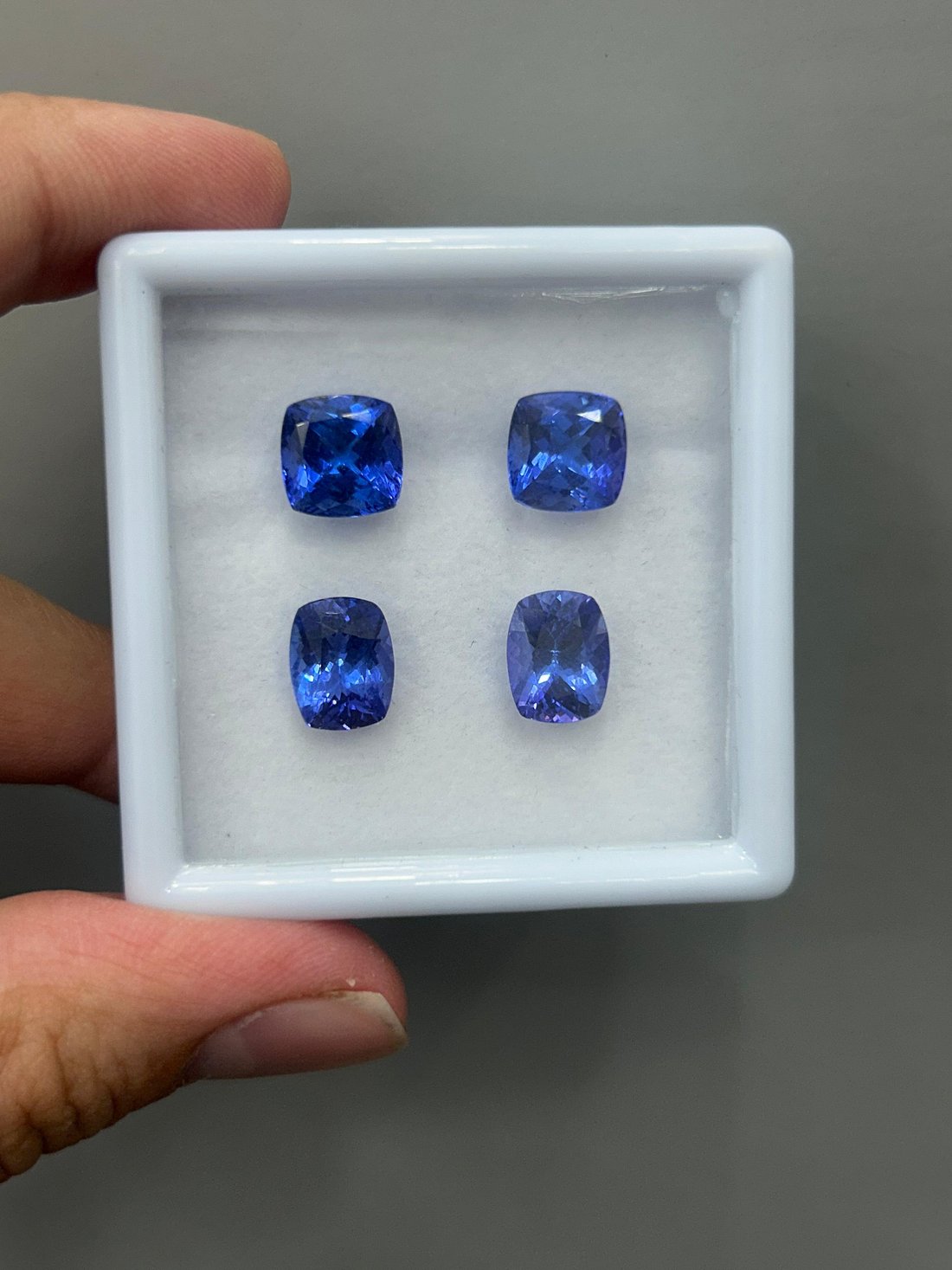
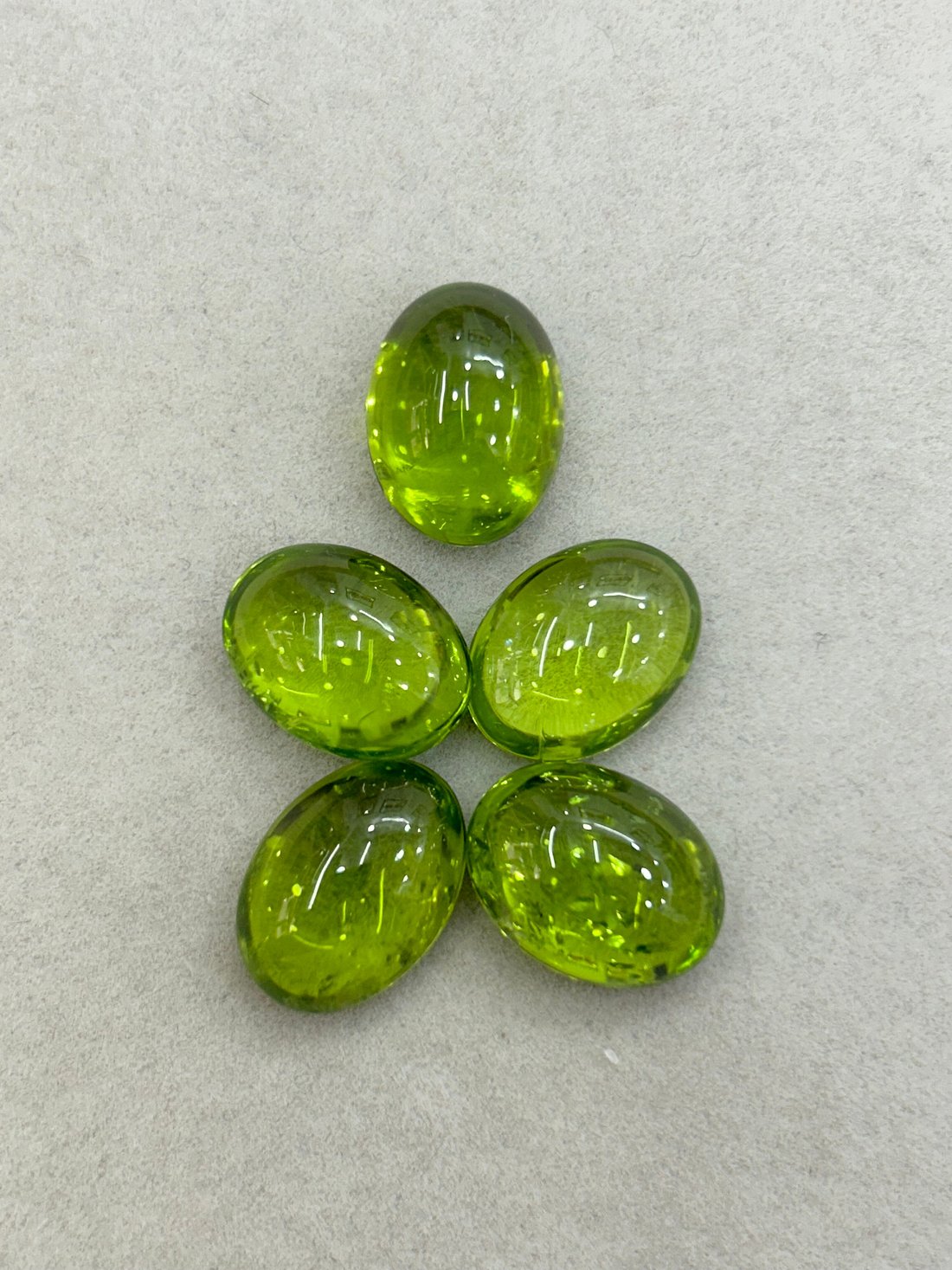
A cautious cleaning plan for mixed-gemstone jewellery
Build a conservative piece-specific cleaning plan and recognize when to pause for professional assessment.
In this article
How should you clean jewellery that contains more than one gem? Wait until you know which method suits every part of the piece.
Know the piece before using liquid
IGS recommends identifying the gems before choosing a cleaning method. Their inclusions, treatments and sensitivities can affect the choice. Mild detergent, water and a soft brush suit many pieces, but that is conditional advice rather than permission to immerse every gem. International Gem Society
Gem-A specifically cautions against immersing bead strings and closed-back settings. Some solvents can also remove dyes or fracture fillers. A stone’s name therefore cannot settle whether the complete piece should be soaked or exposed to a cleaning fluid. Gem-A
Ultrasonic cleaning can disturb filling oils, and vibration may dislodge a loose stone. Steam and boiling introduce temperature risks. Internal fractures and other individual features can matter even when they are not obvious. Leave these methods for a professional assessment rather than trying them on an unidentified piece. International Gem Society

Check the whole piece and the work area
IGI advises checking prongs and other contact areas and protecting the work surface. Loose small stones can be shaken out during ultrasonic cleaning. A protected surface and guarded drain reduce avoidable loss; they do not make an unsuitable cleaning method safe. International Gemological Institute
Ask for instructions covering each gem, disclosed treatments, the metal, any plating or adhesives, and the setting. If a component is unknown, tell the jeweller rather than borrow a routine for a similar-looking piece.
For an inherited bracelet, first gather its description, any laboratory report and any repair record you have. Take a clear photograph for your own reference. If a clasp looks different from an old photograph or a stone appears to move, pause and ask a jeweller to inspect it before cleaning.
Make a short care note with three parts: what is known about the materials, the method approved for this particular piece and the situations in which you should stop. Keep a missing answer visibly blank. Filling that blank with a familiar internet recipe defeats the purpose of the note.
When a gentle wash is appropriate
When the piece has been confirmed suitable for a mild wash, IGS recommends soft tools and avoiding abrupt temperature changes. Clean gently rather than forcing debris from a difficult setting. A gemologist or jeweller can help choose a suitable method when the piece’s condition makes that uncertain. International Gem Society
IGI’s pearl-care discussion warns against exposing pearls to sanitizer and unsuitable chemicals. For jewellery combining pearls with another stone or metal, that sensitivity belongs in the plan. Do not assume a product suitable for one component is suitable for all of them. International Gemological Institute
A sensible stopping point
Suppose a brooch still has dirt in a narrow recess after the approved gentle method. The next move need not be a stronger chemical, sharper tool or longer soak. You can stop, explain what you tried and ask for help with that specific area. That is a completed decision, not a failed cleaning attempt.
Use durability planning to understand the kinds of risk, treatment questions to collect missing information and the report guide to organize evidence. The pearl guide is a useful companion when that material is part of your piece.
Before putting the jewellery away, update the care note if you learned something new. A clear plan for next time is more useful than remembering that a particular cleaner once seemed to work.