Hardness, toughness and stability: planning for real wear
Connect scratch, impact and exposure risks to realistic jewellery use and setting choices.
In this article
Will this gem suit the way you plan to wear it? Start with an ordinary week in your life. Think about where you would wear the piece, when you would remove it and how willing you are to maintain it. That gives the technical information a practical job to do.
Three different kinds of resistance
Hardness means resistance to scratching. Toughness concerns resistance to breaking. Stability concerns damage from chemicals, heat and strong light. These properties answer different questions; a high hardness figure does not describe the whole durability of a piece. Gem-A
The Mohs scale ranks scratch resistance. It does not predict every chip or fracture. Cleavage describes directions along which a crystal can split, and impact risk also depends on its surroundings and setting. Wearability therefore needs more than one number. International Gem Society
Diamond illustrates the distinction: it has very high scratch resistance but can chip when a blow acts on a vulnerable direction. Jewellery construction matters too. A protected edge and sound setting can influence how a piece handles everyday contact. International Gemological Institute

Three kinds of resistance
Ask about the complete piece and intended wear.
- Hardness
- Resistance to scratching
- Toughness
- Resistance to breaking
- Stability
- Heat, chemicals and strong light
Diagram text
Hardness: Resistance to scratching. Toughness: Resistance to breaking. Stability: Heat, chemicals and strong light.
Exposure is part of the plan
Some dyes can fade under light or lose colour when wet. This concerns stability rather than hardness. Treatment information therefore belongs in a wear plan, alongside the material’s other properties. Gem-A
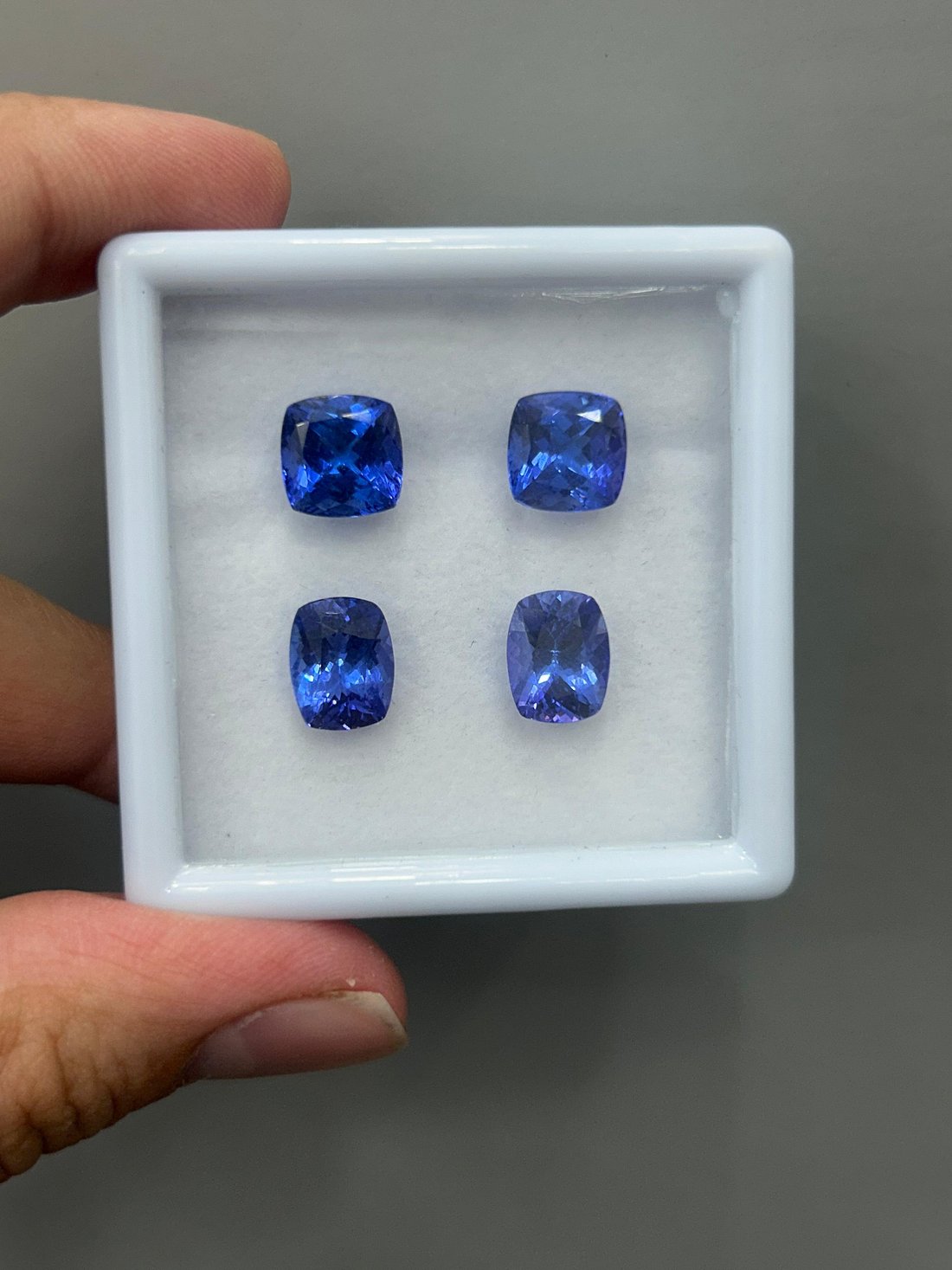
Kunzite needs caution with sunlight and cleavage, and tanzanite is sensitive to heat and vibration. Such examples show why a single broad cleaning or wear rule is unhelpful. The condition of the actual stone remains important. International Gem Society
Even quiet handling can involve abrasion. Dust may contain quartz particles capable of scratching softer materials. This is a reason to consider the cleanliness of the storage and cleaning materials, rather than treating a gem’s surface as something that can always be rubbed without consequence. International Gem Society
Describe the wear you expect
For a ring you plan to wear at work, write down when your hands meet desks, tools, bags and cleaning products. You do not need a complicated score. A few honest notes can reveal whether you want something you will remember to remove or whether frequent removal would become frustrating.
Now consider a pendant chosen for occasional family gatherings. Your plan may be very different: a brief period of wear, a deliberate place to store it afterwards and time to check the clasp. The comparison is not a claim that any particular pendant is risk-free. It is a way to explain your intended use to a jeweller.
Ask how the proposed setting addresses the gem’s risks and what inspections the piece will need. You could decide that the design is worth a more careful routine, or choose a different design that better fits your habits. Make the decision about the complete piece, rather than feeling obliged to defend a favourite colour.
Use the information together
Review treatment disclosure, the cleaning plan and cut and shape choices as parts of the same discussion. The individual moonstone guide is another place to turn when comparing a specific gem rather than broad categories.
A useful final question is “What would I need to do differently to enjoy this piece?” If the answer fits your real routine, you have a plan. If it depends on habits you know you will not keep, reconsider the use or design before committing.