Carved hardstones: appreciate the pattern and clarify the material
Learn what hardstone means in carved jewellery, how to appreciate pattern and workmanship, and which material and care questions remain.
In this article
Does “hardstone carving” tell you what a piece is made from or how it will wear? Ask for the actual material description before using the label to make those decisions. You can still appreciate the carving’s pattern and design while keeping uncertain identity details visible.
A broad name needs a specific description
Gem-A describes hardstone as a broad decorative-arts term used for materials including chalcedony, lapis lazuli, marble and malachite. It does not mean every example has high scratch resistance. The term may also appear when identification is uncertain or access to small inlaid parts limits examination. Ask what it means in this particular description. Gem-A on hardstones
Request the material name, the basis for it and any disclosed treatment. For an inlaid piece, ask whether the description applies to every coloured part or only to the main material. If the seller cannot identify a section, have them leave it described as uncertain rather than assigning it a convenient name.
Look at how the design uses the stone
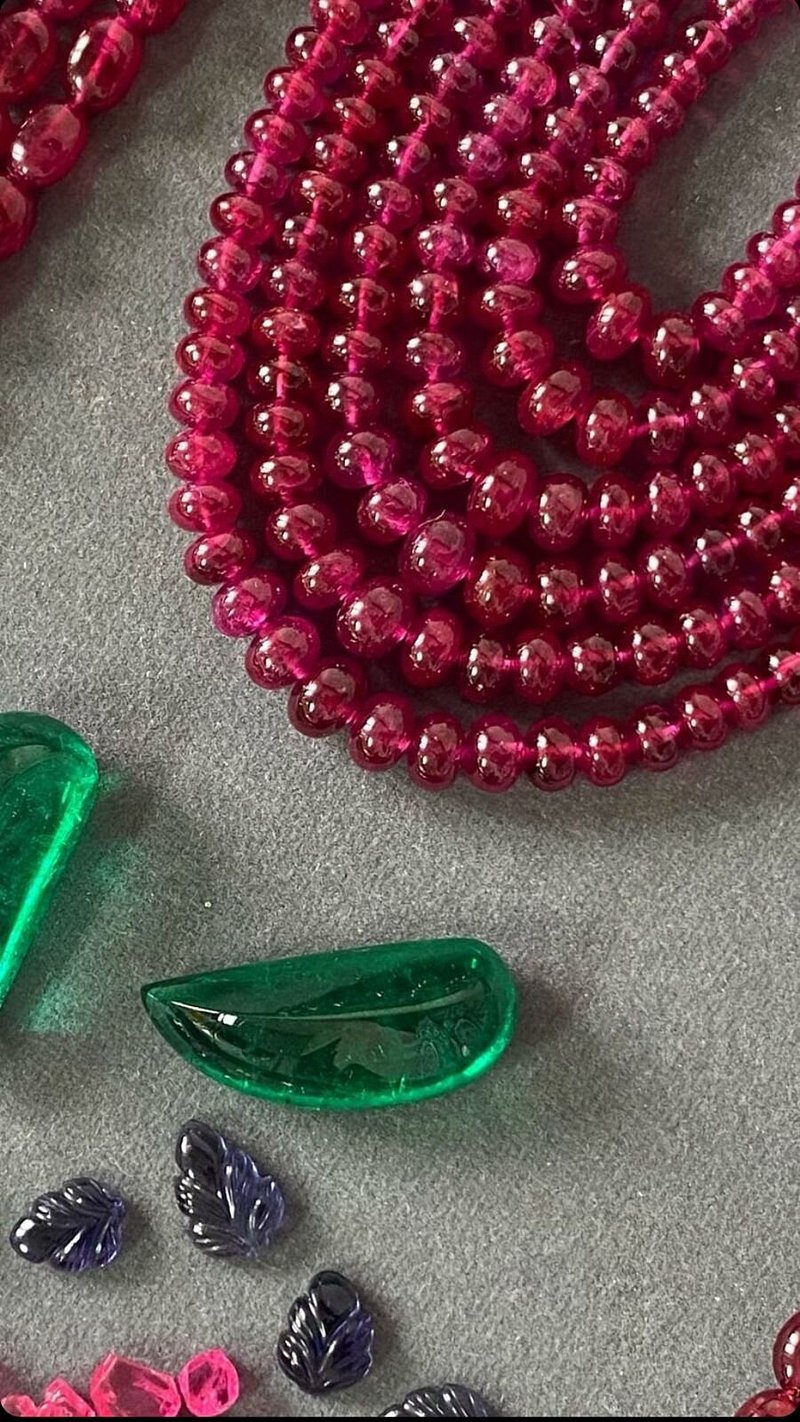
Choose the detail that first attracted you: a band crossing the design, a carved face, or the arrangement of colours. Ask for a view that shows that detail without dramatic lighting. Then request the other side and a scale reference. These are ways to examine workmanship and the offered appearance, rather than to prove the material’s identity.
For your own comparison, describe where the pattern helps the composition and where it distracts you. In a hypothetical carved pendant, a vein crossing the face may feel expressive to one buyer and inconvenient to another. Neither preference needs to be turned into a scientific grade.
Distinguish shape from workmanship
A cameo has a design carved in relief, standing out from its background. An intaglio has a recessed design cut into the surface. Those names describe the carving approach. Ask separately about material, condition and any repairs. GIA’s cameo and intaglio explanation
Have the seller show edges, projecting details and any joining points you are concerned about. For a valuable or old carving, request examination by someone experienced with that kind of object before agreeing to restoration or remounting. Keep a condition description beside the material description.

Relief and recess
Original cross-sections; material is a separate question.
- Cameo
- Raised relief
- Intaglio
- Recessed design
Diagram text
Cameo: Raised relief. Intaglio: Recessed design.
Let the identified material guide care
IGS lists different care methods for different materials; its guidance for malachite, for example, uses cool water rather than a general hot-cleaning routine. That entry is specific to malachite. Do not transfer a procedure from one “hardstone” to another. IGS care guide
For a mixed or partly unidentified piece, ask the maker or examiner for a method that covers the whole construction before using liquids or equipment. Record which parts remain uncertain. Our durability guide explains the relevant questions, and the mixed-jewellery cleaning plan helps organise the answer.
A useful purchase description lets you enjoy the art without letting a broad label make promises it cannot support.