Choosing topaz: compare colour categories and plan protection
Compare colour varieties and disclosed treatments without mistaking hardness for resistance to blows.
In this article
Which colour fits your plans and budget?
Imagine a large blue topaz centrepiece and a smaller warm-coloured stone. Write down which appearance suits the piece you want, then compare each quotation with your budget. Ask what the price includes. That is a more useful starting point than declaring either proposal a bargain from size alone.
Topaz has a broad palette
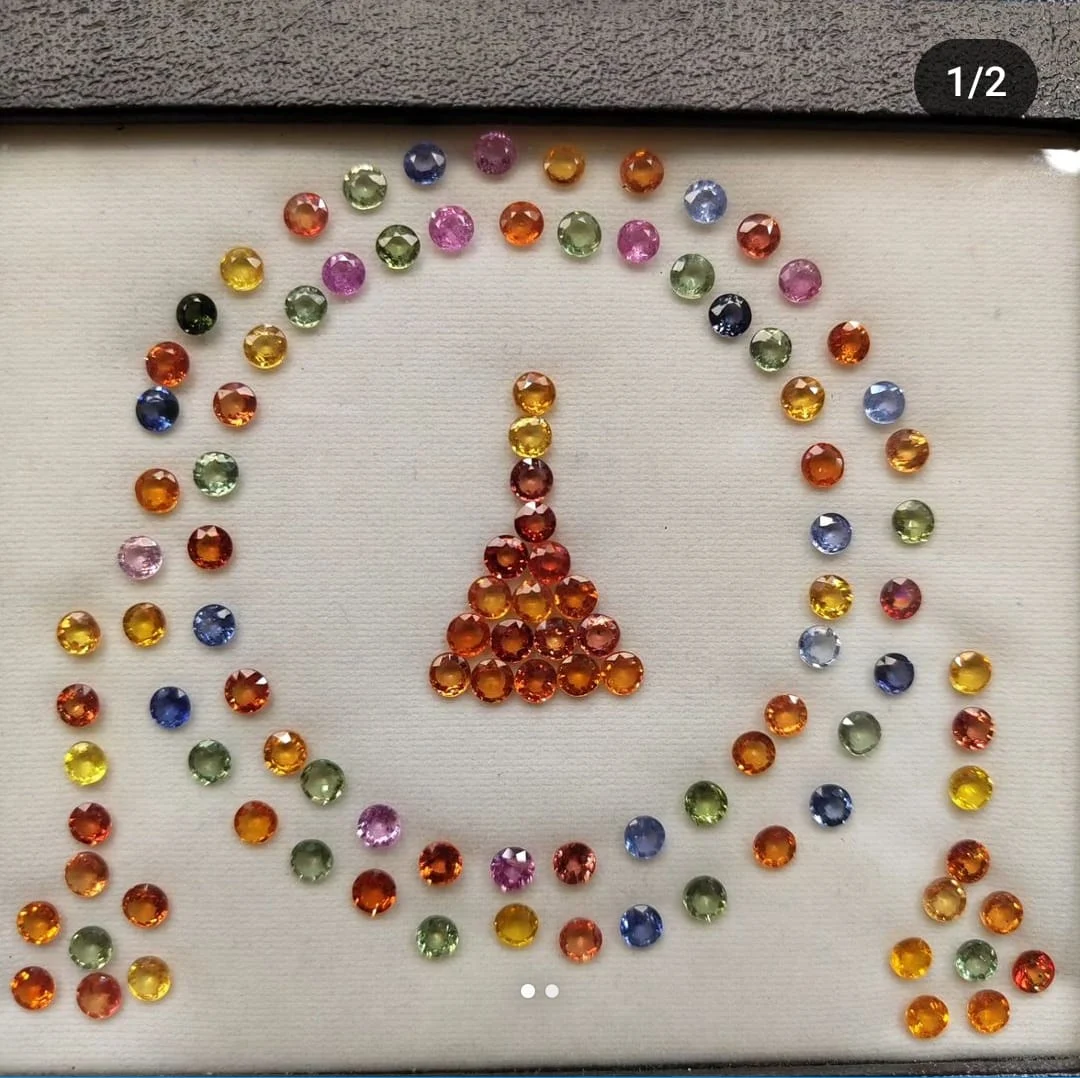
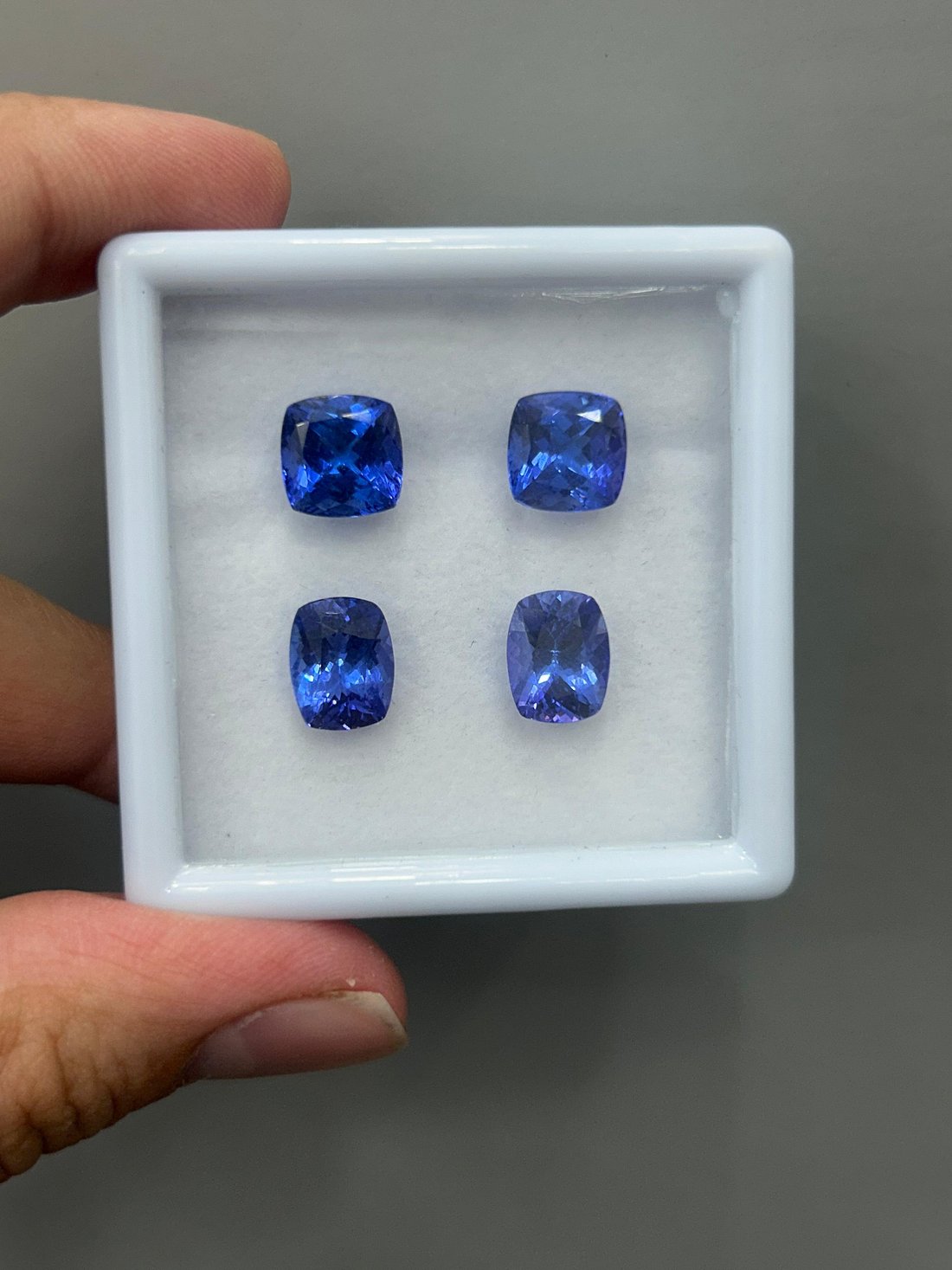
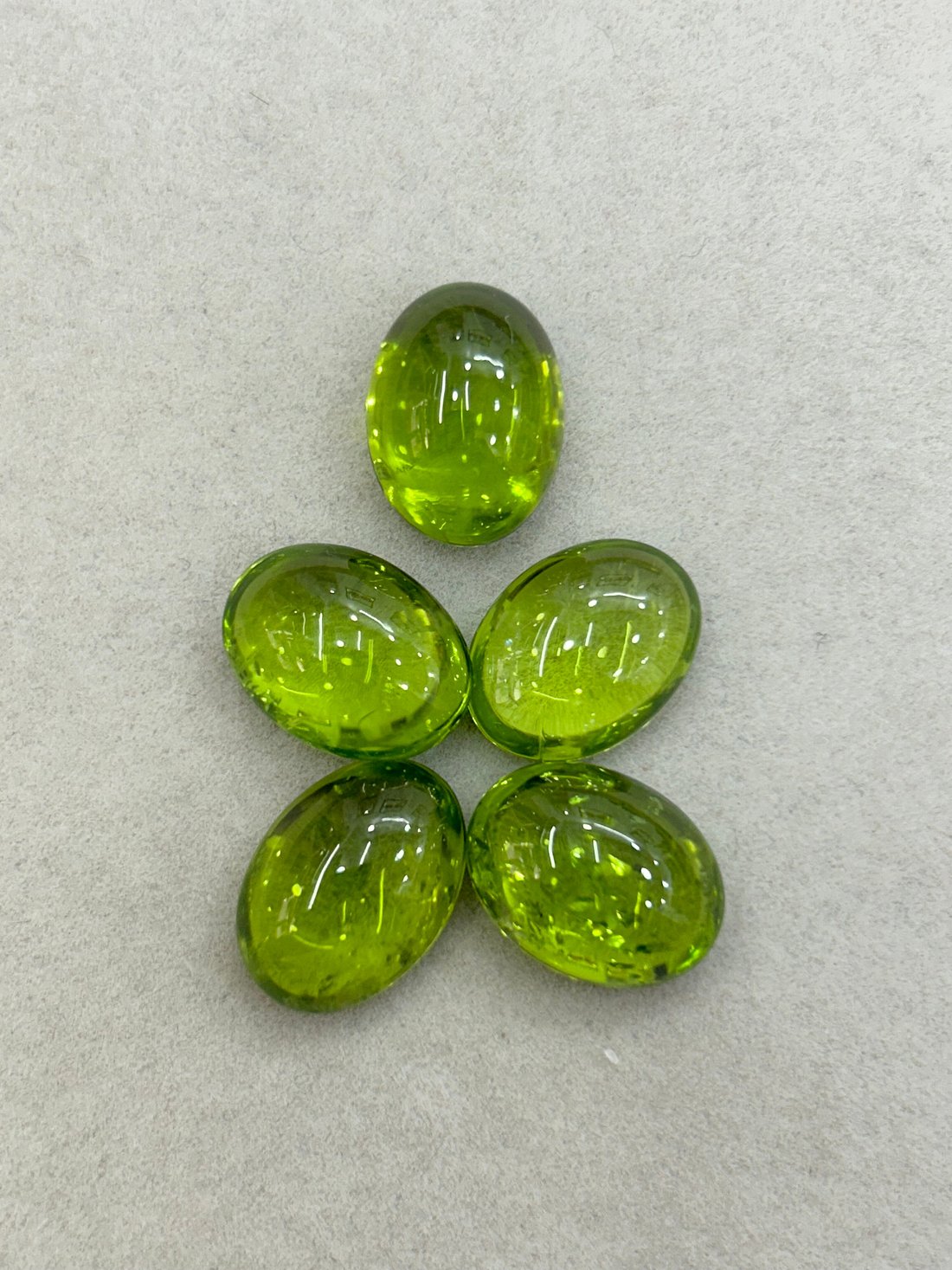
Topaz can be colourless, blue, brown, yellow, orange, pink, red or purple. Impurities and structural defects contribute colour; chromium produces some natural pink, red and purple shades. Its appearance can vary with crystal direction. Blue material in the market is almost always treated, while “smoky topaz” may misleadingly refer to quartz. GIA: topaz description

Keep treatment in the description
Ask the seller to state the treatment information for the exact stone offered. If the answer changes between the listing, quotation and purchase record, request clarification. The treatment disclosure guide helps you frame that conversation. Avoid making your preference depend on a story that the seller cannot document, and do not assume a familiar colour name says how the appearance was produced.
Compare within the colour category
Rare red and Imperial colours differ substantially from widely available blue topaz. Irradiation and heating create most strong blue hues. Many cut stones have few visible inclusions, features inside the gem, and elongated crystals often lead to oval or pear cuts. Other standard and designer cuts also exist. Colour, clarity and cut belong in the comparison together. GIA: topaz quality factor
Ask what Imperial means here
There is no official standard definition of Imperial topaz. Sellers differ in which colours they include. The actual colour determines appeal and value more directly than the term alone. Blue topaz generally changes little in per-carat price with increasing size; the relationship is different for rare Imperial material. GIA: buyers guide
Make the size proposal understandable
Request dimensions and a clear description of the profile. For a hypothetical pendant, sketch the outline at the stated size and decide whether it answers your original brief. Use the carat and millimetre guide to organise that comparison. Then ask the maker to explain the intended proportions of the finished piece. Use the drawing to ask questions, then review the actual stone.
Plan for the weak direction
Topaz rates 8 for scratch resistance on the Mohs scale, but has poor resistance to breakage because it can split along cleavage planes. Knocks, pressure, high heat and sharp temperature changes can break it. Some yellow-to-brown and reddish-brown colours can fade with prolonged heat or sunlight. Coatings, including mystic-topaz coatings, can abrade. Use mild soapy water; GIA advises against steam and ultrasound. GIA: topaz care cleaning
Discuss protection with the jeweller
Tell the maker when you expect to wear the piece and ask how the setting addresses that plan. Use the durability guide to separate the questions you need answered. If a coating is part of the disclosure, ask for instructions that explicitly cover it. Keep complete-piece cleaning advice with the material description so that a later repair or cleaning appointment begins with the information already known.
Return to your original purpose
Before choosing, reread the colour brief, size proposal, treatment statement and unanswered questions. Our quality buying guide can help you decide which gap needs clarification. You may still prefer either the large blue stone or the smaller warm-coloured one. What matters is that you can explain the choice without relying on an undefined label or a comparison that mixes different categories.