How to choose a jewellery gift when style or size is uncertain
Choose a jewellery gift using the recipient’s preferences, fit questions and confirmed seller terms. Includes a practical uncertainty worksheet.
In this article
Start with what you know about the wearer. Before choosing a design, write down their preferred jewellery format, the scale they enjoy and any fit information you still need. A birthday, anniversary or festival can explain why you are giving the gift; it does not tell you what that person wants to wear.
GIA's surprise-gift guidance considers personal style and lifestyle, and suggests asking someone close to the recipient when you need help. Its examples are diamond-focused, but those preference questions can start a broader conversation. GIA's surprise jewellery gift guide
Separate observations from guesses
Use a short preference record. These are prompts for your own notes, rather than a way to predict someone's taste:
- Format: what do they choose to wear, and what have they said they avoid?
- Appearance: which colours, finishes, shapes and scale have they mentioned liking?
- Use: are you choosing for everyday wear, a particular outfit or occasional events?
- Meaning: would a personal symbol be welcome, or would they prefer an undecorated design?
- Fit: what measurements or attachment details have they confirmed?
Mark each answer as known, observed or still to ask. Someone wearing a small pendant once does not establish that they want every gift to be small. An explicit preference deserves more weight than your interpretation of a photograph.
Ask a simple question when it would remove an important guess: "Would you enjoy choosing a necklace together?" You can keep the occasion special without making the final piece a surprise.
Choose the format after checking the uncertainty
For a ring, establish the intended finger and the seller's sizing method. Use the ring measurement and fit guide before comparing sizes. Ask whether the particular design can be resized; leave that answer open until the seller confirms it.
For earrings, confirm whether the recipient wants a piercing or non-piercing attachment and how they prefer to wear the pair. The earring comfort guide helps organize questions about the actual earrings. For a necklace, check the desired wearing position and what the offer includes. A necklace-length comparison can help once you have the recipient's input.
If a fit question remains unanswered, consider choosing together or giving an invitation to choose a piece later. Do not treat a different jewellery format or the word "adjustable" as a promise that all uncertainty has disappeared.
Use one decision sheet
For each shortlisted idea, fill in this original worksheet:
| Question | Your answer | What happens next? |
|---|---|---|
| Which stated preference does it meet? | Known preference or an open question | Keep, ask or set aside |
| What fit information is needed? | Measurement or attachment detail | Obtain the answer before ordering |
| What makes it personal? | Your own reason | Check that the recipient would welcome it |
| What does the seller need to confirm? | Contents, terms or timing | Save the written response |
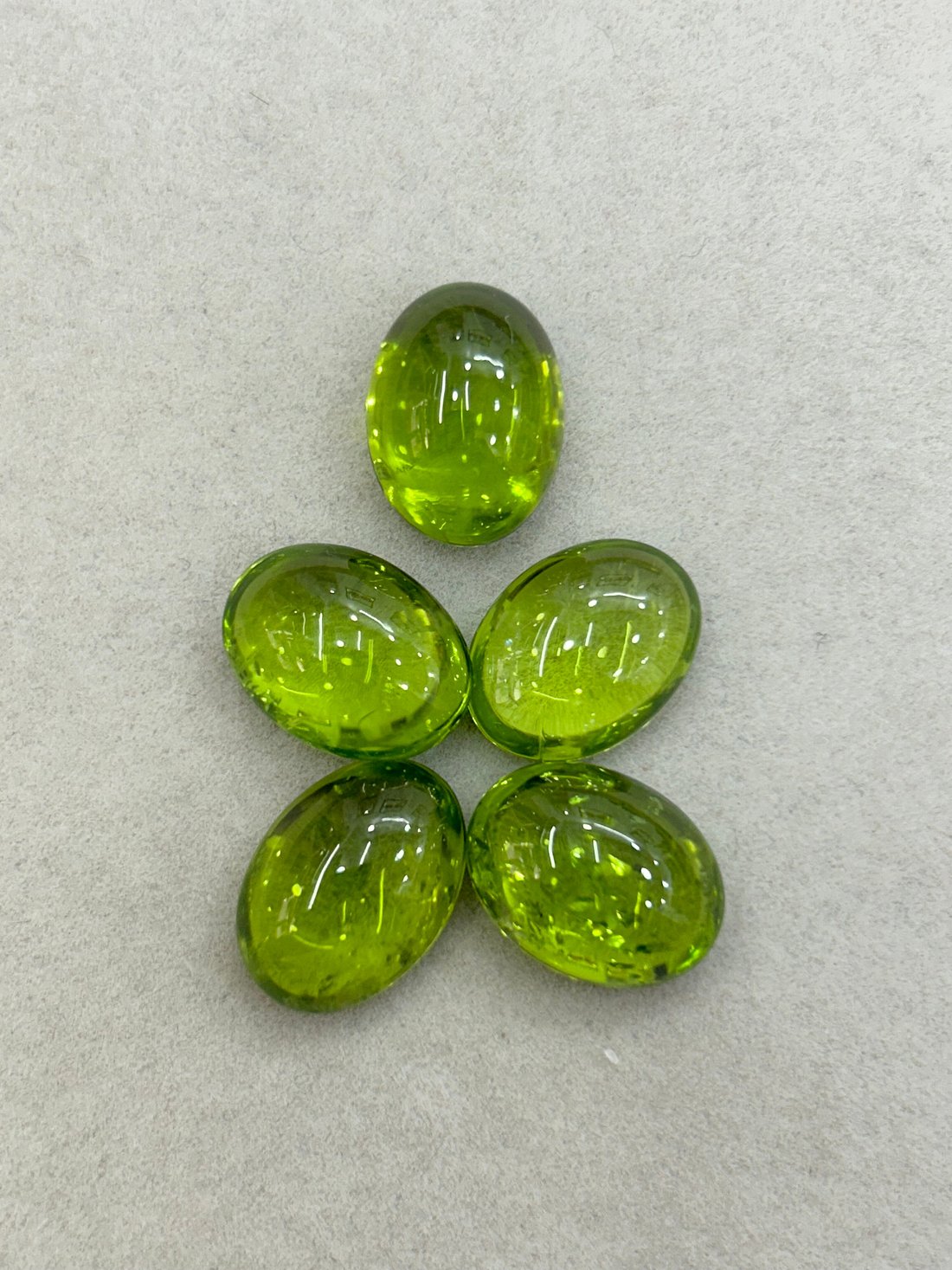
Imagine a hypothetical birthday gift for a friend who has said they like green pendants. You know the colour and format, but not the length they prefer. Your next step is to ask about the wearing position. Circle the first unanswered question on your sheet before comparing more designs.
Keep the occasion and purchase record clear
For a birthday, use the existing birthstone traditions guide if the recipient wants a month-based association. For a wedding anniversary, the anniversary-list guide helps you name the reference you have chosen. Festive examples should follow the recipient's preferences and the traditions they want to observe.
Before committing, ask the seller what is supplied, when it is expected to arrive and how an unwanted or unsuitable gift can be returned or exchanged. Ask separately about personalized items. Record the answers for this offer instead of assuming another seller's policy applies.
Once the piece is chosen, prepare its gift care card. Keep your personal note beside the factual description. The recipient should be able to understand both why you chose it and where to find the information about the actual piece.