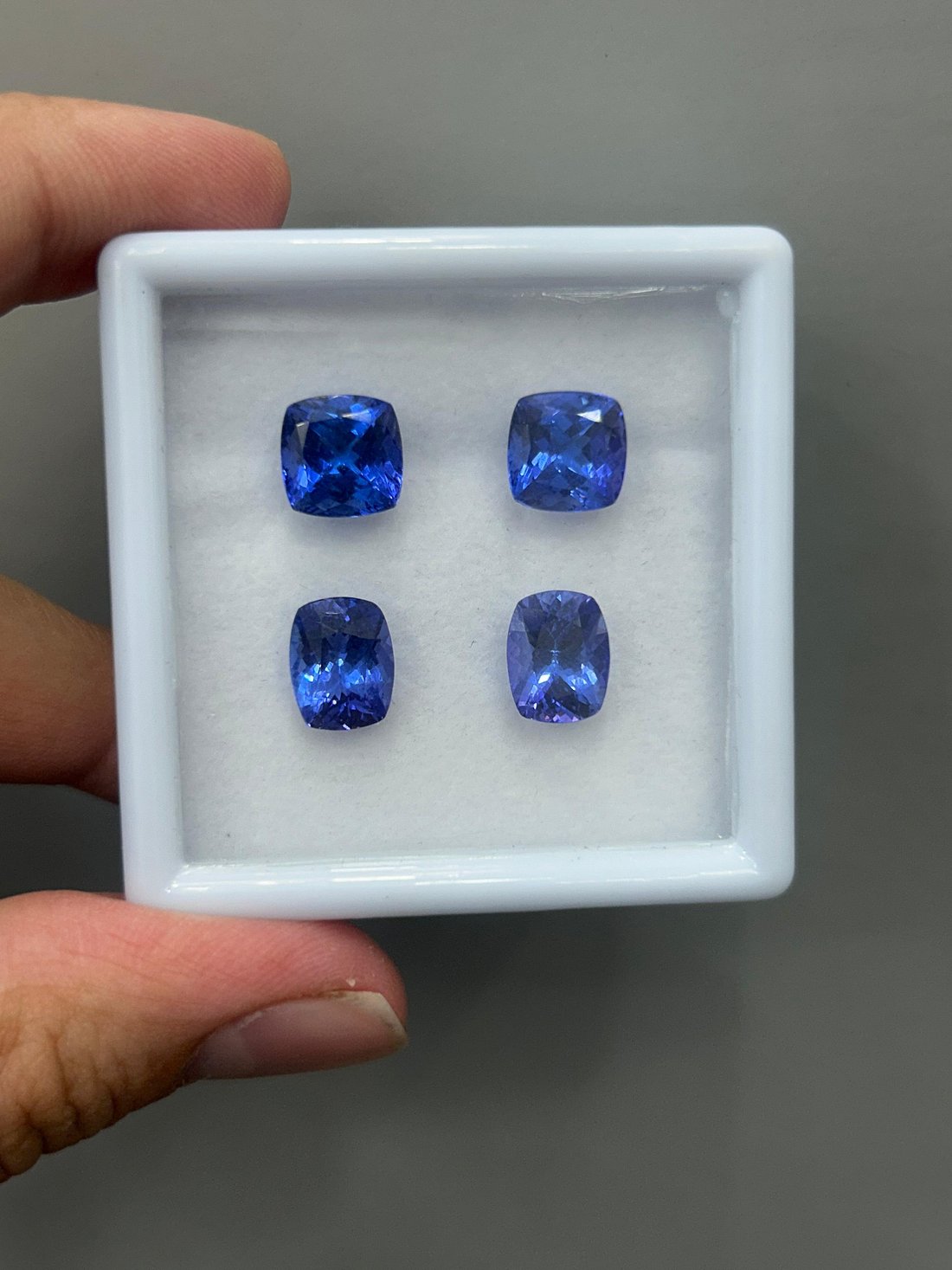
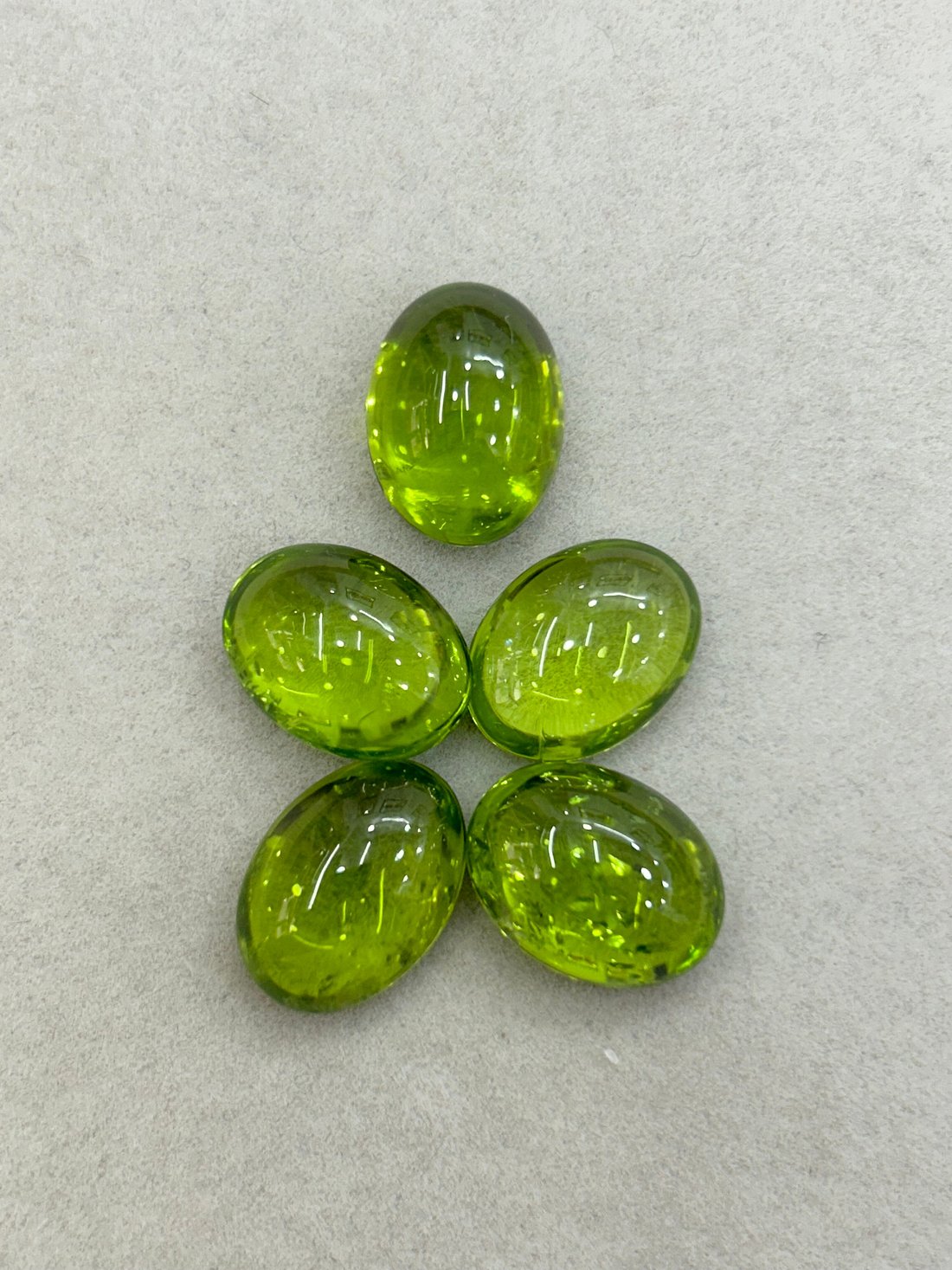
Choosing garnet: identify the variety before comparing the price
Avoid treating all garnets as the same material when comparing colour, inclusions, size and care.
In this article
Editorial draft. Sources checked 2 October 2026.
Make the name more specific
If you are comparing garnets, begin by asking whether you are looking at the same variety. The word garnet can sound like one straightforward category, but a useful shortlist needs more detail. Write the seller's full material description next to each item. This gives you a way to ask informed questions before interpreting differences in colour, size or price as evidence that one listing is simply better.
A family rather than one recipe
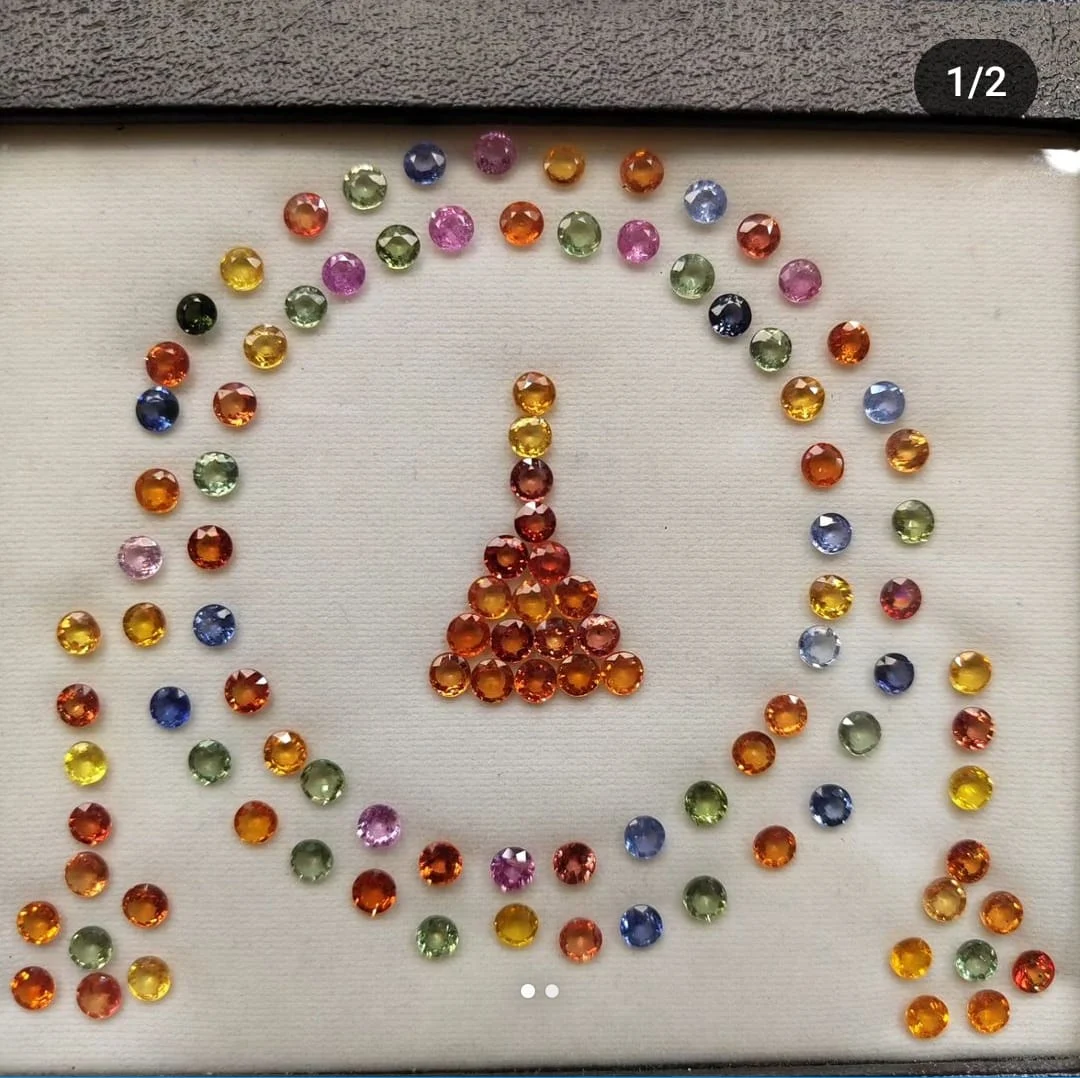
Garnet is a group of related minerals with different chemical compositions. Gem varieties include red pyrope and almandine, orange spessartine, green grossular tsavorite and green andradite demantoid. Many garnets are chemical mixtures of species, and some show colour change. The familiar red appearance is therefore only part of the range. GIA garnet description.

Compare within the right context
Typical clarity, including visible internal features called inclusions, differs across the group: red garnets are often free of visible inclusions, while some orange varieties commonly have them. Large fine tsavorites and demantoids are scarcer than large almandines. Tsavorite and demantoid are also different minerals despite overlapping green colours. A colour match alone does not establish an equivalent comparison. GIA garnet quality factors.
Build two kinds of shortlist
One shortlist can be aesthetic: the appearances you would enjoy in your design. Another can be comparative: stones of a clearly identified variety that you can examine side by side. You may eventually choose from either list, but keep the questions distinct. The quality-buying guide helps make the comparison concrete, and the colour-and-lighting guide helps you ask for consistent views.
Ask what the seller’s grade means
GIA notes that no universal garnet grading scale supports terms such as AAA. Colour, cut, clarity and size must be considered for the particular variety. For a significant purchase, independent identification can help confirm that the stone matches the seller's description. A reassuring grade label should not replace that explanation. GIA garnet buying guidance.
Use the report for the right question
If your concern is the garnet variety, ask where the document identifies that variety and how the seller connects it to the exact item. Request an explanation if the wording is unclear. Keep any mine story in a separate note. Read the laboratory-report guide to check the document's scope before using it in a price comparison. You can admire a colour while still asking for a precise material description.
Care is not identical across the family
Garnet hardness ranges from 6.5 to 7.5, with demantoid on the softer side. Resistance to breaking, called toughness, is fair to good. Avoid hard blows and rough wear. Warm water and soap are safe for cleaning the gem. Steam is not recommended; ultrasound is unsuitable for fractured stones, and rare fracture-filled examples require warm soapy water alone. GIA care.
Finish with the actual wearing plan
Tell the jeweller where and how often you intend to wear the piece. Ask for advice tied to the identified garnet variety and this stone's condition. Check the care of the setting, metal and any plating too. The real-wear durability guide helps prepare the discussion. Before buying, check your shortlist for any item whose material description is still less precise than the others. Request clarification so you can see which comparisons are meaningful and which are simply preferences between different gems.