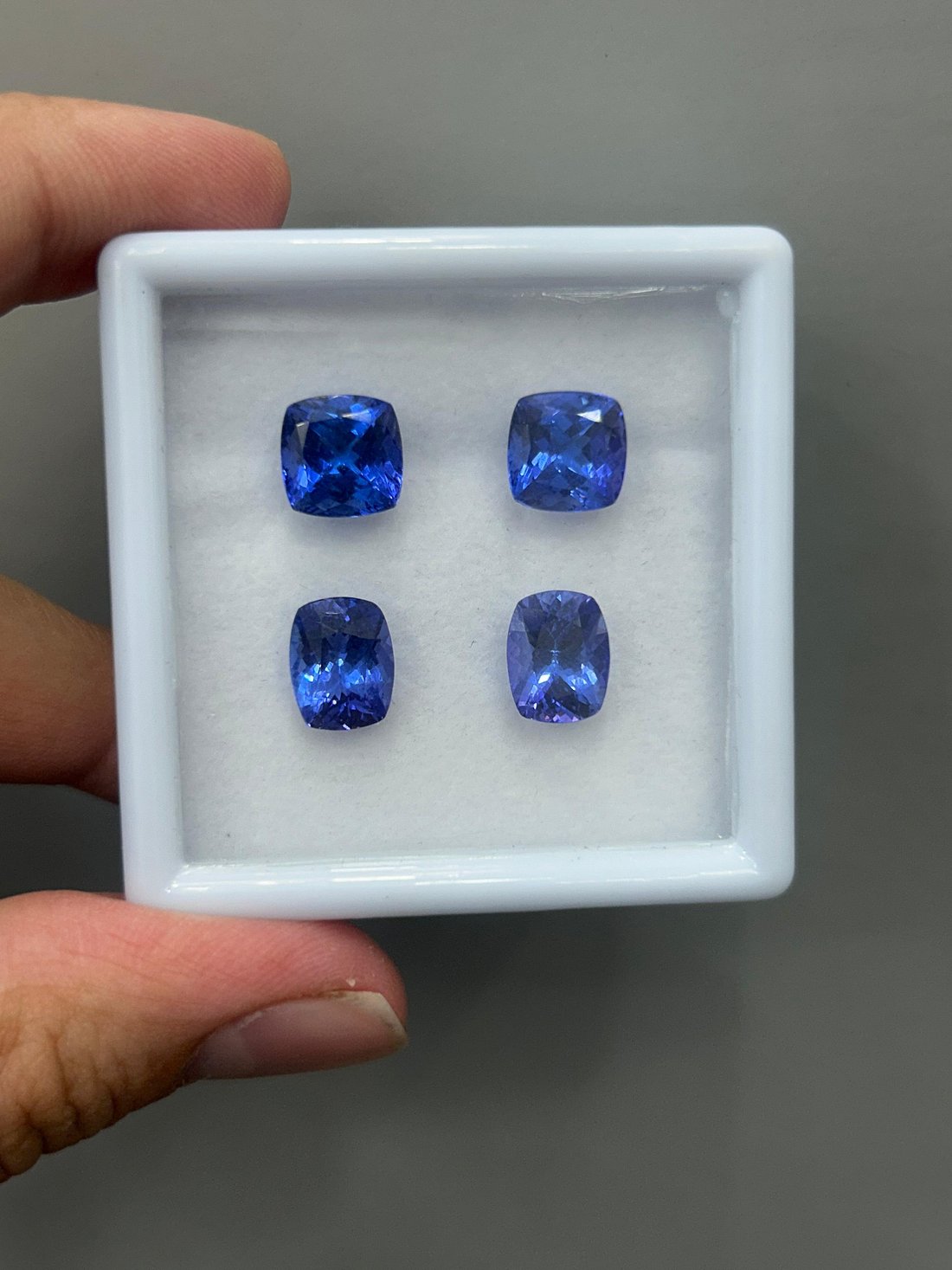
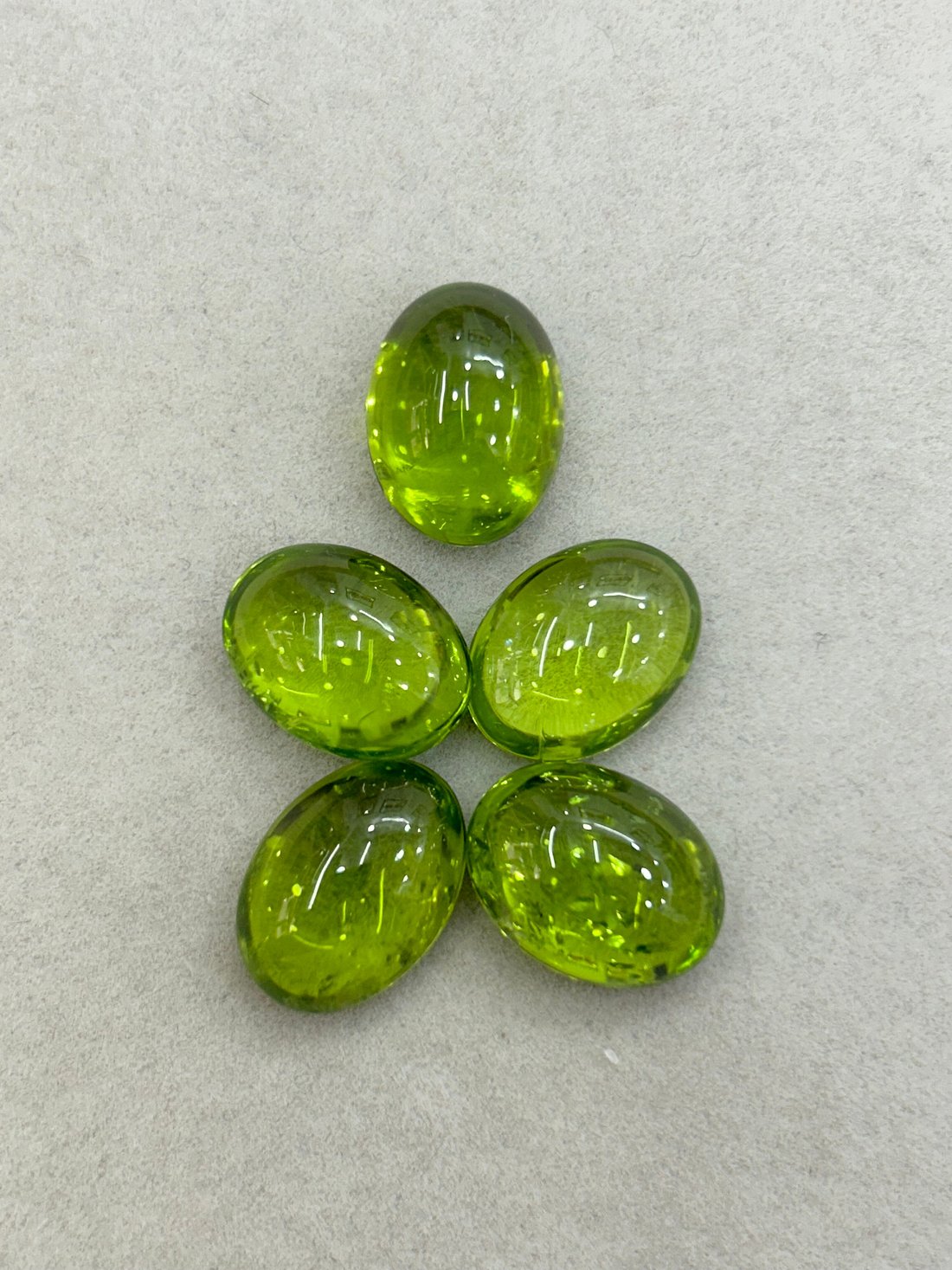
Natural, synthetic and imitation gems: three different questions
Distinguish material identity, formation origin, imitation and later treatment without treating the categories as value judgments.
In this article
How can you tell what a gemstone description promises? Separate what the material is, how it formed and whether it is being presented as a lookalike. Before choosing a piece, try writing its description in three short lines. This makes a vague promise such as “genuine blue gemstone” easier to question.
Identify the material and how it formed
A natural gem forms through natural processes. A synthetic gem is manufactured as a counterpart of a gem material found in nature. Synthetic sapphire, for example, is sapphire rather than glass. The difference concerns formation, while the material name answers the identity question. International Gem Society
Treatment is a further question. A naturally formed gem can be enhanced after formation and remain natural in origin. A synthetic gem can also be treated. Therefore, “natural” does not by itself mean untreated, and “synthetic” does not tell you everything about later changes. International Gem Society

Identity and formation
Illustrative examples; treatment is another question.
- Natural sapphire
- Sapphire; naturally formed
- Synthetic sapphire
- Sapphire; manufactured
- Glass lookalike
- Glass; imitation sapphire
Diagram text
Natural sapphire: Sapphire; naturally formed. Synthetic sapphire: Sapphire; manufactured. Glass lookalike: Glass; imitation sapphire.
What does imitation mean?
An imitation, or simulant, is a lookalike for another gem. It can itself be natural or manufactured. A natural white topaz offered as a diamond lookalike is an imitation diamond, while its actual material remains topaz. The comparison does not change what it is. International Gem Society
IGI describes laboratory-grown diamonds as diamonds with the chemical, physical and optical properties of naturally formed diamonds. They differ from diamond lookalikes such as cubic zirconia. That distinction is about material identity and origin, rather than whether someone finds a stone attractive. International Gemological Institute
Why the wording may differ
For coloured gems, CIBJO’s September 2026 Gemstone Blue Book specifies “synthetic” for manufactured counterparts and removes the earlier laboratory-grown and laboratory-created naming alternatives. This is guidance from a particular industry body. It should not be mistaken for a statement that every laboratory, retailer or jurisdiction uses identical terminology. CIBJO
Diamond terminology has its own guidance. IGI uses “lab-grown” in its diamond education. When wording differs, ask the seller to state the actual material and whether its formation was natural or manufactured. International Gemological Institute
Pearls need their own vocabulary. Cultured pearls form with human intervention, while natural pearls develop without it. Imitation pearls are lookalike beads. Do not use “synthetic” as a shortcut for every product whose production involved people. Gem-A
Turn the description into a decision
Imagine two blue pendants you like equally. Your first question might be whether you want a naturally formed stone or simply a particular appearance. Your next question could be whether the seller’s description is specific enough for you to compare the offers. Neither answer has to become a judgment about another person’s taste.
Ask for the material name, formation category and any known treatment in writing. Then read the treatment questions and the laboratory-report guide alongside that description. If a meaningful claim remains unclear, leave it as an unanswered question rather than translating a reassuring adjective into proof.
Finally, consider how the piece will be used. Durability planning and online-photo questions give you different ways to examine the offer. Choose a gem because its description and your priorities fit together, with the uncertainty visible.