Choosing zircon: confirm identity and plan careful wear
Choose a brilliant natural gem with clear identity, size and storage expectations.
In this article
Is the listing for zircon or another material?
When a listing says zircon, ask the seller to identify the exact material and stone. Keep the answer with the photographs and quotation. Then compare the colour and proportions you want in the finished piece. A familiar-sounding name is a reason to clarify the description before choosing.
Zircon has its own identity
Zircon is a natural zirconium silicate, distinct from cubic zirconia. It occurs in many colours and can show strong brilliance and rainbow flashes called fire. Most jewellery uses high-type zircon with relatively intact crystal structure; radiation damage over geological time produces lower-type material with different physical and optical properties. GIA: zircon, GIA: zircon description
Separate identity from your visual preference
For a hypothetical pair of earrings, decide which colour and proportions you want before comparing candidates. Ask the seller which information has been verified, and keep that answer apart from the appearance you enjoy. The natural, synthetic and imitation guide helps organise identity questions. Do not use scratching, heat or chemicals to investigate an uncertain piece at home.
Look at clarity and the cut together
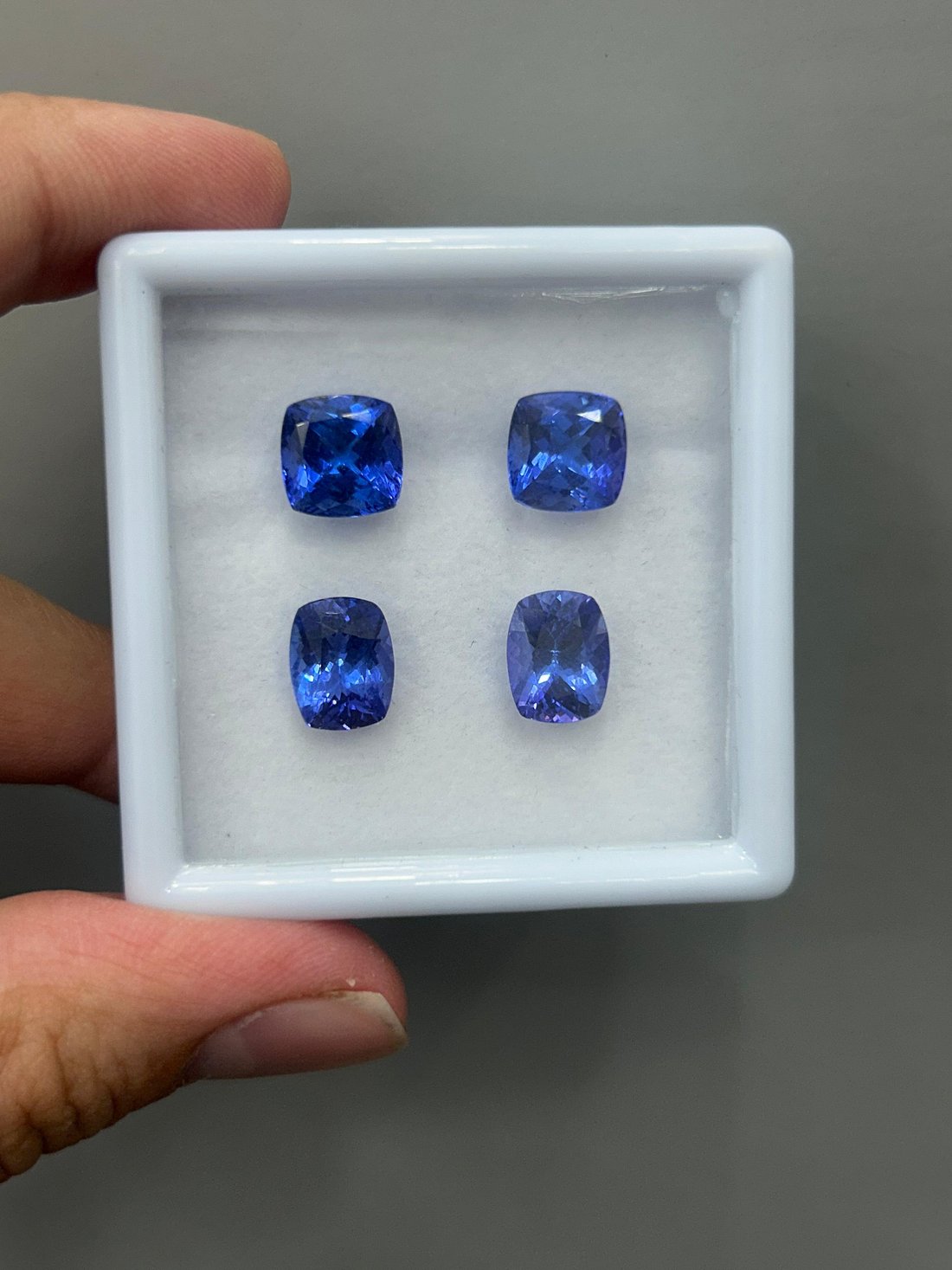
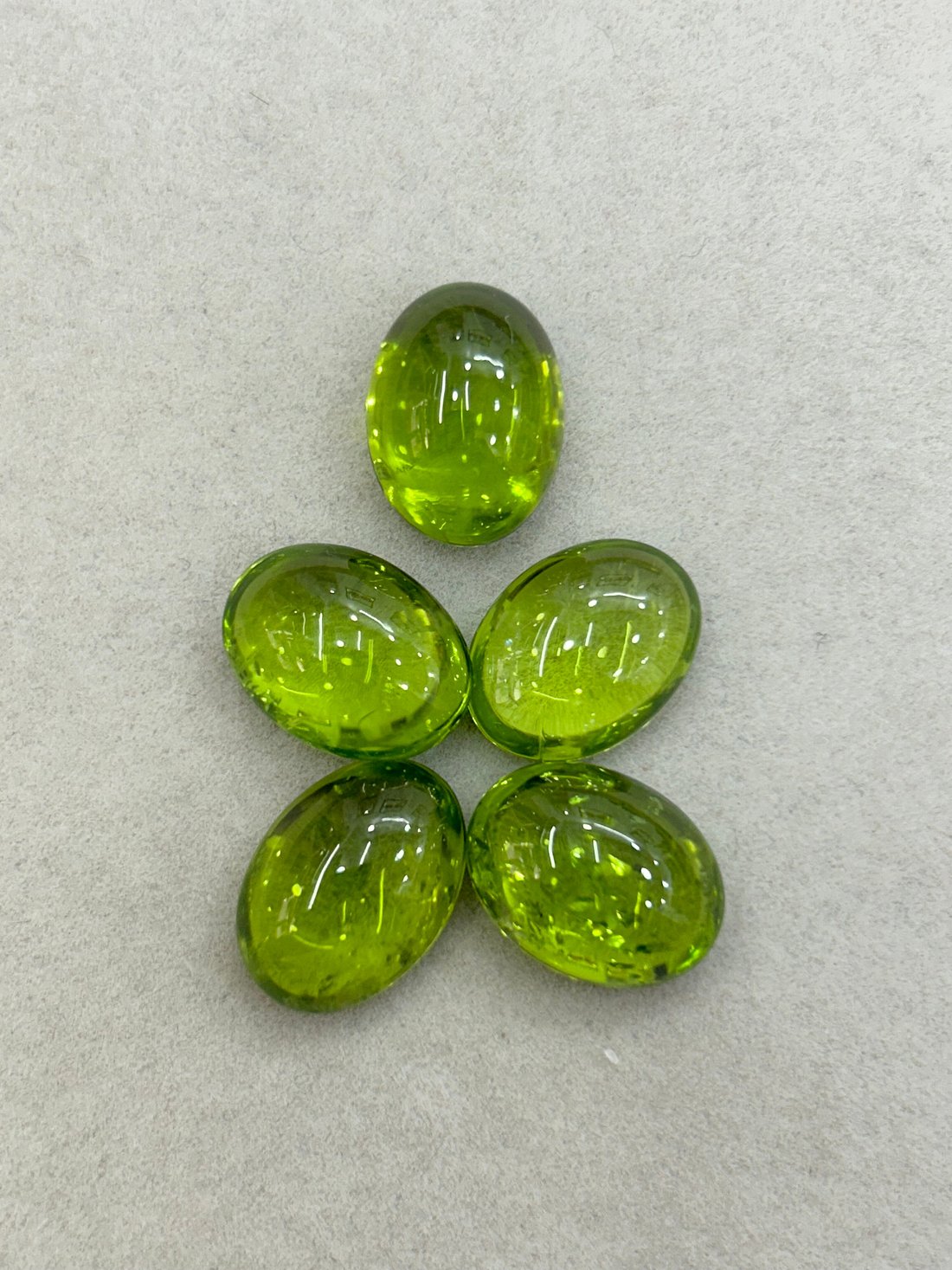
Blue zircon is particularly popular and its colour is almost always produced by heating. Many faceted examples have no visible inclusions, features inside the gem. Marked cloudiness can reduce appeal. Brilliant cuts emphasise lustre and fire, with step and mixed cuts also available. A rare cat’s-eye can appear in a cabochon, a smooth domed cut. GIA: zircon quality factor

Review a matched proposal
Ask to see both earring stones together in the same viewing sequence. Describe whether you want close matching or a deliberate difference. Request dimensions and the proposed profile, then compare the full design with your initial brief. The carat and millimetre guide can help you request a clearer size comparison. Use the outline to discuss the design, then review the actual stones.
Ask what the report establishes
GIA evaluates zircon but does not give it a quality grade. Its identification report records stone characteristics, natural or laboratory-grown identity and detectable treatments. Zircon can be brittle, and rubbing against other gems can abrade facet junctions. These edges deserve attention when assessing a stone offered for jewellery. GIA: buyers guide
Keep condition and evidence in the brief
Ask for clear views of the actual candidate and request an explanation of any area you cannot assess. If you receive a report, confirm which stone it describes. Our laboratory report guide helps you prepare the enquiry. Record the known condition beside the design proposal. A report, an attractive photograph and a setting drawing each answer different parts of the decision you are making.
Plan careful wear and storage
Zircon rates 6–7.5 for scratch resistance on the Mohs scale and has fair to good resistance to breakage. Protect it from knocks and hard rubbing. Heat can alter colour, and some heat-treated colours may shift after prolonged bright-light exposure. Fracture filling is possible but uncommon. GIA recommends warm, soapy water and advises against steam and ultrasonic cleaning. GIA: zircon care cleaning
Make the ownership plan concrete
Decide where you will keep the earrings when they are unworn and ask the jeweller how to apply the advice to the complete pieces. Our durability guide helps organise that discussion. Keep the care instructions with the identity and treatment record. Before choosing, check that the actual stones, agreed proportions and remaining questions all fit the brief you wrote at the start.