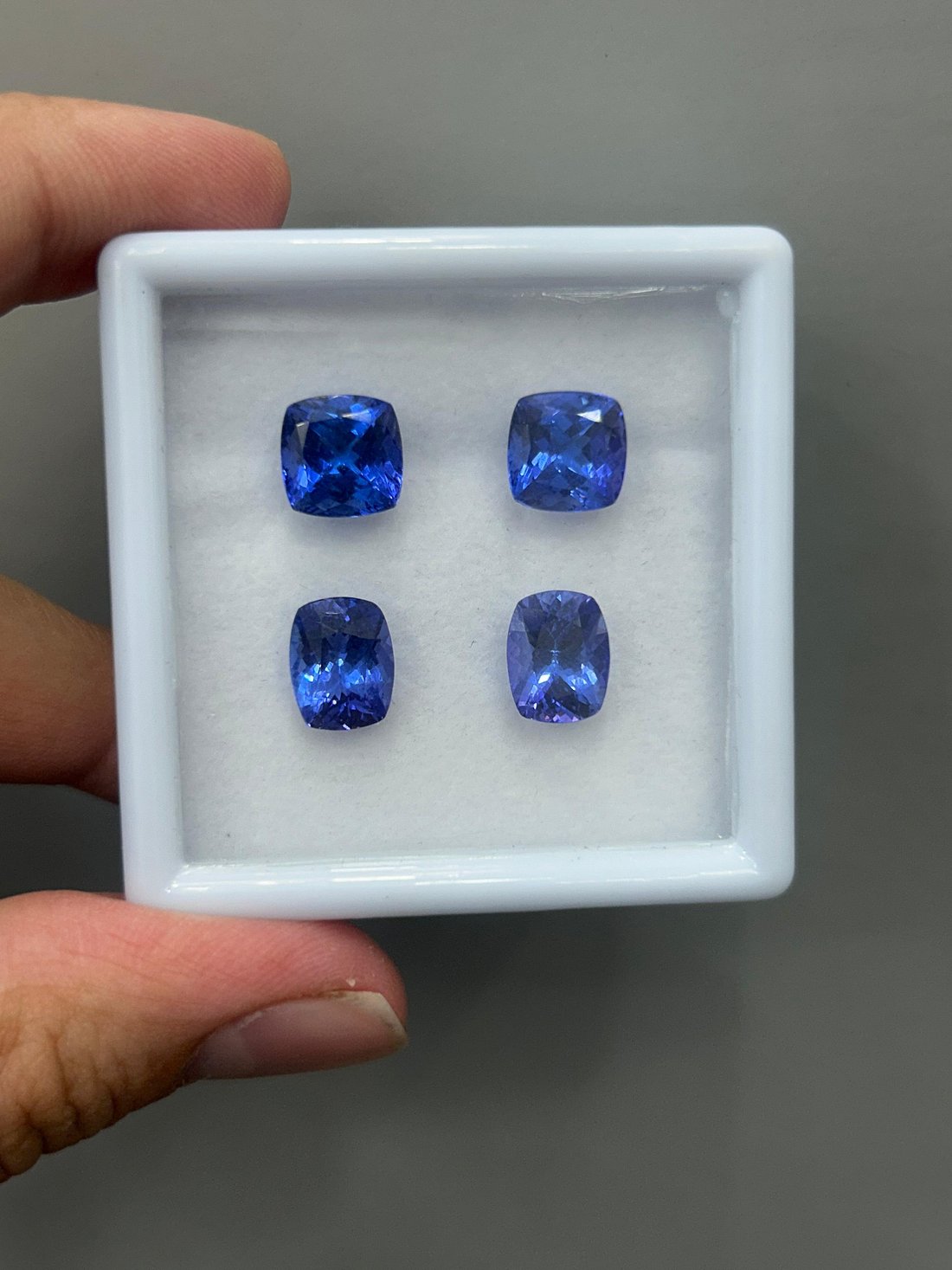
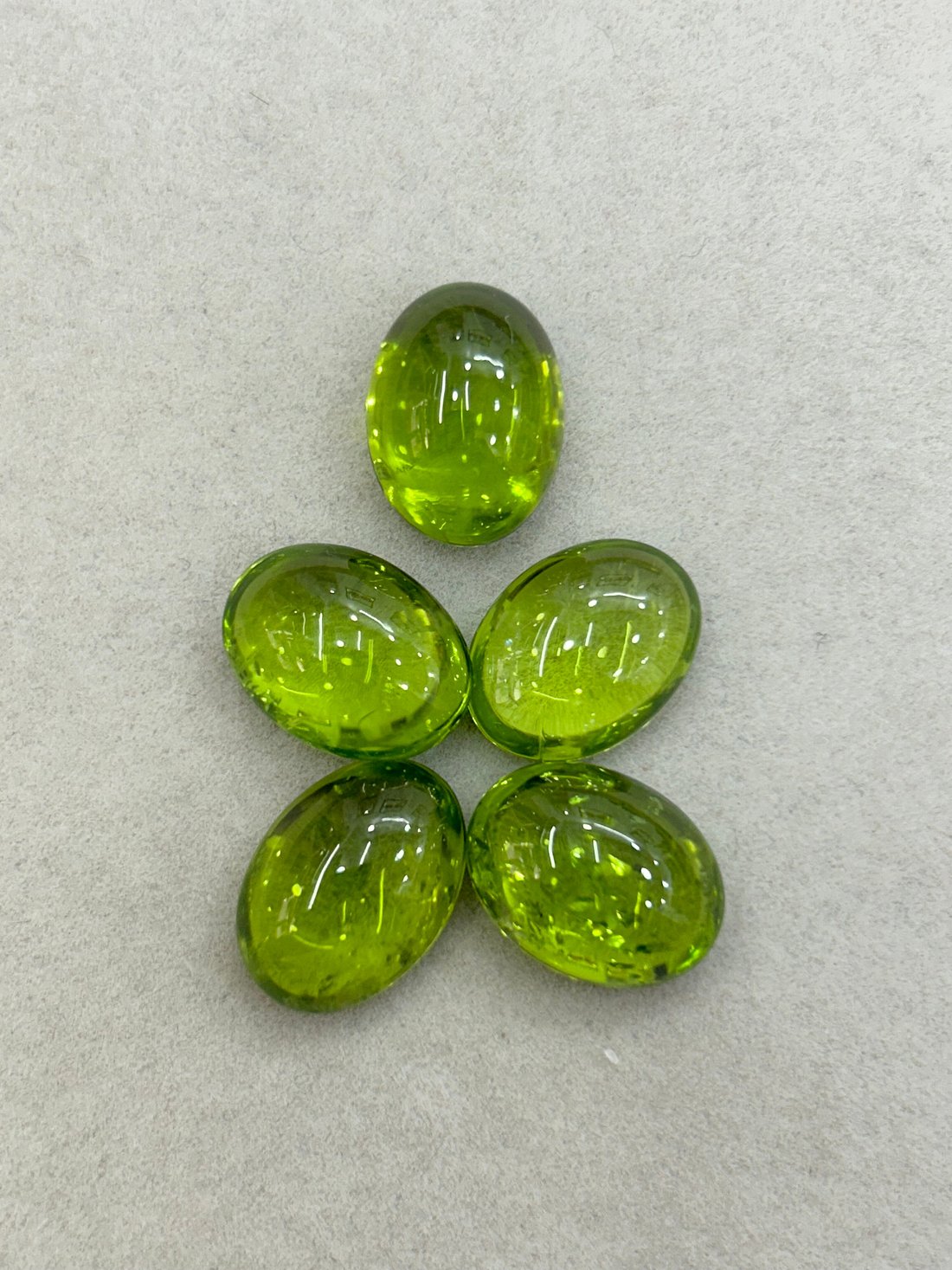
Natural glass in jewellery: identity, appearance and care
Understand natural glass in jewellery, including obsidian and moldavite descriptions, imitation concerns and material-specific care questions.
In this article
What are you buying when jewellery is described as natural glass? Ask for the material name and evidence for the natural-formation claim. Then decide whether you prefer the offered colour, surface or shape. A geological story should be tied to the item description rather than used to fill gaps in it.
Understand the formation category
Glass lacks the regular atomic arrangement of a crystal. Natural glass can form through volcanic activity or impact-related melting, among other processes. Obsidian is volcanic glass; moldavite is a green tektite associated with an impact event. Natural glass is not automatically material from the meteorite itself. Gem-A on natural-glass formation
Ask the seller to specify whether the piece is offered as obsidian, moldavite or another named glass. Have them explain whether any locality statement comes from documented provenance or from an identification opinion. Keep that answer separate from the description of what you can see.

Appearance is an observation
For a polished pendant, request a moving view of its sheen. For a rough-looking surface, ask for photographs that show the texture from several directions. Describe the effect or texture you enjoy in plain words. If that appearance is your main priority, make it explicit in the comparison instead of assuming a particular geological origin is necessary for it.
GIA’s study of natural and imitation moldavites found manufactured examples with realistic natural-looking etched textures. Its examination used internal features and measured properties to distinguish them. A textured surface, green colour or seller’s photograph therefore cannot settle the identity question on its own. GIA on moldavite imitations
If natural origin is essential to your choice, ask what examination supports it and whether the evidence concerns the exact piece. Avoid online scratch, flame or chemical tests. Arrange a suitable professional examination when the seller’s documentation does not answer the claim you care about.
Care for the named material
IGS advises avoiding mechanical cleaning systems for obsidian and describes mild soap, a soft brush and warm water for suitable material. It notes that inclusions can expand when heated. Use that advice only when the complete item’s treatments, metal, finish and construction permit the method. IGS obsidian care
If you do not know whether a piece has a coating, glued component or other alteration, ask before cleaning it. Keep it apart from items that could rub against it, and have damaged edges or loose fittings examined before wearing it again. Those are cautious handling choices while the material and construction are being clarified.
Keep the story proportionate
Use the natural synthetic and imitation guide to organise identity questions and the mixed-jewellery cleaning plan to record suitable care. Your final note should state the offered material, the evidence still needed and the appearance you like. Leave healing promises or predicted life changes out of the buying comparison.