Choosing tanzanite: plan for colour, setting and careful wear
Tanzanite: compare individual stones, understand disclosures and choose a realistic wearing plan.
In this article
How will you wear the blue-violet stone you like?
Start your tanzanite search with two questions: which appearance do you enjoy, and when do you expect to wear it? Write a short brief before comparing stones. Ask the jeweller to explain the proposed design and any limits on wear while you can still change the plan.
What you see depends on more than colour alone
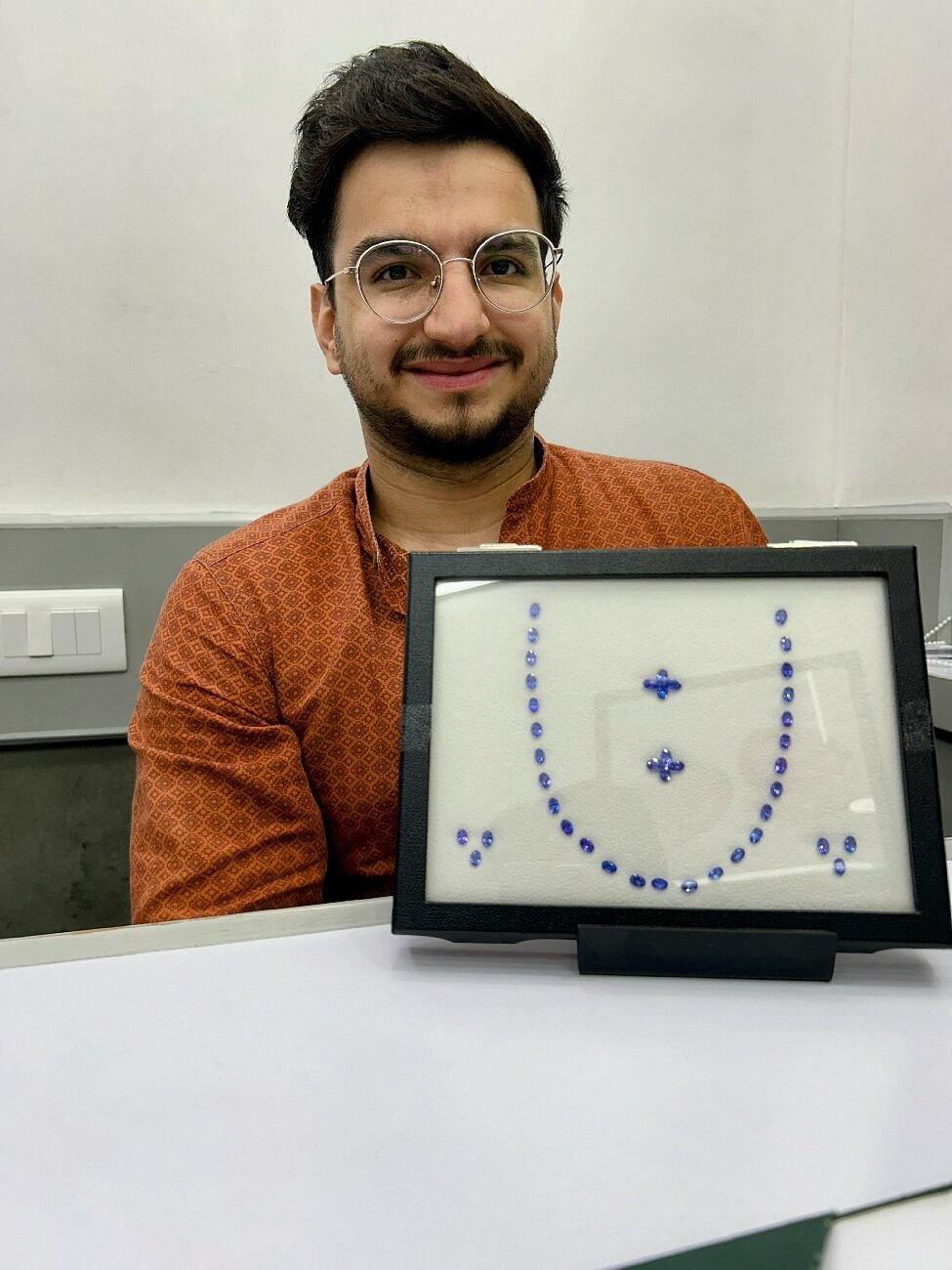
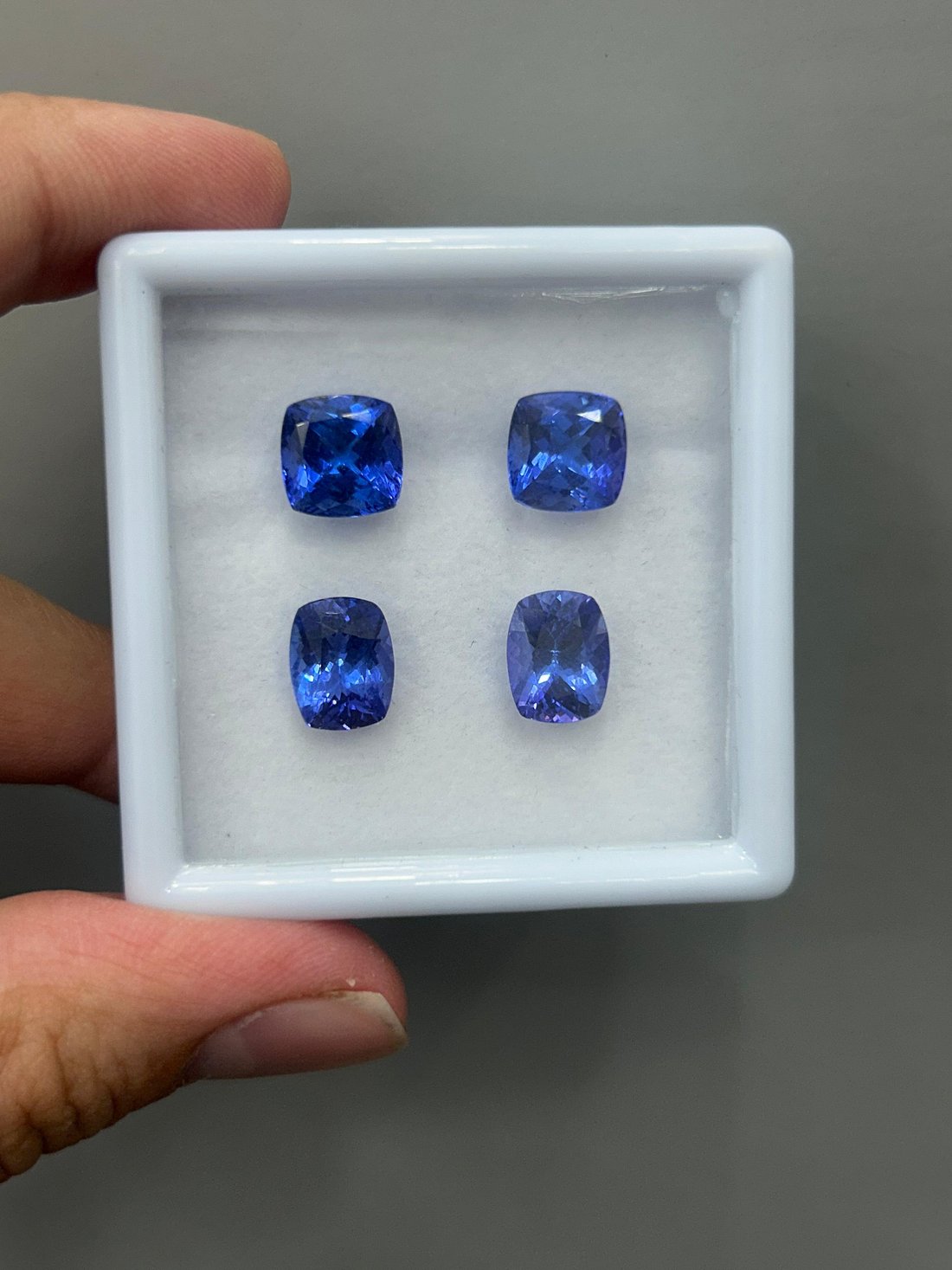
Tanzanite is blue-to-violet zoisite, commercially mined in Tanzania’s Merelani Hills. It shows different colours in different crystal directions, a property called pleochroism. Cutting orientation and lighting influence its face-up appearance. Most examples are heated to reduce brownish or yellow-green tones and emphasise blue and violet. This is why one colour word cannot fully describe every stone. GIA: Tanzanite description

Use size as context rather than a quality rule
Deep colour is usually found in larger tanzanites, while paler examples are more available. That is a tendency, not proof that a given weight has a particular quality. Visible inclusions, features inside the gem, can lower value, especially fractures affecting durability. Cutting direction also creates trade-offs: emphasising blue can retain less rough than emphasising violet. GIA: Tanzanite quality-factors
Compare candidates in a way that answers your own brief. Describe whether you enjoy the colour when the stone is still and when its viewing angle changes. Ask for comparable information rather than relying on unrelated photographs. Our colour and lighting guide helps you plan that comparison without mistaking a sales image for a complete assessment. GIA: Tanzanite quality-factors
Keep grading language in perspective
A, AA and AAA are not a standard tanzanite grading system. GIA identifies tanzanite and detectable treatments but does not give it a universal quality grade. Heating is widely expected; an attractive colour or a high seller grade does not establish that a stone is unheated. Ask what the seller’s description means and what evidence supports it. GIA: Tanzanite buyer-guide
If a report forms part of the offer, examine what it actually says rather than treating its presence as the end of the decision. Our report-reading guide separates identification questions from quality preferences. Put any unanswered treatment question on your comparison sheet so it stays visible when you review the price. GIA: Tanzanite buyer-guide
Plan for a stone that needs protection
Tanzanite rates 6–7 for scratch resistance on the Mohs scale. Its resistance to breakage is fair to poor, with cleavage planes along which it can split. Avoid hard knocks, strong heat and sudden temperature changes. Warm water with soap is suitable; ultrasonic and steam cleaners are not recommended. Heat treatment is stable, but rare coatings can scratch and fracture fillers can change appearance. GIA: Tanzanite care-cleaning
For a ring, ask the jeweller how the setting fits your plans and whether occasional wear would be more appropriate. Record the agreed limits with your design notes. The durability guide helps you prepare that conversation. GIA: Tanzanite care-cleaning
Make the final comparison concrete
Write down the appearance you prefer, the documented description and the care commitments you are comfortable with. If those fit together, you have a stronger basis for choosing. If the wearing plan is your main concern, investigate sapphire alongside tanzanite and compare individual stones, settings and disclosures before deciding. GIA: Tanzanite description