Choosing sapphire: define the colour and the evidence you want
Sapphire: compare individual stones, understand disclosures and choose a realistic wearing plan.
In this article
What colour belongs in your sapphire brief?
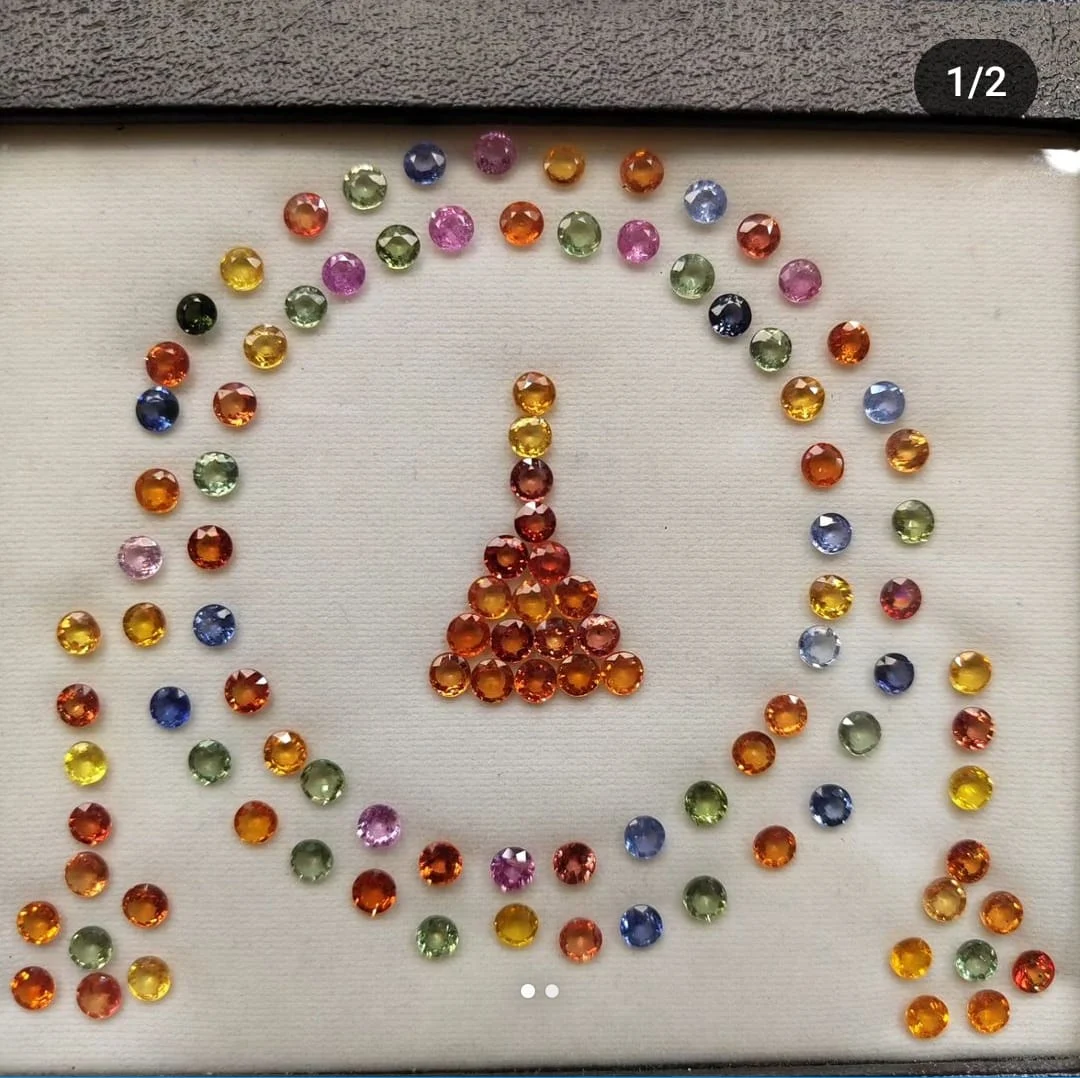
Are you drawn to a quiet blue, a bright blue-violet, a pastel pink or a mixed-colour look? Describe the appearance before reading a seller’s grade. Use that brief to compare actual candidates, then ask for their treatment information. Colour preference and disclosure deserve separate answers.
Sapphire is more than blue
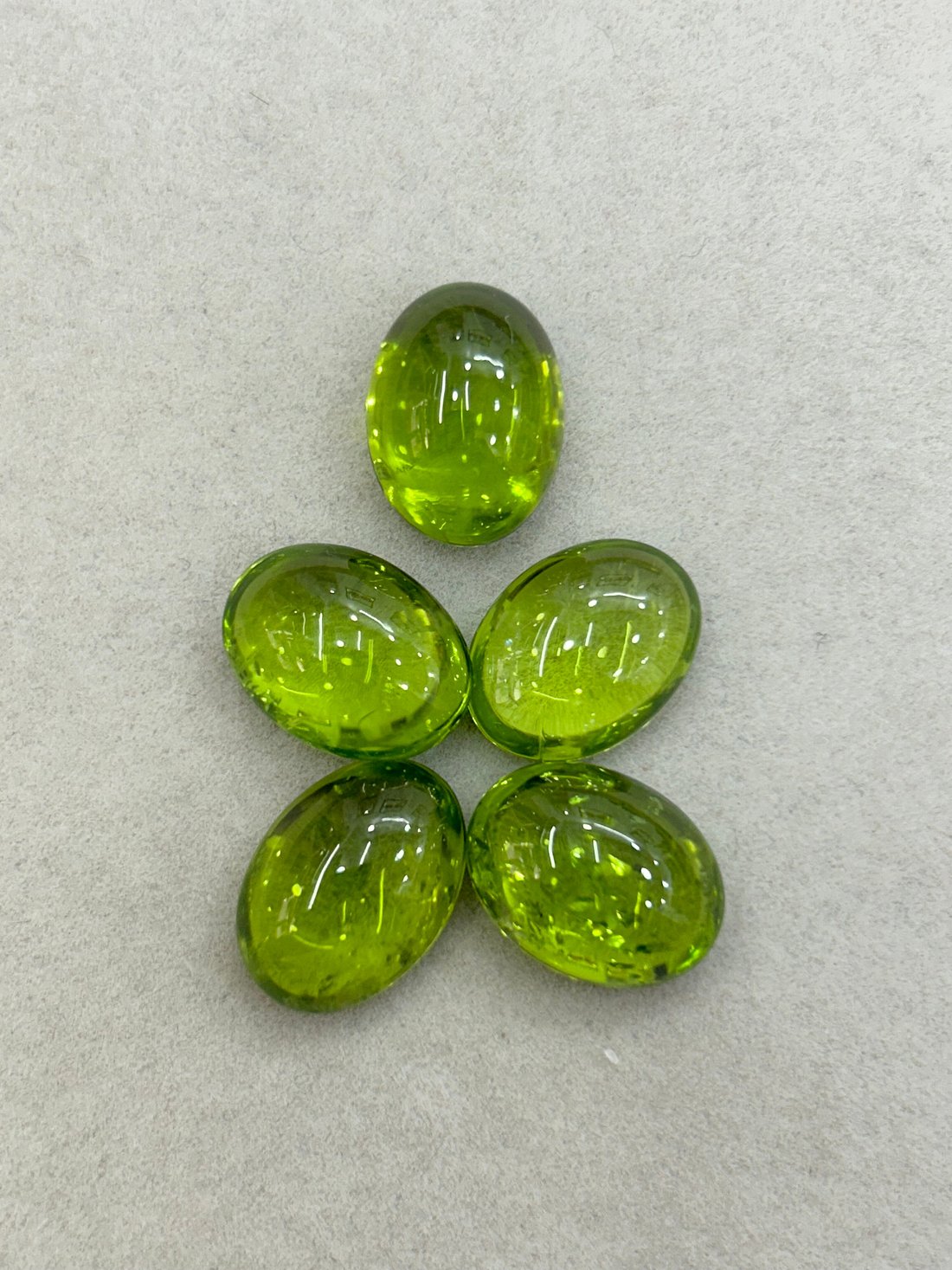
Sapphire is corundum that is not classified as ruby. It includes many colours and colourless material. Some sapphires show different colours under different lighting, while tiny aligned inclusions can create a star effect on a cabochon, a polished stone with a rounded top. These are different appearances to understand before deciding what you prefer. GIA: Sapphire description

Inspect the complete appearance
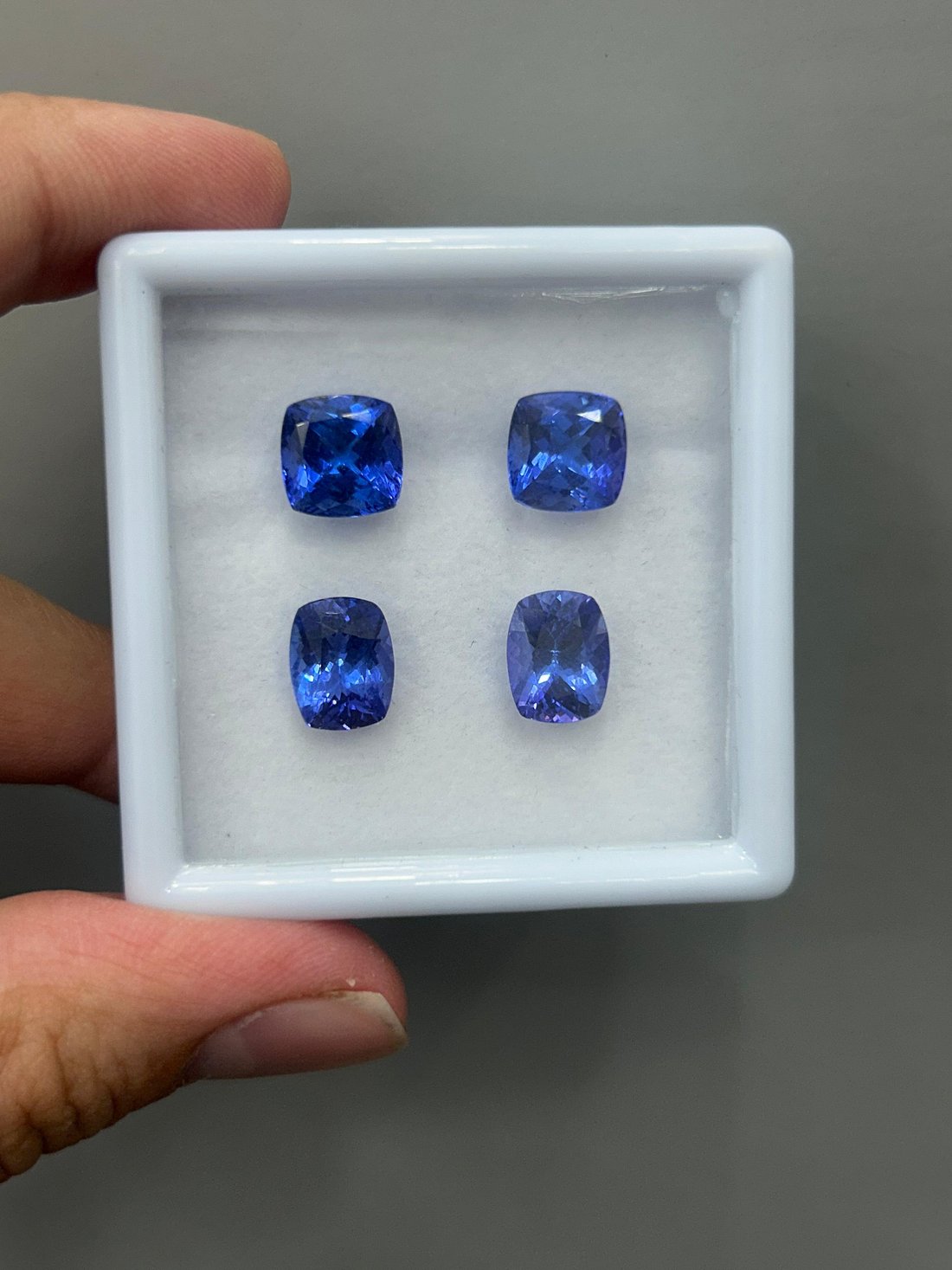
Strong colour usually has greater market value, but blue sapphire that becomes too dark can lose brightness. Tiny inclusions, features inside the gem, can sometimes create a velvety look. Fractures that threaten durability are a different concern. Cutting direction and colour zoning influence the colour seen from above. A familiar shape alone therefore says little about the success of a cut. GIA: Sapphire quality-factors
Build your shortlist around examples you can compare. If one attracts you immediately, describe why before reading its sales description. Then ask for the same viewing information for the other candidates. Our colour and lighting guide helps you think about the conditions in which you will actually see the finished piece. GIA: Sapphire quality-factors
Make treatment a separate buying question
Many sapphires are heated, and some undergo lattice diffusion, which introduces colour-causing elements. These treatments are not interchangeable descriptions. Diffusion-treated sapphire generally has a different market value from otherwise comparable heated material. A GIA identification report records identity and detectable treatments; it does not provide a sapphire quality grade. GIA: Sapphire buyer-guide
Ask the seller to state treatment clearly on the purchase record. If an answer is vague, keep that question open instead of filling the gap with an assumption. A useful comparison should explain what each price includes and what is still uncertain. See treatment disclosure for the vocabulary to use in that discussion. GIA: Sapphire buyer-guide
Plan the setting and cleaning together
Sapphire rates 9 for scratch resistance on the Mohs scale. Excellent resistance to breakage and no cleavage, or splitting planes, make it a practical option for regularly worn rings. Treatment still matters. Filled, cavity-filled or dyed stones can be damaged by mild acids and should be wiped with a damp cloth. Warm water and soap suit untreated or heat-treated material. Check condition and treatment before machine cleaning. GIA: Sapphire care-cleaning
Tell the jeweller when you expect to wear the piece and ask about the proposed setting. Keep care instructions for the whole item. Use the durability guide to prepare questions, then have the actual piece assessed. GIA: Sapphire care-cleaning
Decide with a short written comparison
For each shortlisted sapphire, note what you like, what has been documented and what remains unanswered. That record makes it easier to resist urgency and return to your own priorities. If you are choosing mainly for a blue-violet appearance, our tanzanite guide offers a second material to investigate with its own wear considerations. GIA: Sapphire description