Choosing spinel: appreciate its own colours and ask about treatment
Spinel: compare individual stones, understand disclosures and choose a realistic wearing plan.
In this article
What do you enjoy about the spinel itself?
Start with the colour you like and the piece you want to wear. If you are comparing red gems, describe what appeals to you about each actual candidate. Then ask which documented attributes explain the price. Keep your preference separate from comparisons with more familiar gem names.
Understand the material behind the name
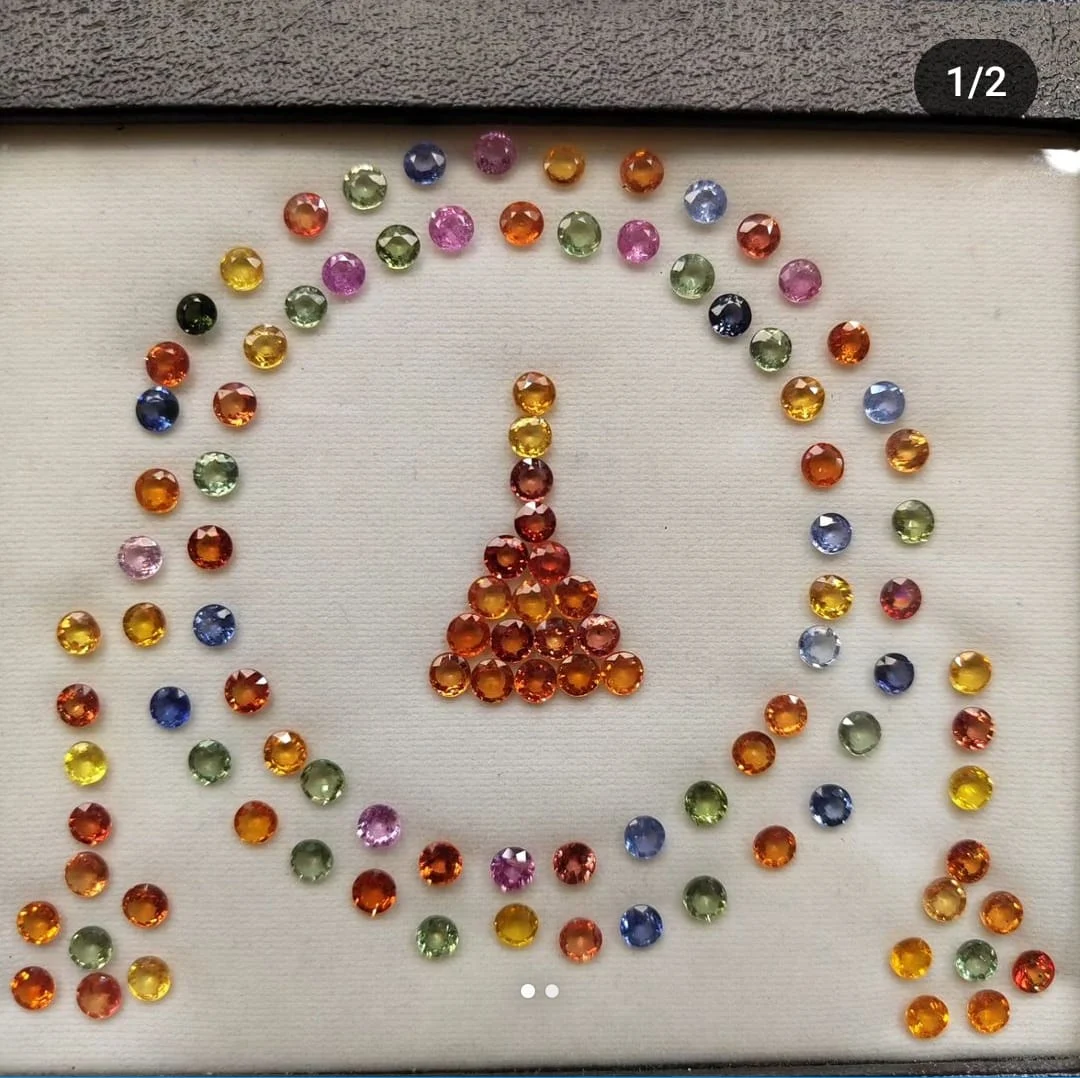
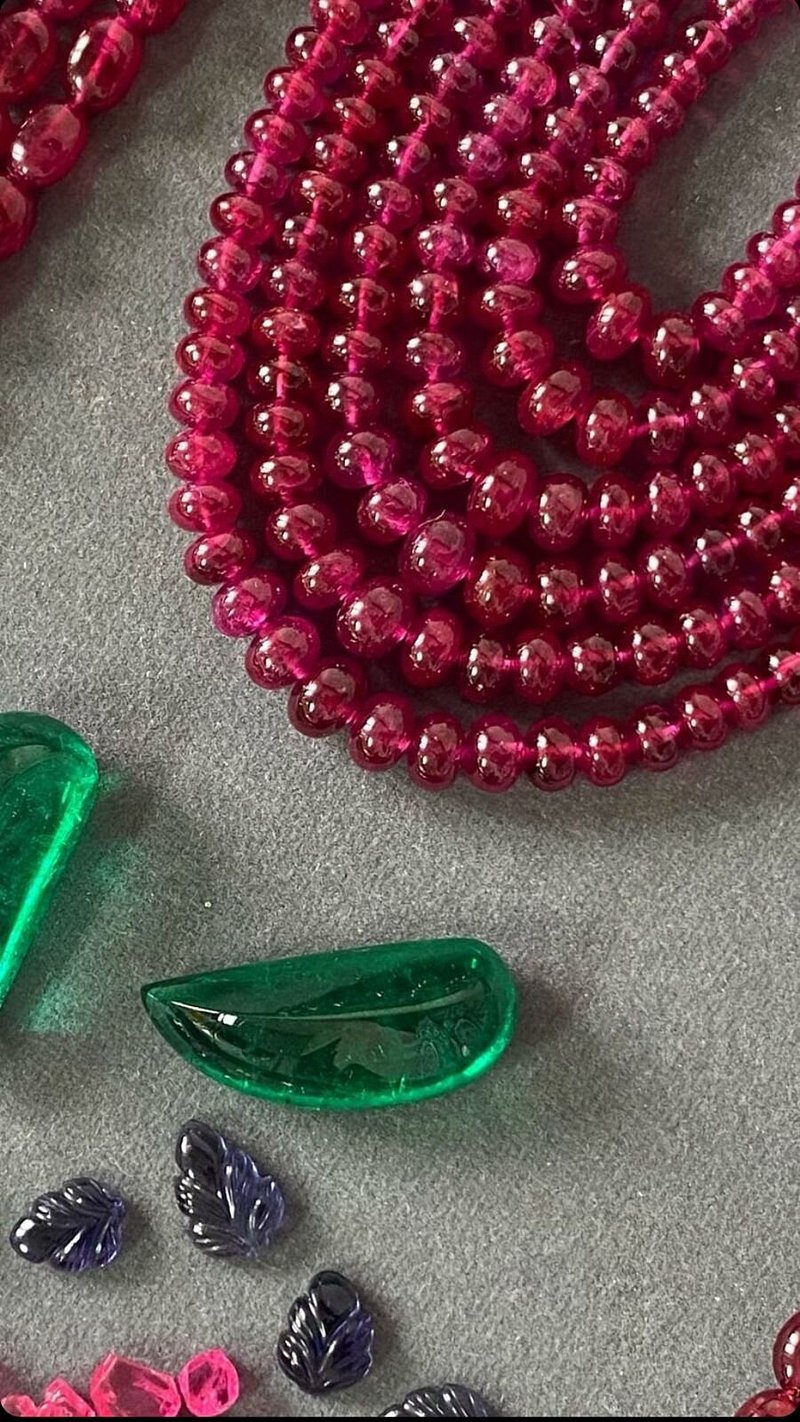
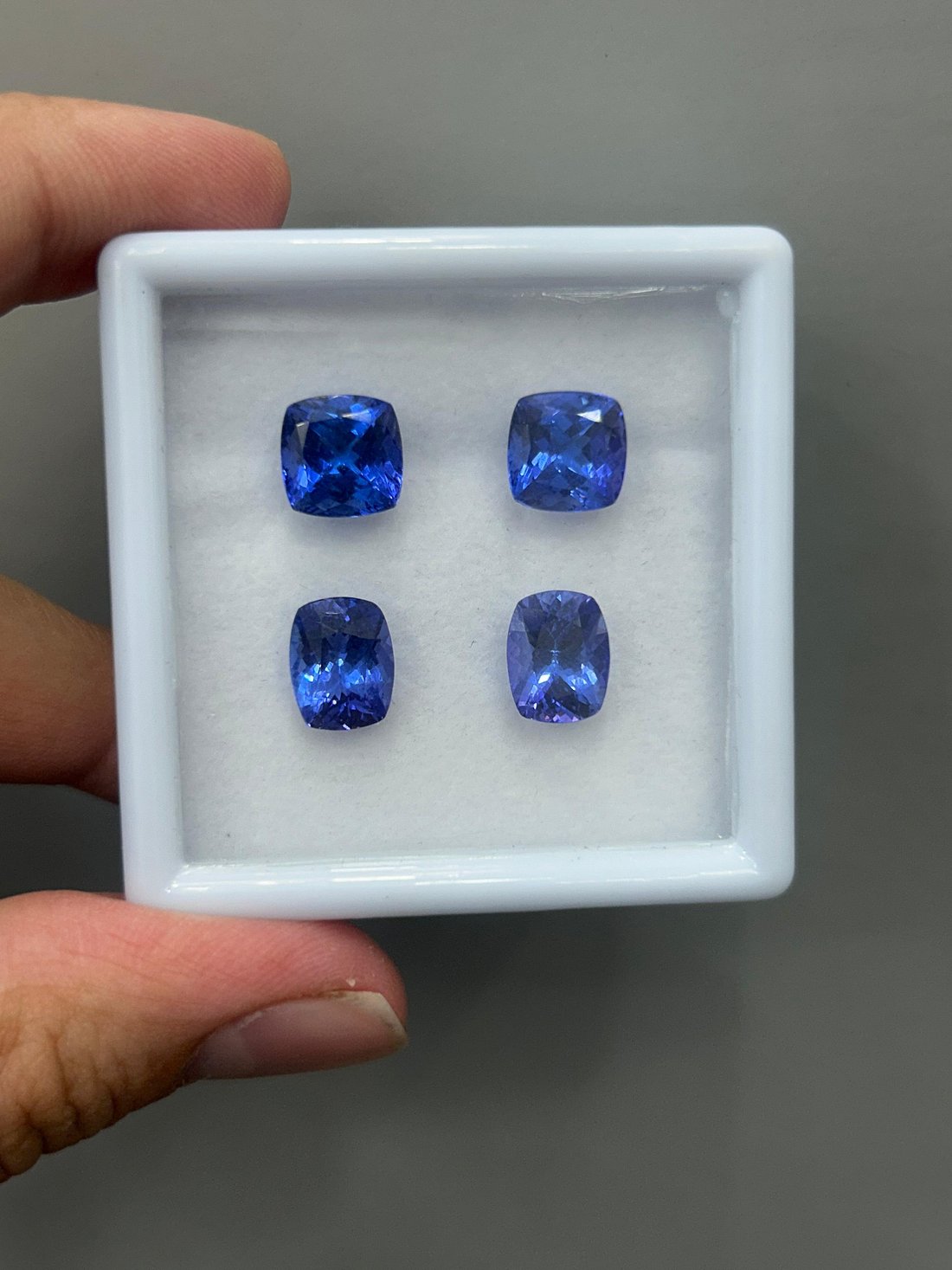
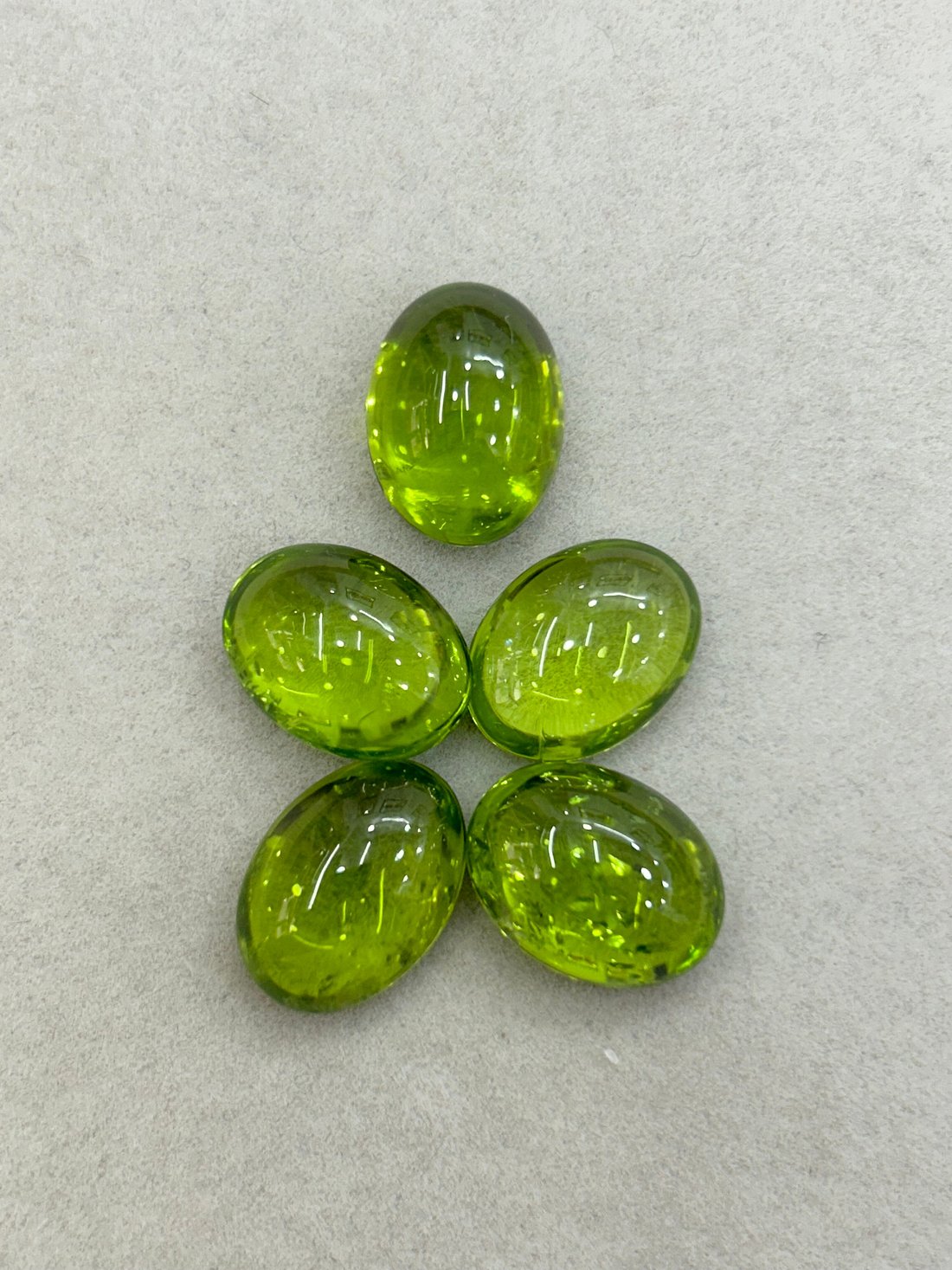
Spinel is a mineral distinct from ruby, although important historical red stones were mistaken for ruby. Chromium produces reds and pinks, while cobalt can produce vivid blue. The range also includes orange, violet and lavender, so the name does not describe one fixed appearance. GIA: Spinel description
Separate personal taste from market rarity
Vivid reds and fine blue colours are highly prized. Lavender and other pale colours can offer a different look. Inclusions visible inside the gem generally reduce value, though some create attractive effects. Cutting matters too: fine rough may be shaped to retain weight rather than to meet a standard setting size. Measure the actual stone before planning a mounting. GIA: Spinel quality-factors
Rather than ranking every colour on a single ladder, make two lists. On one, describe the appearance you enjoy. On the other, record the attributes the seller says explain the price. Where those lists differ, ask what you would gain by paying more. Our quality buying questions help keep that distinction clear. GIA: Spinel quality-factors

Ask what the description can prove
A, AA and AAA are company-specific quality descriptions, not a standard grading scale for spinel. A GIA identification report can establish natural or laboratory-grown identity and detectable treatments. Ask for the material’s identity in writing rather than treating a strong colour, a trade name or a quality label as proof that it is natural. GIA: Spinel buyer-guide
If you are commissioning a piece, agree which stone is being supplied and keep its measurements with the design record. If a report is important to your decision, discuss that before paying. Our laboratory report guide sets out the questions worth asking without turning a document into a promise about every aspect of a purchase. GIA: Spinel buyer-guide
A durable gem still needs specific care
Spinel rates 8 for scratch resistance on the Mohs scale. Its good resistance to breakage supports use in rings. High heat can fade some colours. Heat treatment and, less commonly, fracture filling are possible. Warm water with soap is a gentle cleaning method. Fractures can make ultrasonic or steam cleaning unsuitable; fracture-filled stones should be cleaned only with warm, soapy water or a damp cloth. GIA: Spinel care-cleaning
Ask for care instructions covering both stone and setting. Keep them with the purchase record; the cleaning-plan article helps organise it. Do not test an uncertain stone with heat, chemicals or scratching. GIA: Spinel care-cleaning
Make a comparison you can explain
A good final choice is one you can describe in ordinary words: you like its colour, understand the seller’s description, and know the next care steps. To compare red materials, read the ruby guide. Compare the actual examples and their disclosures; avoid treating either name as a shortcut to quality. GIA: Spinel description