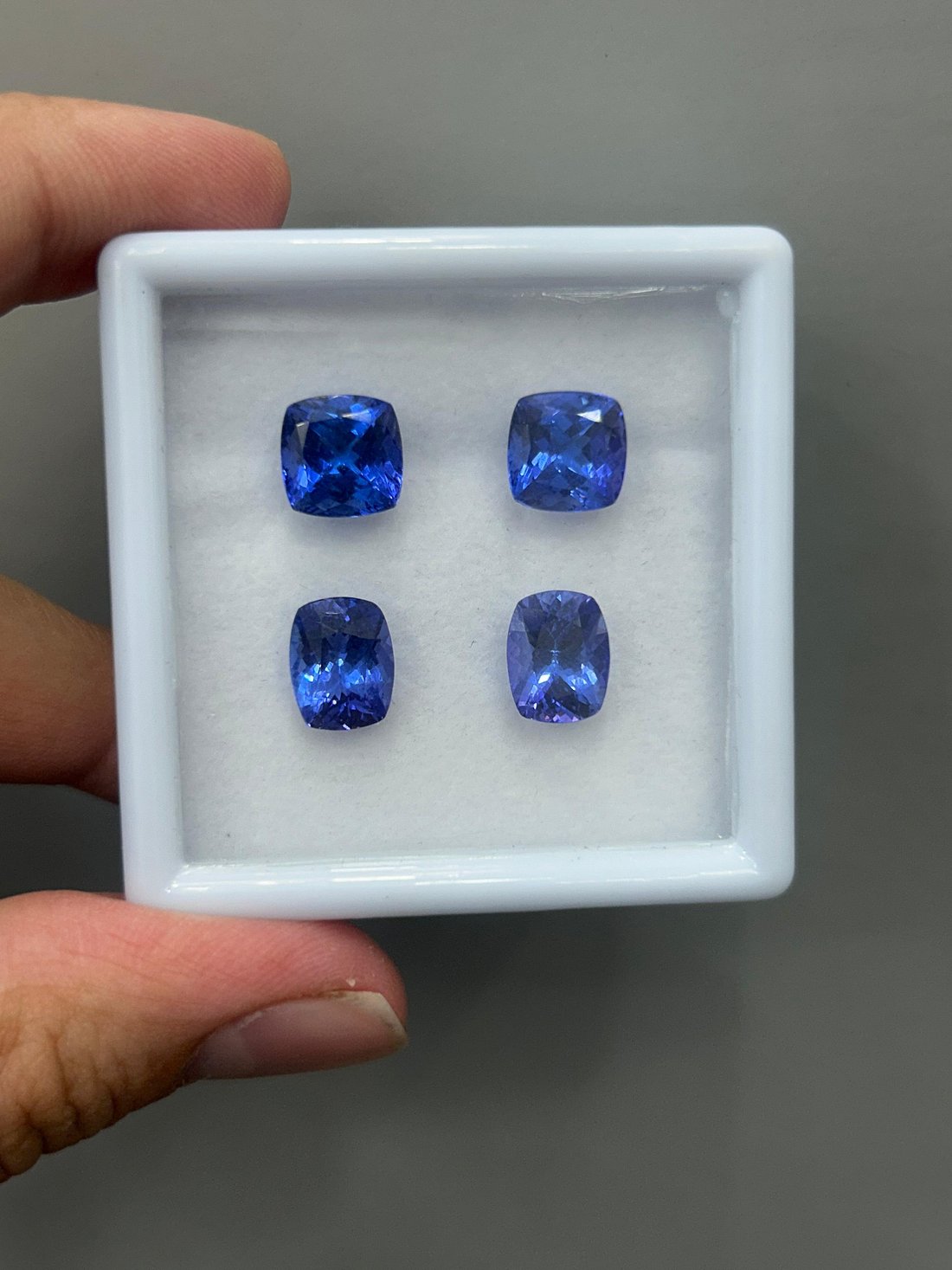
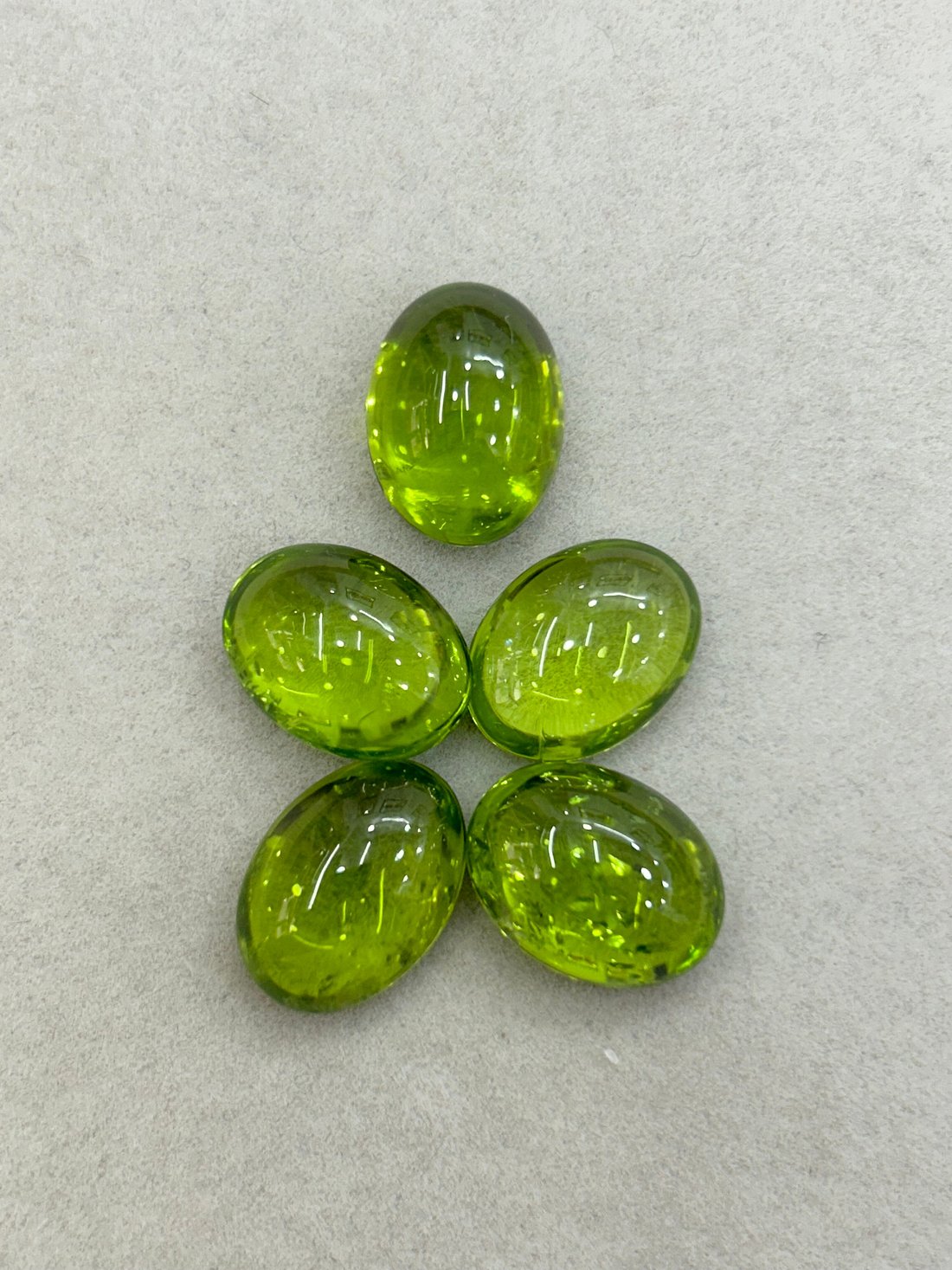
Choosing alexandrite: compare both colours and the change
Compare the colour change, identity evidence and realistic wear of an alexandrite before purchase.
In this article
Editorial draft. Sources checked 2 October 2026.
Which appearance matters most to you?
What do you want to enjoy about an alexandrite: the colour change itself, its daylight appearance or both? Write down your priorities before looking at prices. You might also be drawn to owning a less familiar gem. Keep that interest beside your visual preferences so you can compare actual stones on terms that matter to you. Ask for a demonstration of the change before relying on a product description.
Two appearances, one stone
Alexandrite is the colour-changing variety of chrysoberyl. Fine material can look green or blue-green in daylight, then red or purple-red under incandescent light, such as a traditional filament bulb. Pleochroism means seeing different colours from different viewing directions. Alexandrite’s colour change depends on the light source. That distinction explains why simply turning a stone is not a complete demonstration of its colour change. GIA alexandrite description.

Arrange a fair comparison
Ask to compare each candidate in the same two lighting arrangements, with the same background and viewing distance. For an online purchase, request a clearly explained demonstration rather than guessing from two unrelated photographs. Make separate notes for the first appearance, the second appearance and how much you like the transition. Our guide to colour and lighting gives you a wider framework for this comparison.
Change is only part of quality
GIA identifies the strength of the change and the quality of both colours as central buying factors. Very light stones may lack intensity, while very dark ones may lack brightness. Clarity and cutting also matter. Most fashioned alexandrites weigh less than one carat, and larger fine examples are notably scarce. GIA alexandrite quality factors.
Decide what you would trade
Imagine two candidates. One has your favourite daylight appearance but a quieter evening change. The other changes more dramatically but has a daylight colour you enjoy less. Decide which you would prefer to look at most often, then ask to see that candidate in both lights again. The gemstone-quality questions help turn descriptions such as “strong change” into points you can discuss with the seller.
Ask what the stone is
Natural alexandrite is rare and valuable. GIA warns that an inexpensive gem with a strong red-green change may be laboratory-grown or an imitation. An independent identification report can help confirm a significant purchase. A name containing alexandrite does not, by itself, settle the material's identity. GIA alexandrite buying guidance.
Keep the paperwork useful
Before committing, ask which document belongs to this exact stone and what questions it answers. Keep the description, any treatment disclosure and the report together. The laboratory-report guide helps you read that evidence without treating a report as a substitute for liking the gem. If the answers remain unclear, pause the purchase rather than trying a home identification test.
Plan for the actual piece
Alexandrite has Mohs hardness 8.5, a measure of scratch resistance, and excellent toughness, or resistance to breaking. It has no cleavage, the tendency to split along particular directions. GIA considers it suitable for regular ring wear. Warm water and soap are a safe cleaning method for the gem. Ultrasonic and steam cleaning are generally acceptable, but fracture-filled examples require warm soapy water alone. GIA alexandrite care.
A final question before wearing it
Before deciding, ask the jeweller about this stone's condition and care of the completed piece, including its metal, any plating and the setting. Our durability guide explains the different damage risks to discuss. Keep those answers with the lighting demonstration and identity evidence. If the colour change has not been clearly shown or the description is unresolved, request the missing information before committing. You should be able to explain what you like about this alexandrite and what its care involves.