What a bezel setting does
Learn how a bezel holds a gemstone, what its rim can protect, and which fit and care questions to ask before choosing a piece.
In this article
The rim around a gemstone is part of the setting. In a bezel, metal surrounds the stone's edge and overlaps it to hold the gem in place. A full bezel encircles the edge; a partial bezel leaves sections exposed. GIA setting guide
What the rim changes
A bezel provides coverage around the gemstone's edge and gives the piece a continuous metal outline. Its smooth border can be less prone to catching on fabric than raised prongs. Coverage depends on the actual design, especially where a partial bezel leaves an edge visible. GIA setting guide
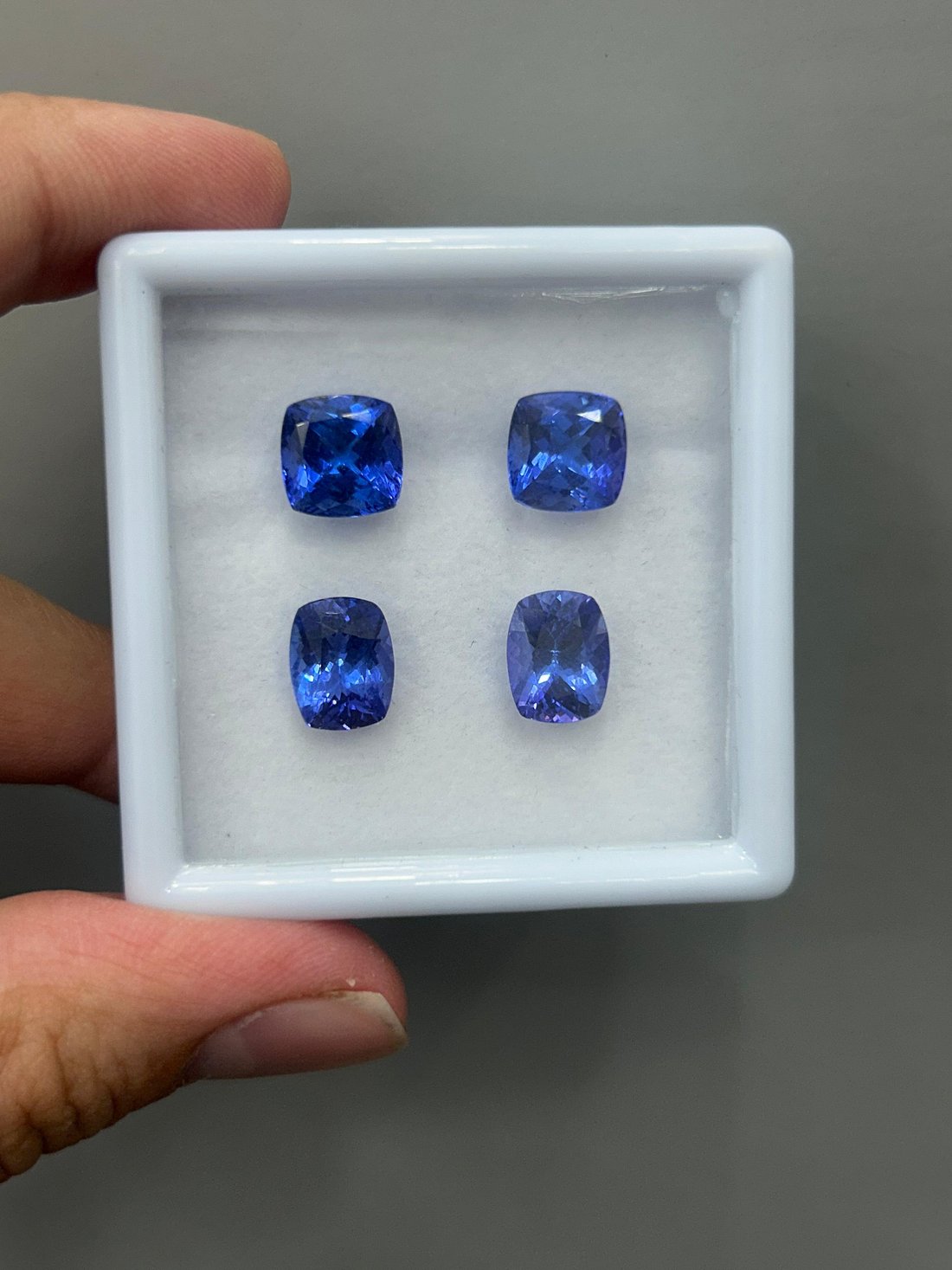
When comparing two pieces, look at the stone from above and from the side. Decide how much of the outline you want to see and whether you like the border's visual weight. Ask the jeweller to point out the areas that hold the stone. A photograph showing only the front may leave that question unanswered.

The rim must belong to this stone
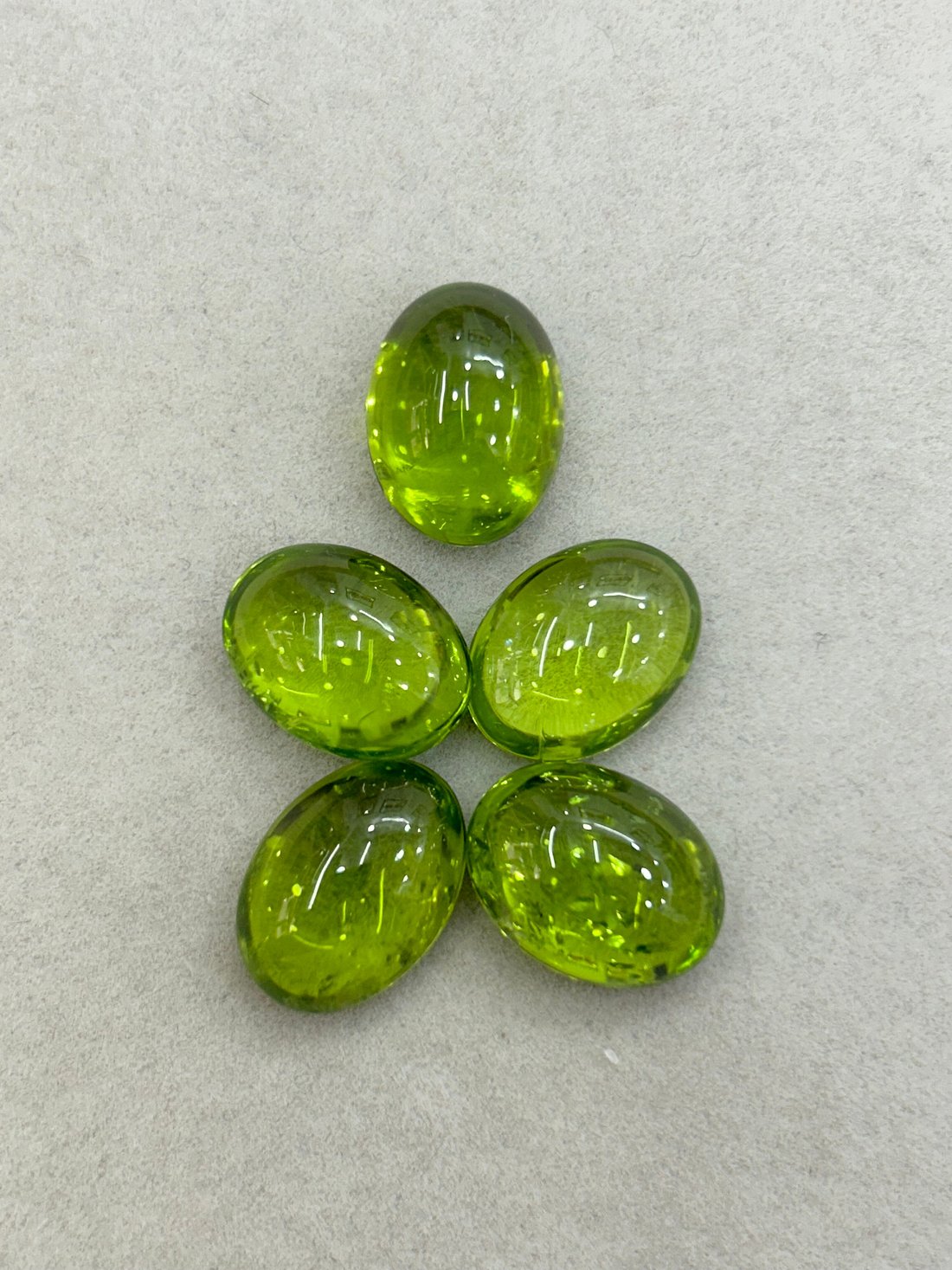
Maker Lucy Walker explains that a cabochon's bezel height depends on where its side begins to curve, rather than the total height alone. The metal needs enough overlap to retain the stone. A tall dome therefore does not automatically call for a tall rim. This is a maker's design explanation, not a measuring rule for every setting. Lucy Walker on bezel setting
Use that distinction when discussing a design. Ask whether the setting is being planned for the particular gem or for a standard size description. Our guide to stone fit explains what to ask when the millimetre measurement seems to be the same.
Describe the border you would like to see. Ask for examples of a fine frame and a more substantial one, then have the jeweller explain which options are suitable for this gem.
Keep the aftercare question specific
Have the jeweller describe how to inspect this setting and how the finished piece should be cleaned. Include the materials, metal finish, gemstone treatments, any adhesives and closed-back construction in that conversation. If these details are unknown, seek an assessment before using liquid, polish or a cleaning machine.
If you notice stone movement or a newly lifted or damaged edge, stop wearing the piece and arrange inspection. Do not press the rim back yourself.
Read about cabochon and faceted stone planning if the underside is unfamiliar. For an owned piece, use a short inspection before wear to recognise changes without attempting a repair.