How cabochons and faceted stones change setting design
Compare the geometry of cabochons and faceted stones, including exceptions, and learn what to ask about a proposed setting.
In this article
Ask to see a stone from the side and below when discussing a setting. Use the cut name to start the conversation, then have the jeweller explain the proposed design.
Begin with the whole shape
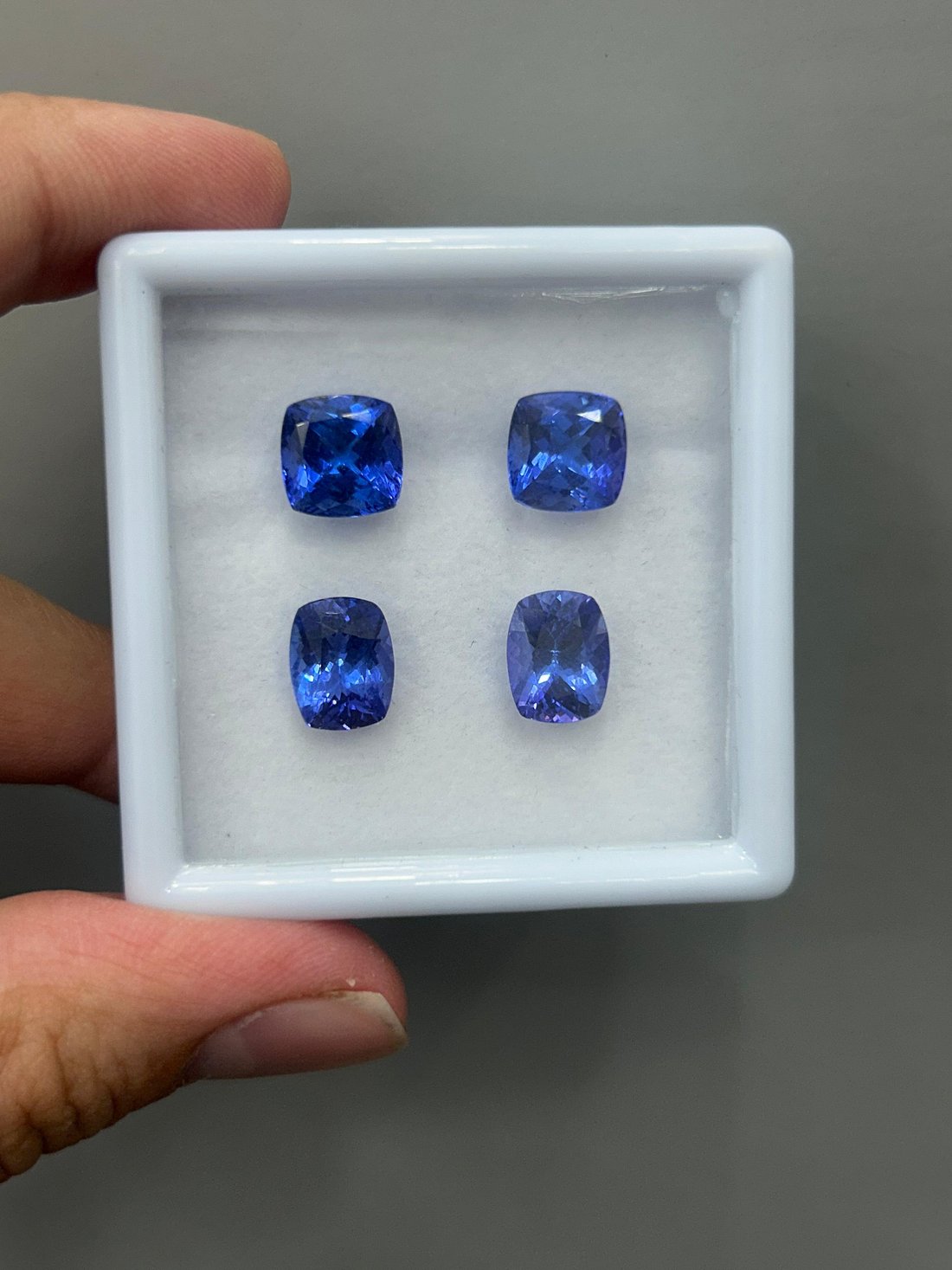
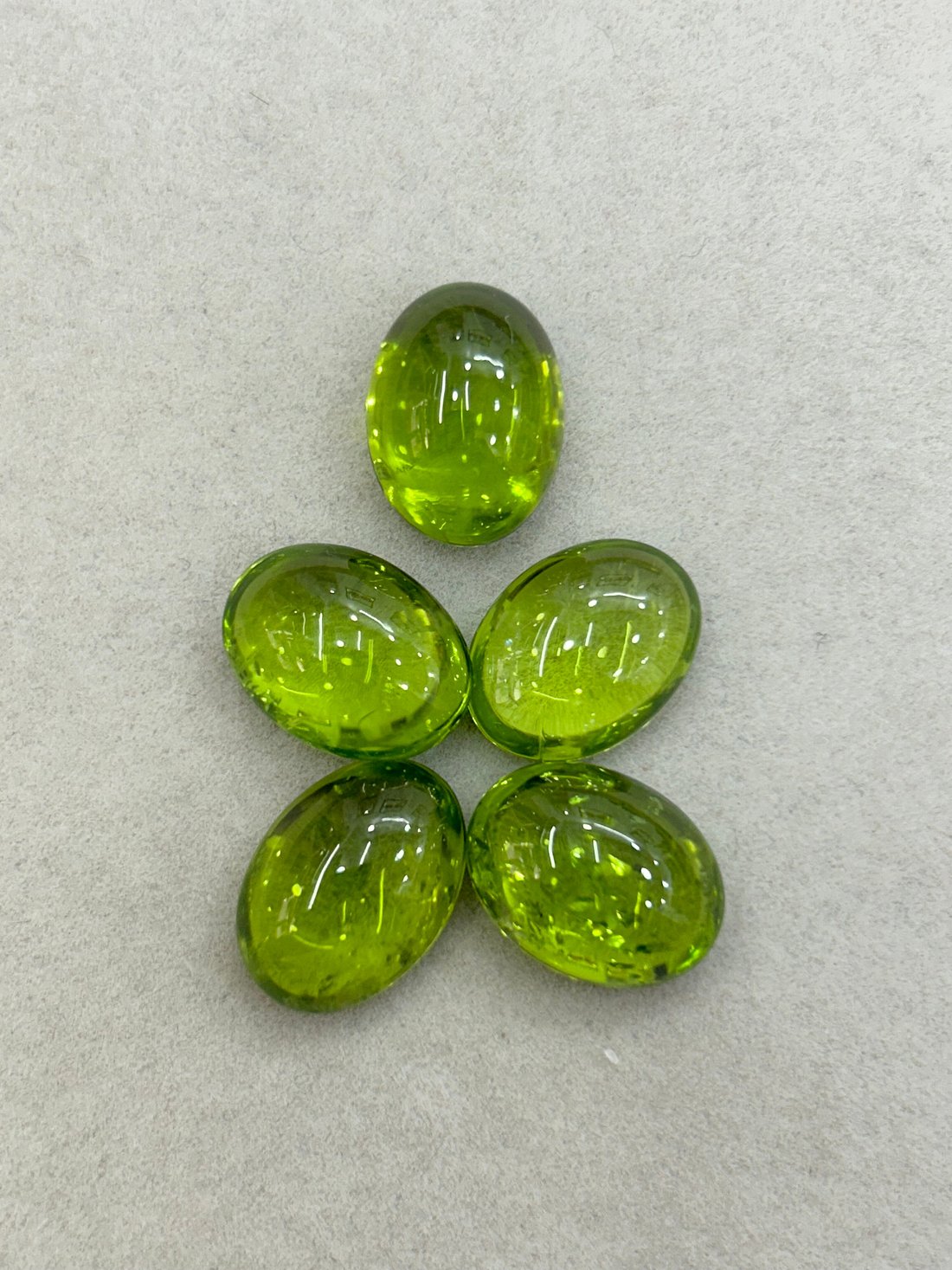
A faceted gem has polished flat surfaces. GIA describes a simple cabochon as having a smooth, rounded top and flat bottom. A double cabochon has a rounded underside too. Many faceted stones have a crown above the girdle and a pavilion below it, but exceptions include rose cuts with flat bottoms and faceted domes. The underside cannot be assumed from the broad cut label. GIA cut definitions
When discussing a design, ask to see the stone from the side and below. Have the jeweller identify the part that will rest on the support and the part that will be held by the metal. Use the same questions for a ring, pendant or pair of earrings.

Profile examples
- Rounded-top example
- Flat base in this example
- Faceted example
- Pointed underside here
Diagram text
Left: rounded top and flat base. Right: flat faces and pointed underside. Examples only.
The setting name does not choose the cut
Bezels can hold both cabochons and faceted stones. GIA's durability paper explains that the setting procedure differs with the cut and, for cabochons, with open- or closed-back construction. It also describes prongs as suitable for many cuts, with the stone's vulnerabilities affecting the approach. GIA gemstone durability paper
Describe the appearance you want, then ask the jeweller to show suitable options for this gem. Compare the proposals from the same angles so the choice is clear.
For cabochons, the side curvature is relevant to a bezel's height. Walker's examples show why total dome height does not settle that measurement. Lucy Walker on bezel height
Decide what you want to see
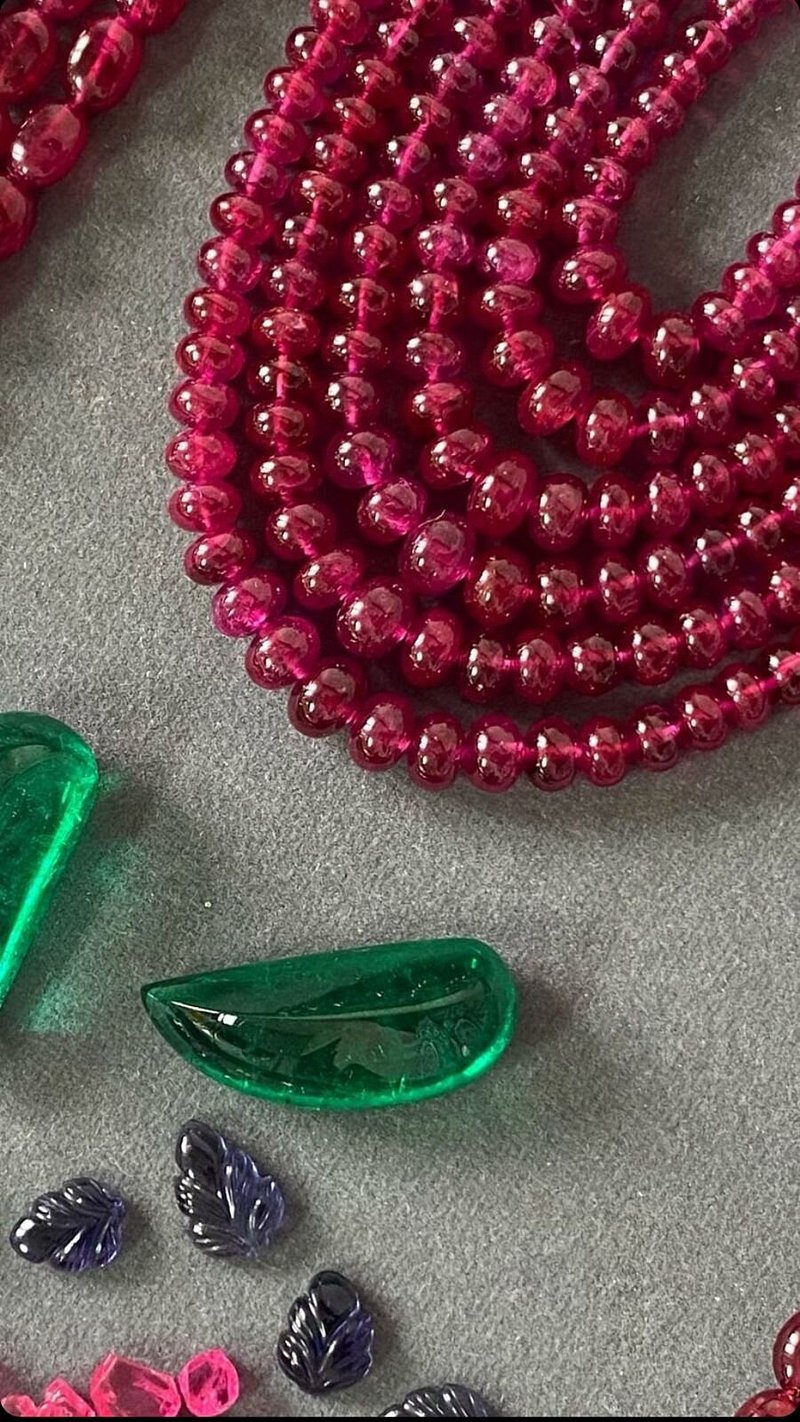
Some gems are cut as cabochons to display optical effects such as a star or cat's-eye. GIA cut definitions
If a visible effect is the reason you like a stone, ask to view it in the proposed orientation before approving the design. Take your usual viewing light into account when making the choice.
For a faceted gem, decide how much of its outline you want visible. Ask the jeweller to show where the metal will sit in relation to that outline. These are preferences to discuss after suitability has been established.
Our guide to gemstone cuts covers terminology in more detail. Use stone fit for profile questions, or choosing moonstone when a moving glow is central to your choice.
Finally, request care instructions for the completed piece. A cut name does not identify its material, treatment, metal finish, adhesives or setting condition. Unknown details need professional assessment before cleaning.