Why a setting must fit the individual gemstone
See why diameter alone cannot settle gemstone fit, and which profile and condition questions to discuss with a jeweller.
In this article
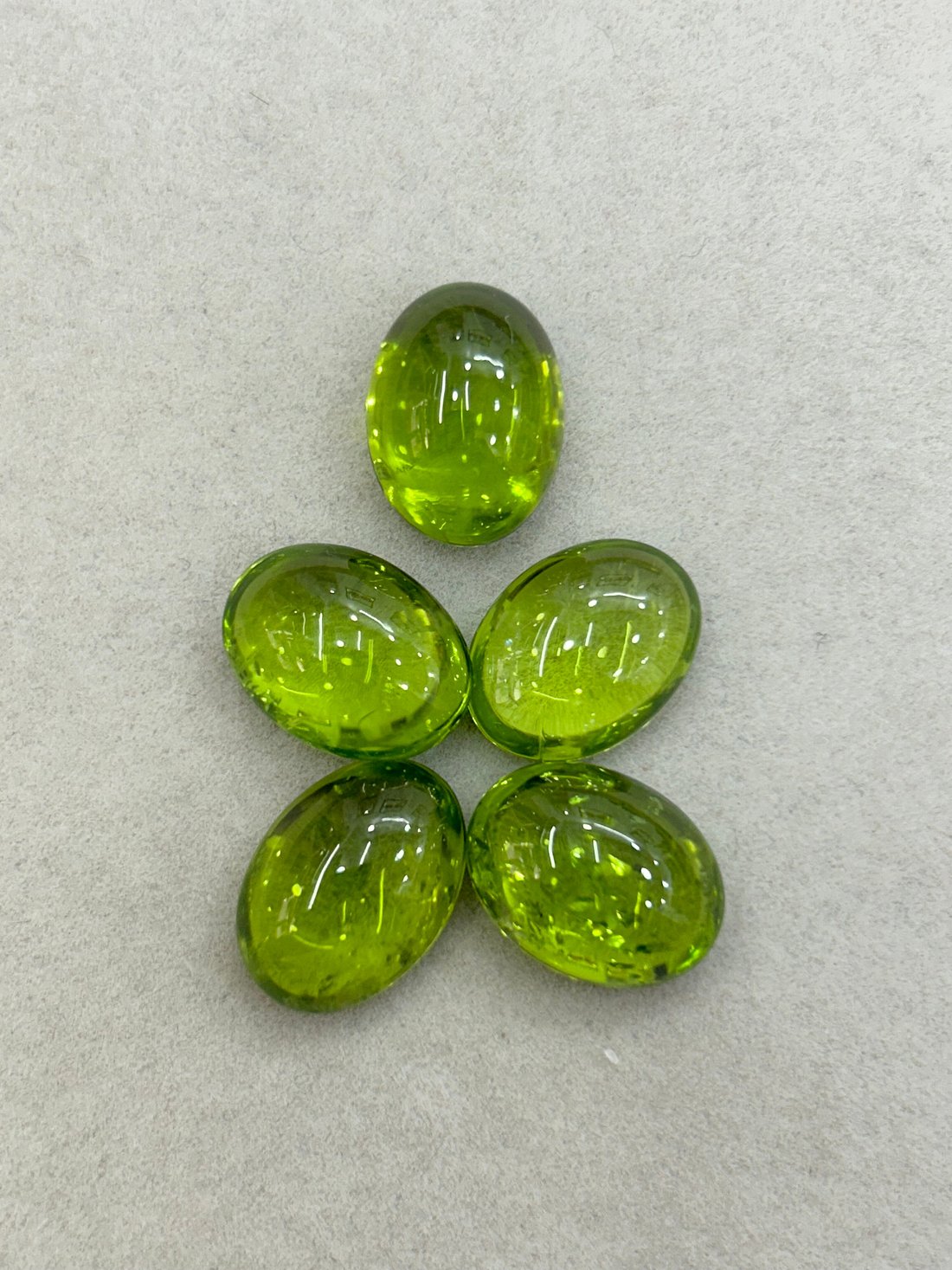
Two gemstones described as the same millimetre size may need different planning. Lucy Walker illustrates this with cabochons of equal diameter whose sides start to curve at different heights. Their total height alone does not determine the bezel height needed to hold them. Lucy Walker on bezel height
A size label is useful when you begin a discussion. Ask the jeweller to confirm suitability for the actual stone before ordering a mount or agreeing to a redesign.
The side view supplies missing information
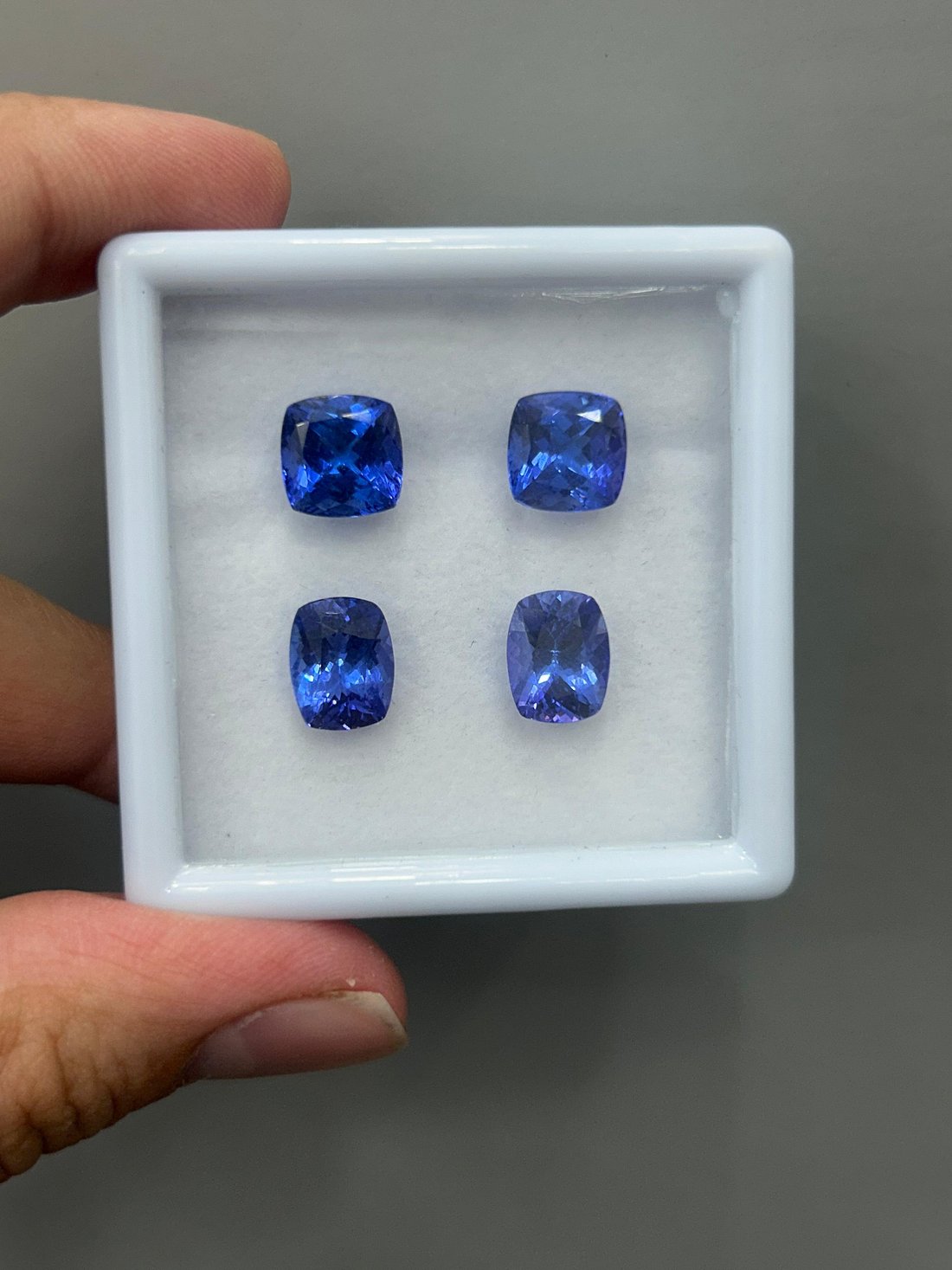
In many faceted gems, the crown is the upper part, the girdle is the outside edge, and the pavilion is the lower part. Pavilion depth and shape can vary. The face-up outline leaves these features out of view. GIA cut definitions
For a cabochon, Walker's examples also show that curvature can vary around corners and narrow ends. A bezel may need a profile suited to those variations. This supports examining the individual gem, rather than treating every oval or pear-shaped stone as interchangeable. Lucy Walker on bezel height
Request a side view when comparing loose stones for a design. Ask which dimensions the jeweller needs and whether the final fit must wait until the stone can be examined in person. Let the professional take the measurements needed for the work.

Illustrative stone dimensions
- Face-up outline
- Width: 5 mm. Length: 7 mm.
- Side profile
- Length: 7 mm. Depth: 3 mm.
Diagram text
This example has a 7 mm length, 5 mm width and 3 mm depth. These are three separate lengths; the drawing supplies no carat weight.
Fit includes the points of support
GIA's round-brilliant, angled-prong example calls for a bearing fitted without gaps. A gap can allow the stone to move. GIA prong-setting benchmarks
Condition belongs in the decision too. GIA's discussion of setting stresses explains that an extremely thin girdle, fractures or cleavage can affect how a stone tolerates the setting process. Even diamond can be damaged by excessive pressure. GIA gemstone durability paper
These are reasons to ask about examination, not instructions to push a stone into a mount to see whether it fits. Avoid trying on an unconfirmed setting at home.
A replacement stone deserves a fresh decision
Suppose an inherited ring needs a replacement gem. A seller offers an oval with the same listed length and width as the missing stone. Treat that match as a candidate to discuss. Ask the repairing jeweller to inspect the mount and approve the replacement before you buy it for this purpose.
Ask what can be preserved, what might need changing and whether a proposed alteration affects the appearance or care plan. Request the cost and scope before authorising the work.
Carats and millimetres explains size comparisons. Cabochon and faceted stone planning and the setting seat help turn those measurements into useful design questions.