Choosing tourmaline: separate colour, treatment and origin
Build a precise colour-zone and cut brief, with separate treatment and origin questions.
In this article
Which colours do you want in the finished piece?
You might prefer one colour, a clear boundary between two colours or a combination you did not expect. Describe the look in ordinary words, then ask to compare the exact tourmalines offered. For a commission, discuss which areas you want visible before agreeing to the design.
A mineral group with many appearances
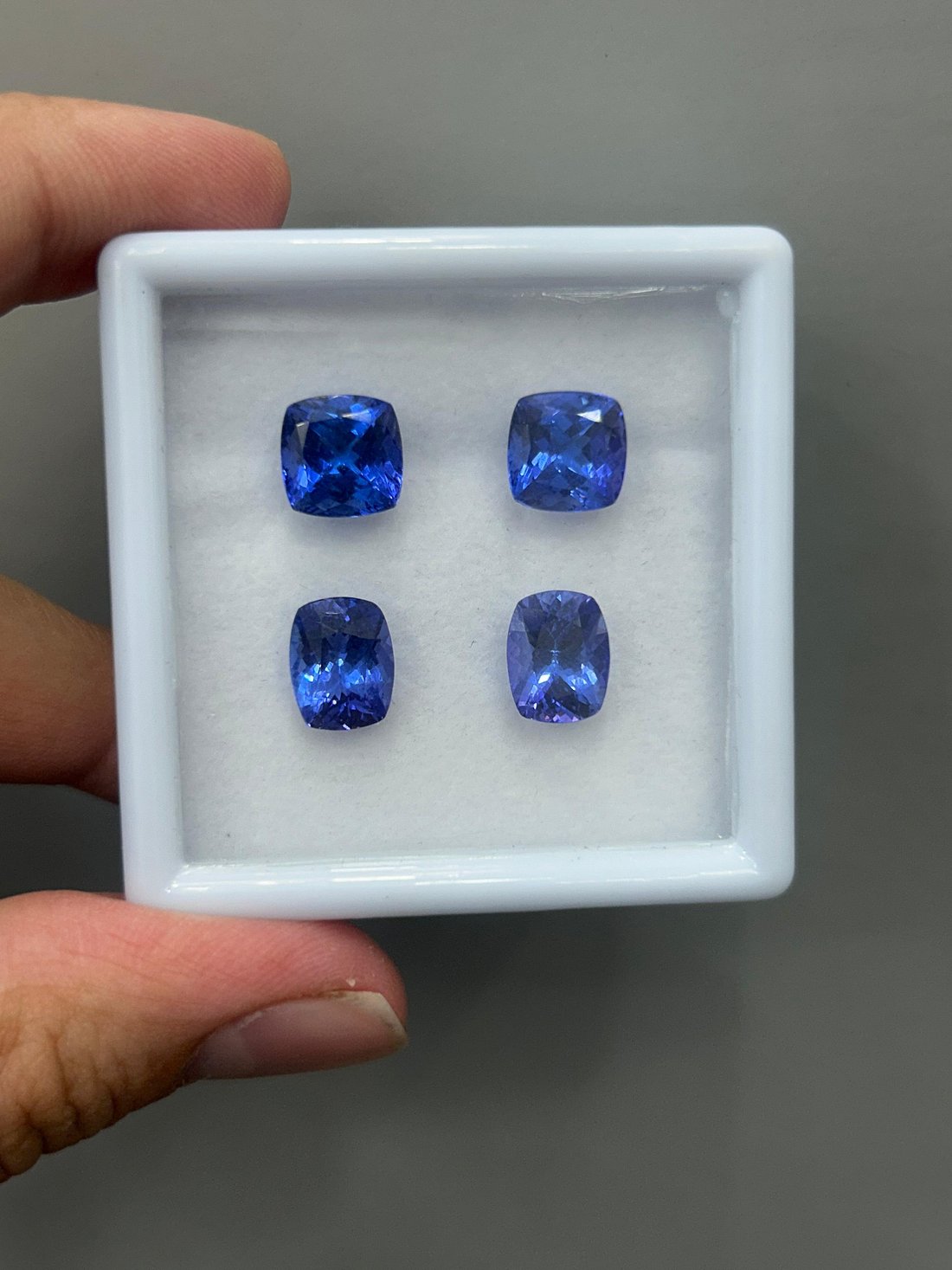
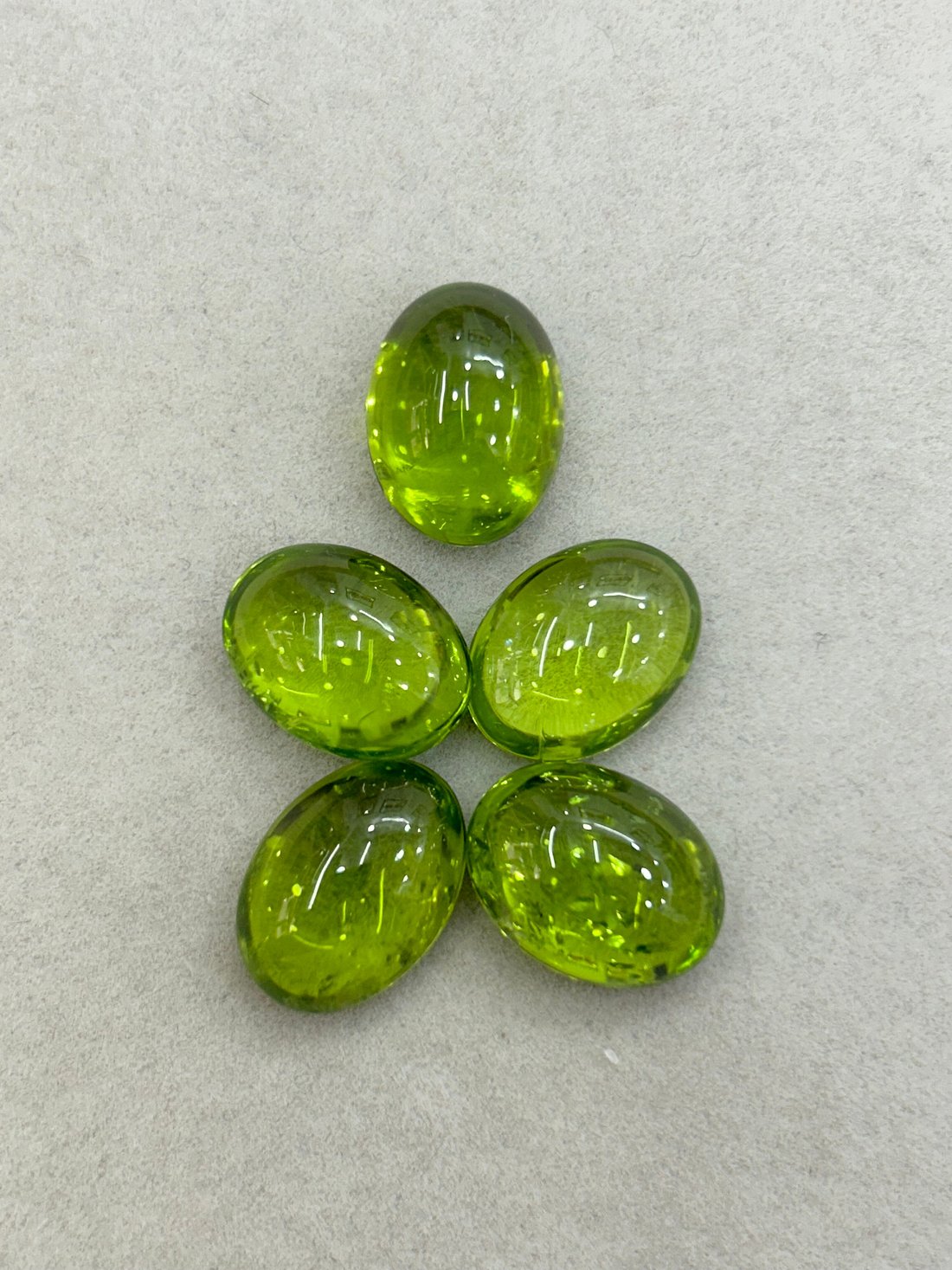
Tourmaline comprises related minerals sharing a crystal structure but differing in chemistry. It occurs in a very wide colour range. Names include rubellite for pink-red material and indicolite for blue material. Watermelon tourmaline has a pink centre with a green outer zone. Some tourmalines show a cat’s-eye in a cabochon, a smooth, domed cut. GIA: tourmaline description

Turn a colour preference into a design brief
For a hypothetical pendant with two colours, ask which zone will face outward and how the planned mounting relates to the colour boundary. For a single-colour ring, request views of the candidate in a comparable sequence to the alternatives. Our colour and lighting guide helps organise those observations. Ask what remains open for review before approving an unusual proposal.
Expect different clarity and cutting choices
Tourmaline can show markedly different colours in different crystal directions, a property called pleochroism. Cut orientation affects the finished appearance. Visible inclusions, features inside the gem, are more common and more tolerated in strongly coloured pink-red material than in green tourmaline. Very dark areas can reduce appeal. A shape name alone does not explain these choices. GIA: tourmaline quality factor
Ask the cutter’s question as a buyer
Request an explanation of how the proposed cut serves the stone’s appearance. Ask which dimensions and profile you should agree before the piece is made. Our cut and shape guide gives you a framework for that conversation. Write down what you like about a non-standard proposal before asking whether it fits your design; both questions deserve an answer, and they need not lead to the same decision.
Treat origin as a separate claim
A famous mining locality does not guarantee fine quality. GIA describes a premium for fine material with independently documented Paraíba origin. Its reports for eligible Paraíba material can include a geographic-origin opinion when possible. Ask what a locality claim means and which evidence supports it for the stone offered. GIA: buyers guide
Keep the paperwork beside the colour brief
Ask whether the quoted report relates to the exact candidate and whether any origin claim remains uncertain. The origin and sourcing guide helps structure the enquiry. Do not ask a locality name to decide whether you like a stone. Record the visual preference, treatment statement and origin evidence on separate lines so you can compare two proposals without letting one dramatic name overshadow the remaining questions.
Understand the care and treatment connection
Tourmaline has fair toughness, or resistance to breakage. Heat can alter colour, and sudden temperature changes can fracture it. Heating and irradiation may improve colour: GIA describes heat-related changes as stable and undetectable, while irradiated colour may fade under heat or bright light. Warm, soapy water is recommended; avoid ultrasonic and steam cleaning. GIA: tourmaline care cleaning
Agree on the final handover
Ask for care instructions that cover the whole design and request a written treatment description. Our treatment disclosure guide supports the discussion. Finally, review the arrangement you wanted to see. Can you explain why the actual colour, orientation and design answer your brief? A useful choice is one you can describe from the stone and the evidence, without depending entirely on a trade name.