Choosing morganite: compare pink colour and treatment evidence
Build a precise colour and setting brief without relying on the name pink emerald.
In this article
Which pink suits the piece you have in mind?
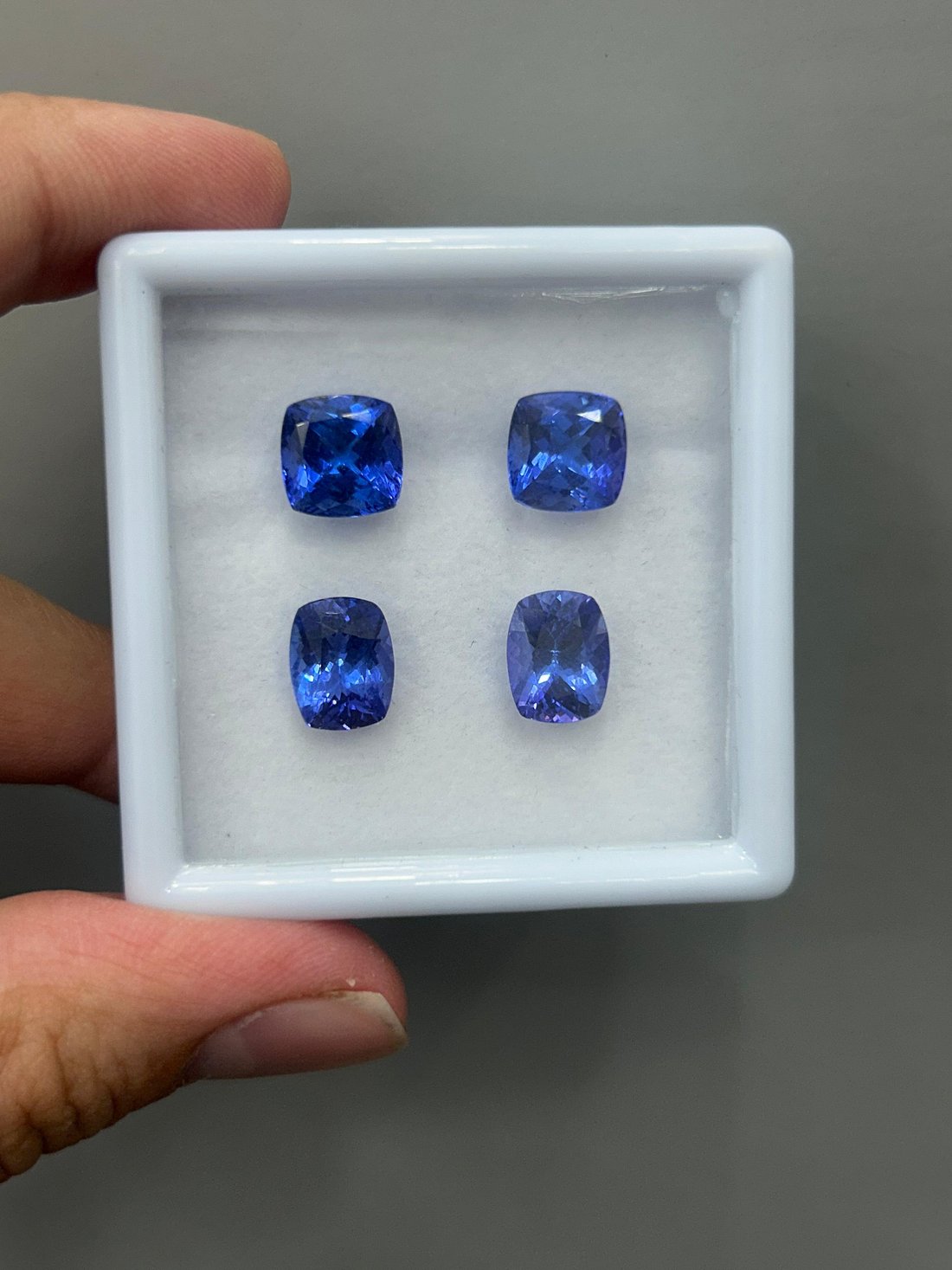
Suppose you are choosing a morganite pendant. One candidate has the shade you like; another has the outline you prefer. Keep both on the shortlist and name the detail you would miss if you chose the other. Ask for comparable views before deciding which trade-off you prefer.
A beryl with its own identity
Morganite is pink to orange-pink beryl, coloured by manganese. It commonly shows lighter tones and different shades in different crystal directions. Large crystals can yield sizeable cut gems. Brazil is an important source, with other locations also producing material. Its connection to emerald and aquamarine is a mineral-family relationship, not an identical appearance. GIA: morganite, GIA: morganite description
Create a comparison you can revisit
Write your colour preference in ordinary language and ask the seller to show how the actual stone relates to it. Request the same viewing information for each candidate. Keep your notes beside the quotation so you can return to the comparison after the first impression. Our colour and lighting guide helps organise this exercise.

Ask what produced the colour
Heat treatment commonly removes yellow or orange components from morganite, leaving a purer pink. GIA says the treatment is not detectable and the resulting colour is stable. Untreated peach or salmon colours also have collectors. Treatment information and your colour preference should therefore be recorded as separate parts of the decision. GIA: morganite quality factors
A useful disclosure conversation
Ask the seller what treatment information they can supply, rather than asking them to prove a claim a test may not resolve. Keep uncertain answers visibly uncertain in your notes. The treatment disclosure guide gives you a vocabulary for that conversation. If you are comparing quotations, ask which documents and which exact stone each quotation includes. Do not let an unanswered question disappear when you move from the loose stone to the jewellery design.
Use the correct name on the record
GIA does not accept “pink emerald” as a name for morganite. The Institute recommends morganite or pink beryl. Faceted material often has no visible inclusions, features inside the gem. More included pieces may be carved or cut as cabochons, smooth domed shapes. A meaningful description identifies the material and the individual stone rather than relying on a promotional comparison. GIA: buyers guide
Review dimensions as a design choice
For your hypothetical pendant, sketch the outline at the stated dimensions. Consider where you want the piece to sit and how prominent you want it to look. Ask the jeweller to explain the proposed profile before you agree. The carat and millimetre guide supports a clearer size comparison. The purpose of this exercise is to request an understandable proposal, not to turn a sketch into a substitute for reviewing the actual work.
Make the cleaning instructions specific
Morganite measures 7.5–8 on the Mohs scale but still needs protection from scratches and hard knocks. GIA recommends warm, soapy water. Steam and ultrasonic cleaning are usually suitable only without fractures or liquid inclusions. Rare fracture-filled material should use warm, soapy water only. Avoid unnecessary heat. GIA: morganite care cleaning
Close the brief with a handover
Keep the gemstone description, treatment information, dimensions and complete-piece care instructions together. Use our mixed-gemstone cleaning plan if the design combines materials. Then revisit your initial shortlist: which candidate still answers the colour and design brief best? Keep any unanswered disclosure question on the shortlist until it is resolved.