Mineral specimen or jewellery gemstone: decide what you want to own
Choose between a mineral specimen and a jewellery gemstone by clarifying what you want to preserve, display or wear.
In this article
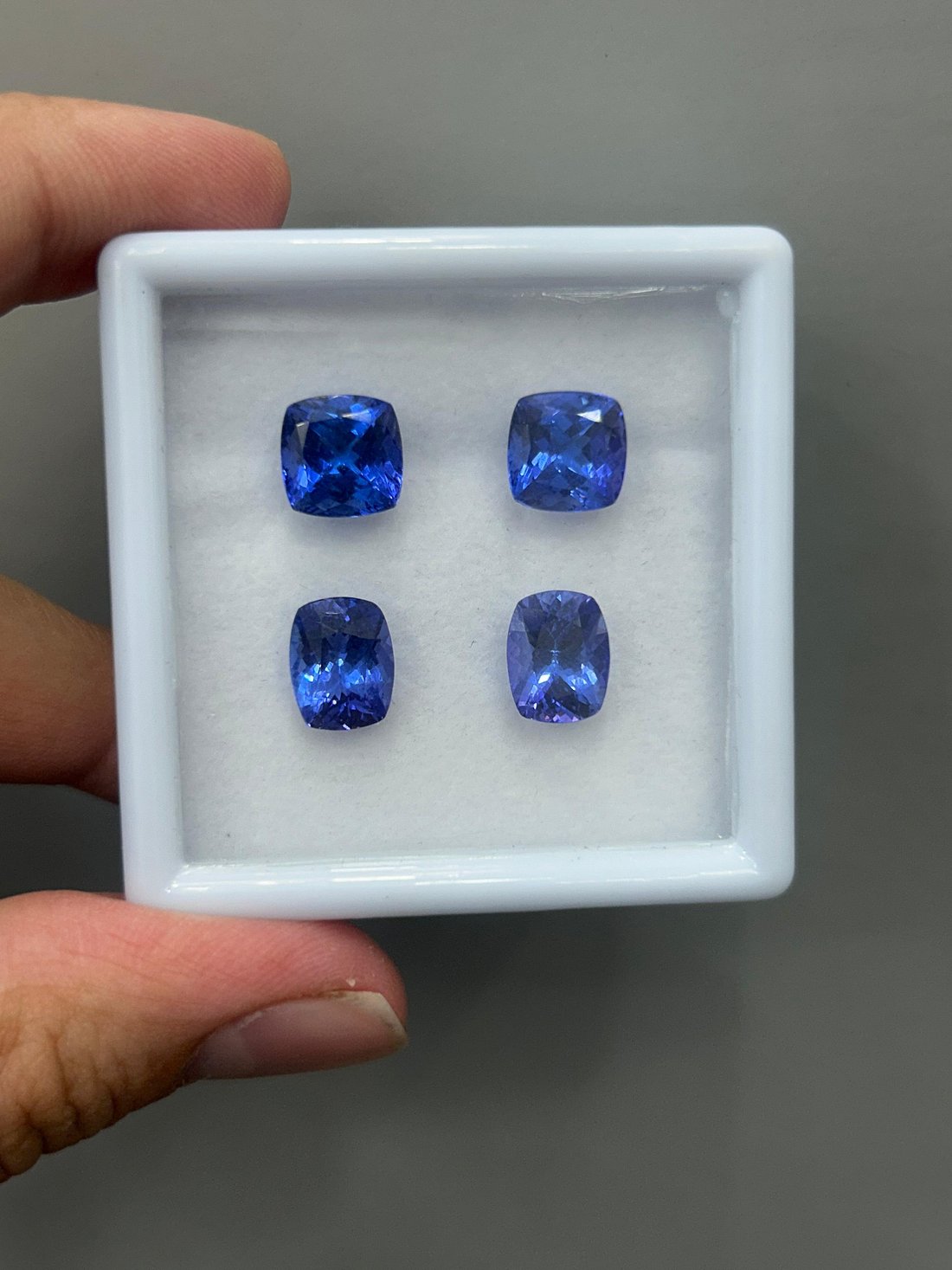
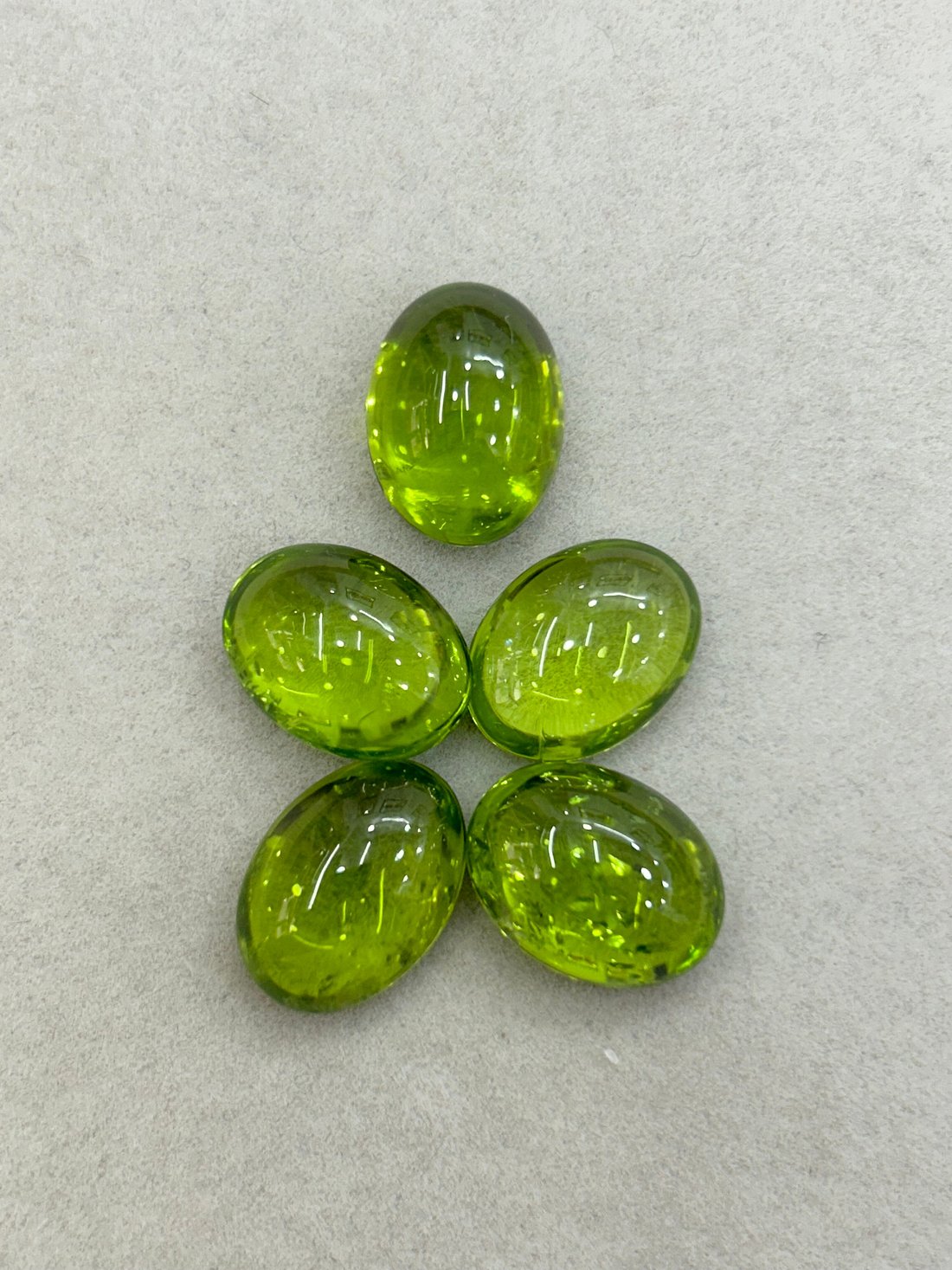
A mineral specimen and a jewellery gemstone can be valued for different reasons. A specimen may interest you because of its natural form or relationship to the surrounding material. A jewellery purchase starts with how a particular stone will work in a complete piece. Decide which experience you want before asking whether one is “better.”
The Smithsonian distinguishes natural crystal faces formed during growth from facets cut and polished by a lapidarist. It describes suitable mineral crystals being fashioned into gems according to qualities such as beauty and durability. That explains one route from mineral to jewellery, but it does not mean every mineral specimen should be cut. Smithsonian mineral and gem explanation
Write the purpose first
For a display purchase, describe what you want to look at or learn about: the crystal shape, a visible feature, the arrangement of several minerals, or a documented locality. Ask which part of the specimen provides that interest and what the seller has established about it.
For jewellery, describe the piece you have in mind and how you intend to use it. Take those requirements to a jeweller before buying a specimen with the expectation of converting it. The loose-stone setting guide helps you prepare that discussion.
You can collect both. Keep the reason for each purchase explicit so a spectacular display photograph does not quietly become a promise about a future ring.

Choose the purpose first
Ask about the actual object and its condition.
- Display specimen
- What do you want to preserve or study?
- Jewellery project
- What must the complete piece do?
Diagram text
Display specimen: What do you want to preserve or study?. Jewellery project: What must the complete piece do?.
Ask about the object as it stands
Request a clear description of what is being sold, its dimensions, and any stated repairs, coatings or modifications. Ask for photographs showing the whole object and a reference for scale. If a feature matters to the purchase, make sure it concerns the offered specimen rather than an illustrative image.
For a locality claim, ask what record supports it. Write the seller’s statement and its source separately. A label can be useful to a collection while still containing information that has not been independently established.
Do not turn an appealing colour into a definitive material identification. The species and varieties guide helps with terminology, and the laboratory-report guide explains professional evidence when a material question matters.
Consider preservation before alteration
If you are tempted to cut or drill a specimen, first identify what you would lose and what you hope to gain. Ask a suitable professional whether the plan is feasible for that actual material and condition. Request an explanation of uncertainty rather than a guaranteed finished result.
You might decide that preserving the specimen answers your original brief. Alternatively, you might choose an already fashioned stone for the jewellery project. Those are two practical ways to avoid buying one object while expecting another.
The rough versus polished guide covers the particular uncertainty of a cutting outcome. The recutting guide concerns decisions about an existing fashioned gemstone.
Plan how you will keep it
Ask for handling, support and storage advice for the actual specimen or completed jewellery. If its materials or construction are uncertain, leave cleaning to an assessment rather than apply a jewellery wash to a display specimen.
Keep the seller’s description, photographs and any professional findings with the collection record. Label what is established and what remains a reported claim. Your record should allow you to enjoy the object’s appearance without adding a history or use that has never been verified.