Gemstone species and varieties: understand the family names
Understand gemstone species, varieties and groups, then separate those family names from natural formation, treatment and individual quality.
In this article
What can a gemstone family name tell you about the stone you are considering? Use the name to understand the material relationship, then examine the individual gem. A useful description identifies the material clearly and leaves appearance, treatment and evidence as separate parts of the comparison.
Species describes the mineral identity
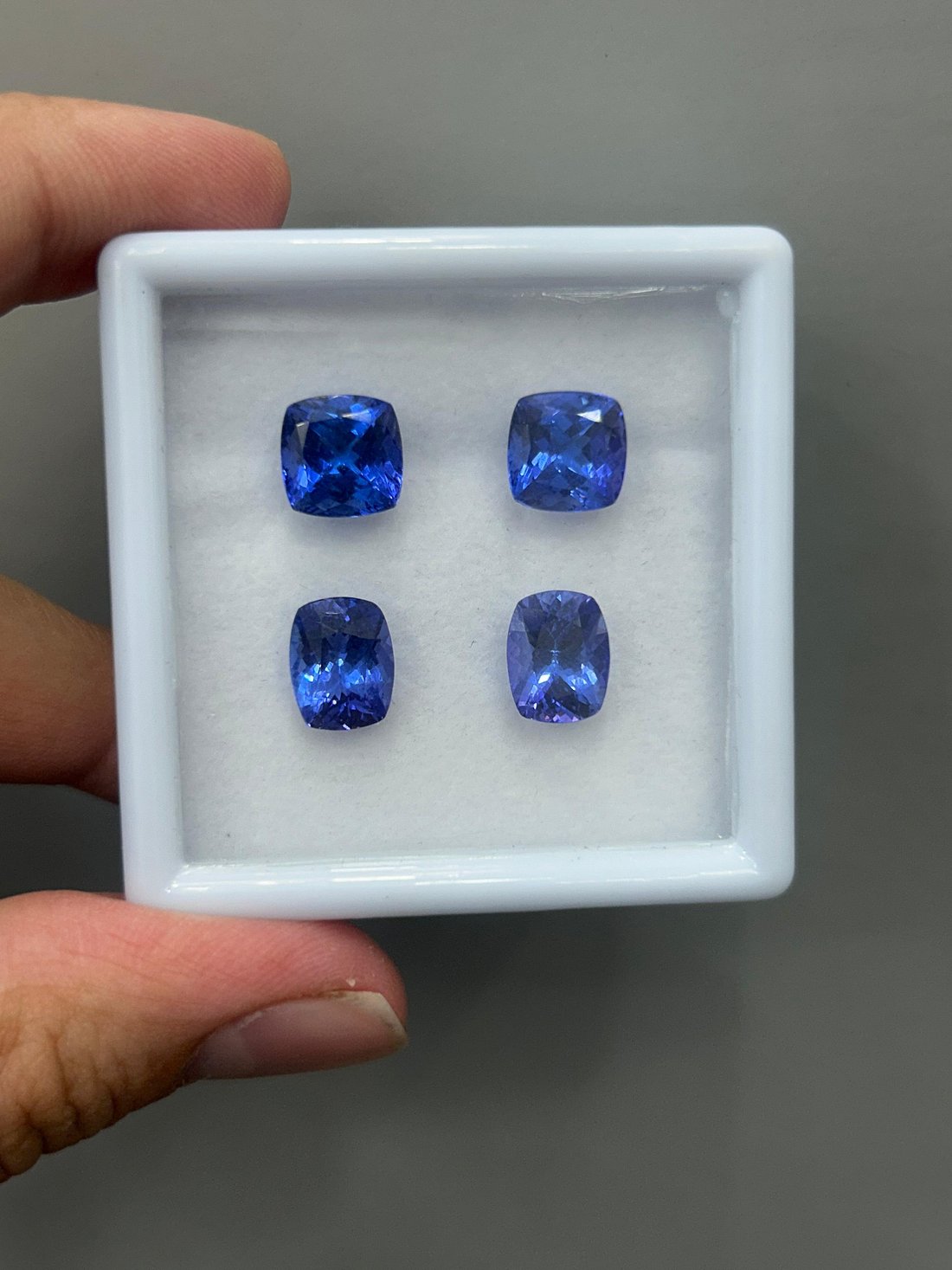
A mineral species is defined by chemical composition and crystal structure. Beryl is a species that includes aquamarine, emerald and morganite. Ruby and sapphire are varieties of corundum. These relationships explain why several familiar gem names can sit under one mineral name. IGS on species and varieties
Read species and variety fields together. “Emerald” and “beryl” can refer to different levels of one description. Check the variety field and comments before deciding there is a contradiction.

Species and varieties
These are naming relationships, not quality grades.
- Beryl
- Aquamarine Emerald · Morganite
- Corundum
- Ruby · Sapphire
- Another question
- Natural or manufactured formation?
Diagram text
Beryl: Aquamarine. Emerald · Morganite. Corundum: Ruby · Sapphire. Another question: Natural or manufactured formation?.
Variety names describe distinguishing features
A variety can be distinguished by colour or an optical effect. IGS gives cat’s-eye chrysoberyl and star sapphire as phenomenon-based examples. The effect adds to the material name; it does not establish identity. IGS variety examples
The star and cat’s-eye viewing guide helps you inspect those effects. If your question concerns what the stone actually is, keep it separate from how attractive you find the effect.
A group contains related species
GIA’s gem-identification introduction describes garnet and feldspar as groups containing related mineral species. Garnets can also be mixtures within compositional series; a species term indicates the dominant species or mixture. “Garnet” is therefore a broader family description than a name such as pyrope or almandine. GIA on groups and species
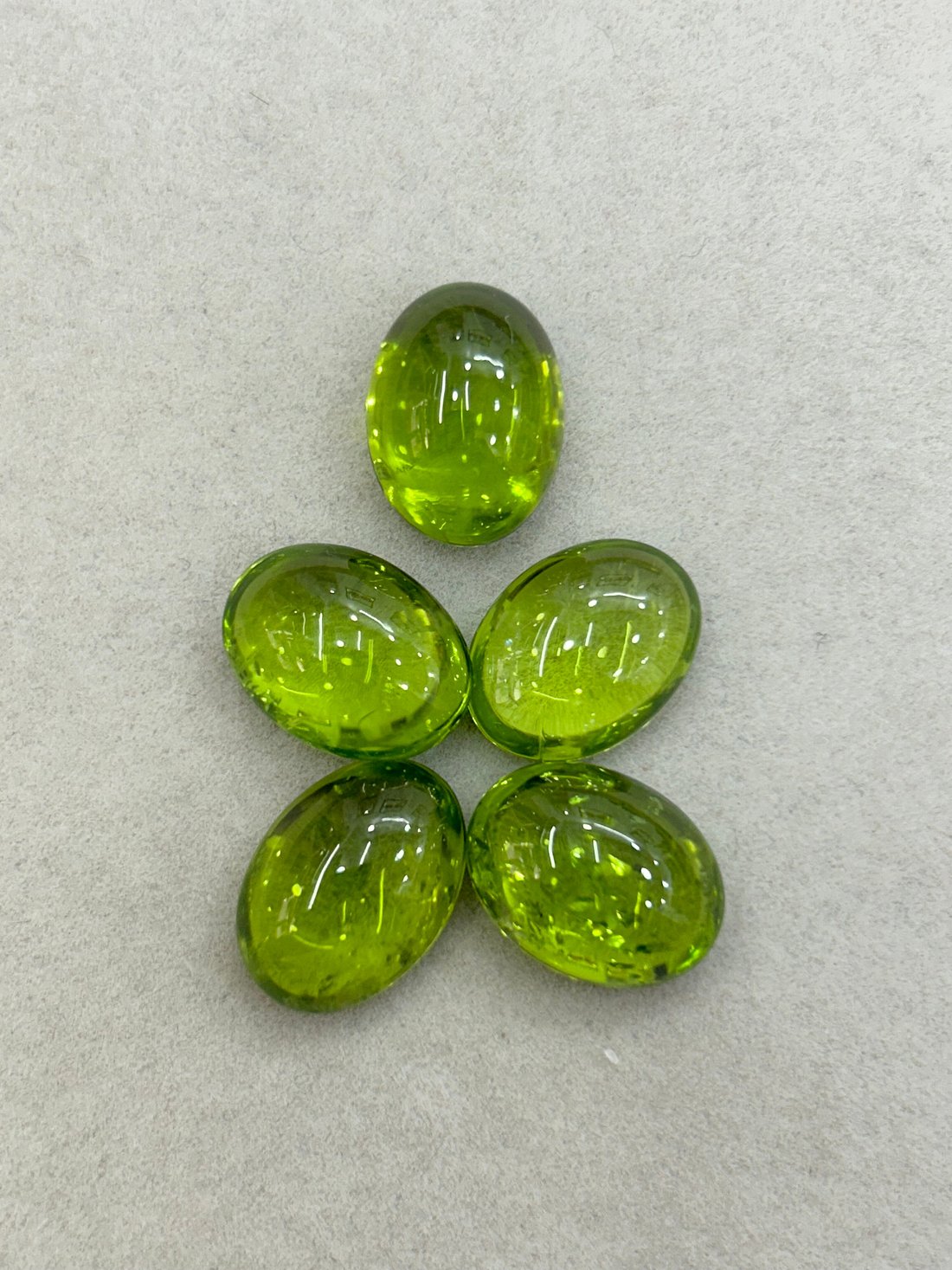
For a practical shortlist, copy the fullest supported name from the description or report. If a seller uses only a broad group name and a narrower identity matters to you, ask whether it has been established. Avoid inventing a more specific variety from the colour in a photograph.
Formation remains a separate question
A synthetic gem shares virtually all the chemical, optical and physical characteristics of its natural counterpart. Naming a mineral species alone therefore does not establish natural formation. Ask whether the material is natural or manufactured and read any related report wording. GIA on synthetic materials
Compare individual qualities after identity
IGI’s coloured-stone service description separates identifying species and variety from other recorded characteristics and treatment comments. Use that distinction when reading an offer: the name answers an identity question, while other findings address different features. IGI coloured-stone reports
Imagine two gems carrying the same confirmed variety name. Your comparison still needs the colour you prefer, dimensions, condition, treatment disclosure and the intended design. Write those points beside each item instead of turning the family name into a grade.
The quality buying questions help you make that comparison. The natural synthetic and imitation guide explains formation and lookalikes. Learn the family names so you can ask better questions, then let the evidence and the actual gem answer them.