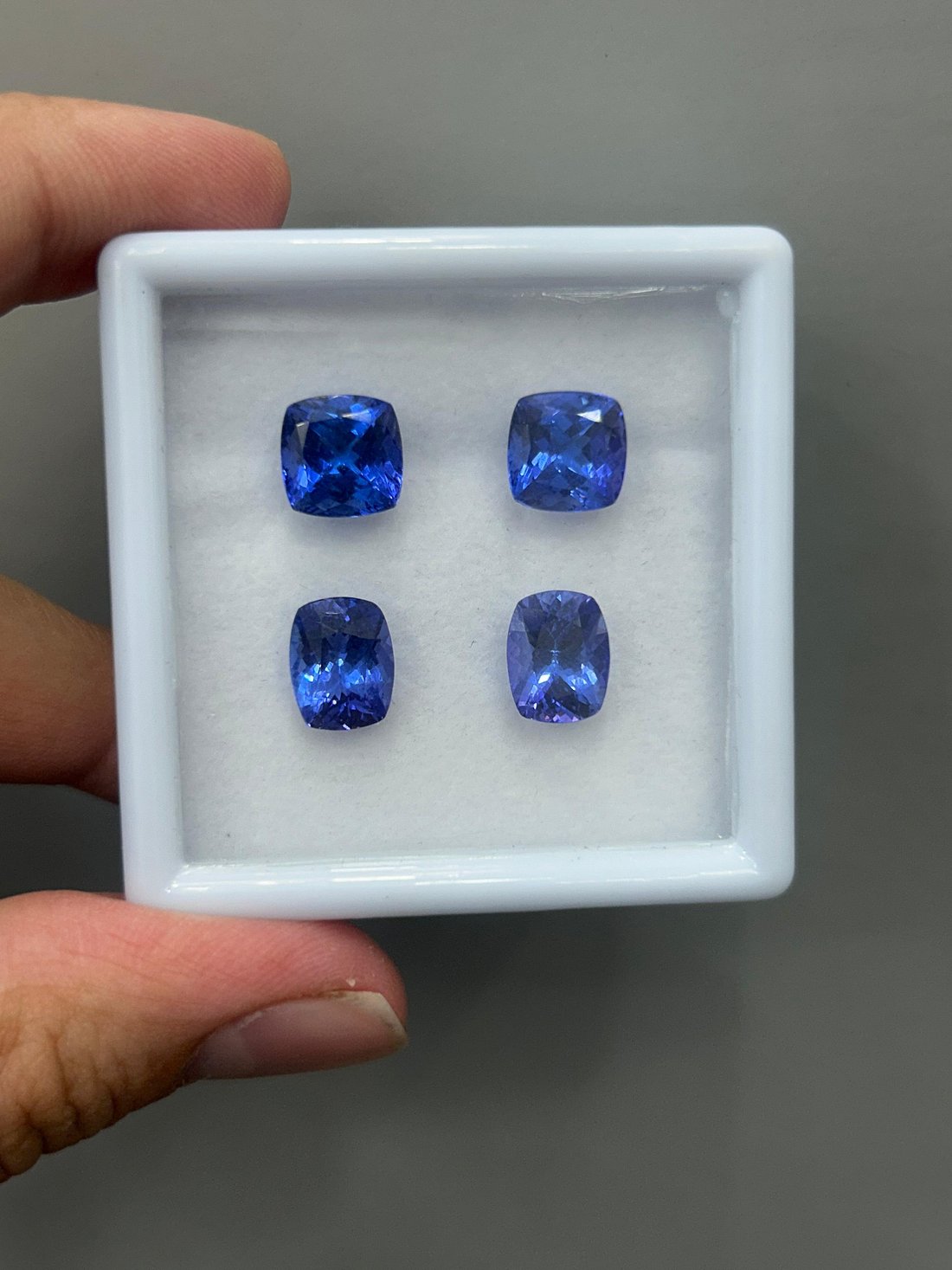
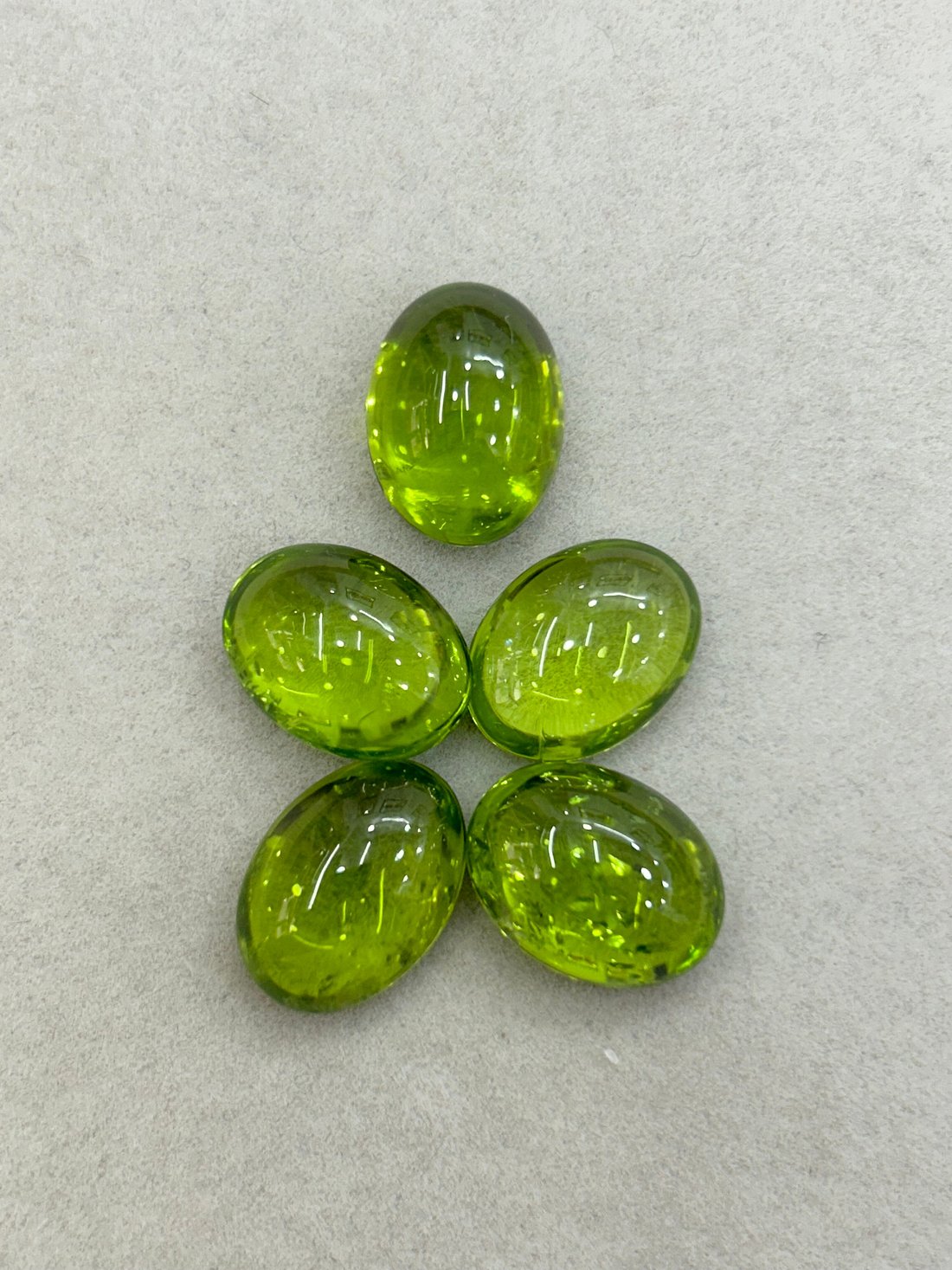
Should a gemstone be recut? Questions before changing it
Consider gemstone recutting with a clear brief covering the desired change, weight and dimension trade-offs, sentimental value and setting fit.
In this article
Should you recut a gem you already own? Begin with the change you want and what you want to preserve. Ask a qualified cutter to examine it before agreeing to work. A useful proposal should explain the intended result, the changes you would accept and the uncertainties that remain.
Describe the problem without prescribing the remedy
Write down what bothers you: a damaged area, an appearance you dislike or a mismatch with a new design. Include photographs taken for that concern and the material description you have. Ask the cutter whether the appropriate option is a limited repolish, a repair, a redesign or leaving the stone as it is.
Moriarty’s Gem Art separates identifying inclusions, faceting and polishing in its cutting education. This is a useful reminder to ask what work your proposal actually includes. A brief saying “improve the cut” leaves too much unstated. Moriarty’s cutting guide
Ask what would be traded away
GIA’s profile of cutter Rex Guo describes balancing finished weight, colour and light performance. Guo measures an existing stone and explores alternative designs before selecting a recut. A design that preserves more weight can differ from one chosen for stronger light performance. Those are choices to discuss, rather than evidence that every recut improves every feature. GIA’s recutting account
Ask the cutter for the expected finished outline and dimensions, the weight estimate and the visual change they are aiming for. Have them distinguish measured facts from forecasts. If a boundary matters to you, such as retaining the outline of an inherited stone, put it in the approval brief.

Make the recut brief explicit
A proposal contains forecasts as well as measured facts.
- Change
- Describe the concern and desired result
- Preserve
- Name the features you want to keep
- Coordinate
- Have the jeweller review the proposed fit
Diagram text
Change: Describe the concern and desired result. Preserve: Name the features you want to keep. Coordinate: Have the jeweller review the proposed fit.
Include the setting in the decision
Total and pavilion depth are different measurements. Ask the jeweller to review both against the mount when a recut changes the geometry. Dyer’s depth guide
If you want to retain the existing mount, ask whether it can accept the proposed result and whether alteration would be needed. If a new mount is planned, have the jeweller review the cutter’s proposal. Request separate quotations for the stone work and the jewellery work so you can review the complete project.
Decide what success means to you
For a sentimental gem, preservation may matter more than a different appearance. A hypothetical inherited stone could have an outline you recognise from family photographs. If keeping that outline is your priority, say so before the cutter explores a bolder design. You may decide that examination alone answers your question.
Ask for a record of the stone’s starting condition, the work authorised and the point at which further changes would require your approval. Give the cutter all known treatment information and ask them to address it in the risk discussion. Agree how the finished measurements and any remaining concerns will be documented.
Use the cut and shape guide to describe the appearance you want and the setting checklist to coordinate the design. Leave resale value out of the promise unless a separate, appropriate valuation supports it. The right choice is the proposal whose changes you understand and genuinely want.