Matching gemstone earrings: decide what should match
Compare gemstone earrings by face-up appearance, colour, dimensions and design priorities, with a clear brief for intentional variation.
In this article
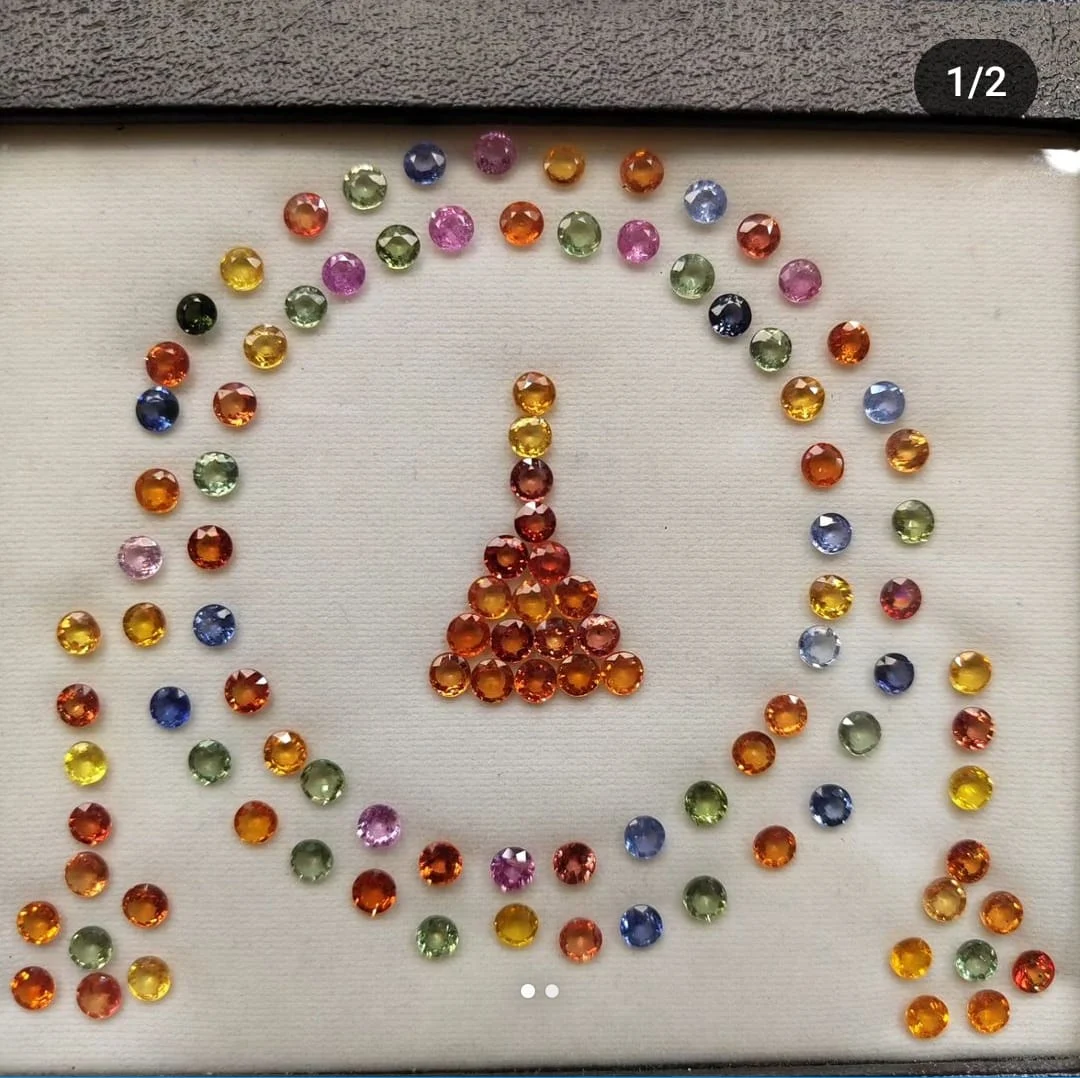
How closely should two gemstones match in earrings? Start with the finished look you want, then decide which differences would bother you. A pair designed to feel symmetrical needs a different brief from a pair chosen for contrasting colours or shapes. Put that intention into words before comparing candidates.
If the format names are unfamiliar, start with the earring types guide before comparing the stones.
Set the visual priority
Choose your most important point of agreement. It might be a similar face-up outline, a close colour relationship or an equally lively appearance. For your shortlist, describe that priority in a sentence such as “Both earrings should read as the same shade of green at conversation distance.” Treat the sentence as your design brief, not as a universal matching grade.
Lotus Gemology separates hue, saturation and tone in ruby and sapphire descriptions. They distinguish colour family, strength and lightness. Lotus colour terminology
Compare the pair together
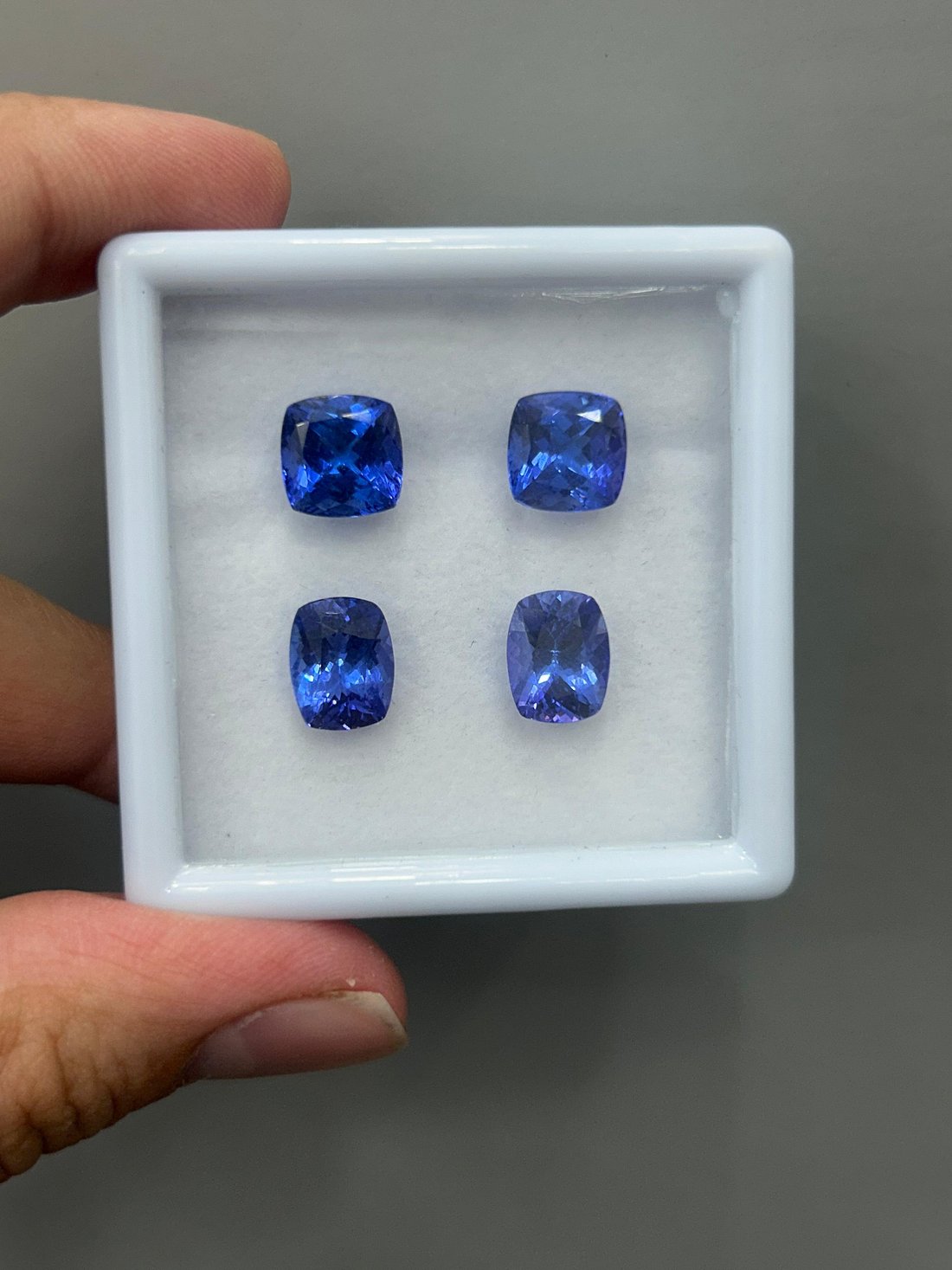
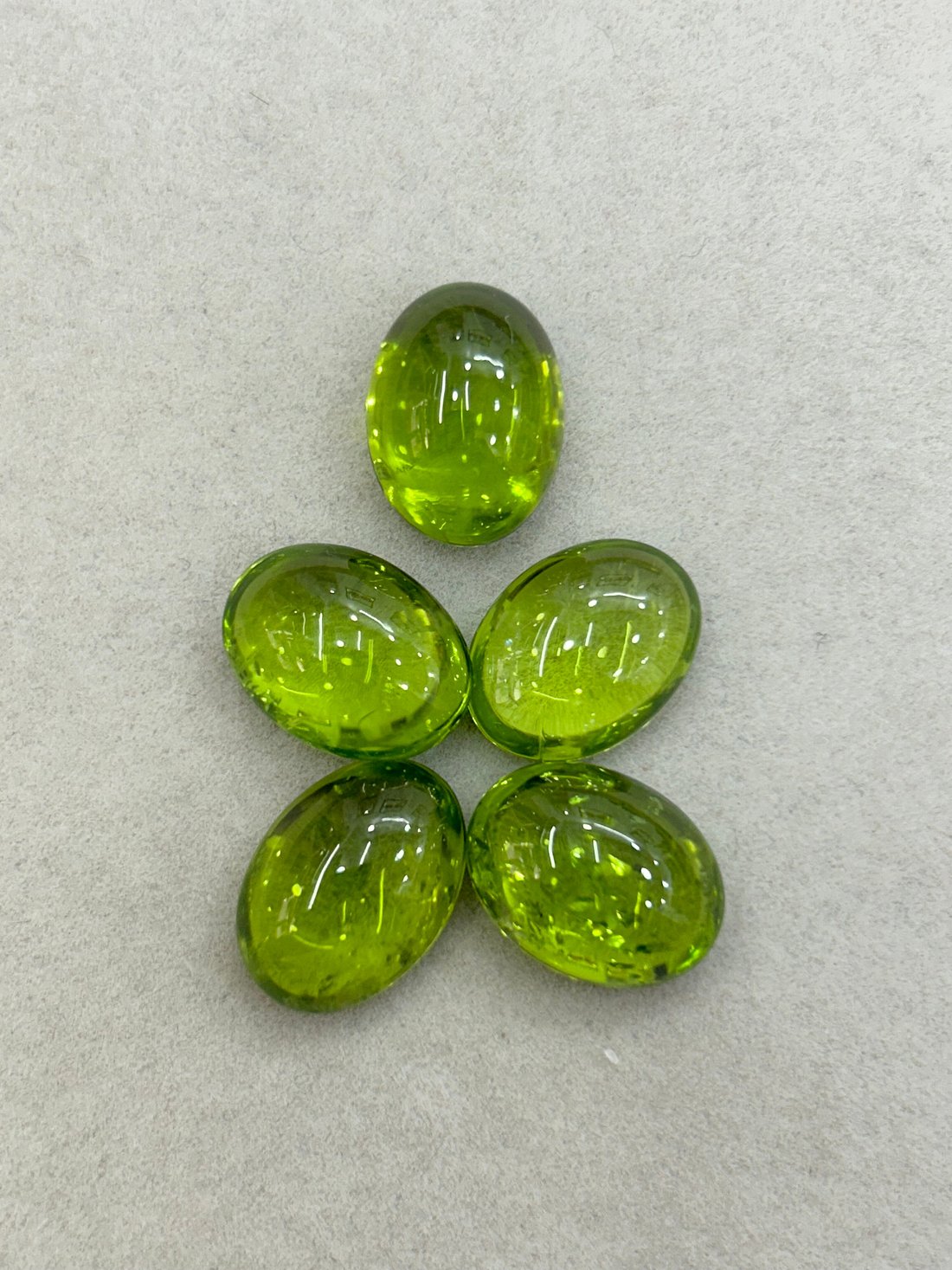
Request a photograph and a continuous movement video with both stones side by side in the same setup. Ask for an actual-size reference and the measurements of each stone. Then request a second view representing the position they would occupy in the proposed earrings. Keep each stone identified in your notes so you can trace any difference you notice.
GIA research on faceted coloured stones explains that light-and-dark contrast patterns influence perceived brightness. Facet design and movement contribute to the appearance, so similar colour descriptions alone do not establish similar face-up performance. GIA on face-up appearance
Use that viewing sequence to answer your own brief. If one stone appears quieter, ask to repeat the comparison with their positions swapped. Record what you observed without diagnosing a cut defect from a single frame. If the difference remains distracting to you, ask to compare a different candidate.

Decide which differences are deliberate
For an intentionally varied pair, write down the relationship you want preserved. A hypothetical design might use different colours but the same outline. Another might use different shapes with a shared colour. Ask the jeweller to show the complete proposal, including the mounting, before you approve the stones.
If you accept an asymmetry, name it in the agreement. That helps everyone distinguish an intended design choice from a mismatch discovered later. You do not need to reject variation simply because another buyer would choose a closer pair.
Keep evidence for both stones
Ask for each stone’s identity and treatment disclosure rather than relying on a statement that “the pair is natural.” If reports are supplied, have the seller connect the respective document with the correct stone. Make a note of any differences in the evidence and ask whether they affect your decision.
Have the jeweller check the actual dimensions and fit of both stones before finalising the mounts. The loose-stone setting guide provides a design checklist. For closer colour comparisons, read the colour and lighting guide. Finish by viewing the pair as a pair and checking it against the brief you wrote at the start.