Earring types explained: shape, movement and fastening
Understand stud, hoop, huggie and hanging-earring labels, then compare the actual movement, attachment and fastening.
In this article
Describe an earring in more than one way. Start with its shape, then look at the hanging elements and fastening. This makes a format name useful without expecting it to answer every question about the pair.
Recognise the main style labels
Pandora describes a stud as a front sitting close against the earlobe, attached to a pin through the ear. Stud structure
The Jewellery Design and Management International School’s course notes describe hoops as earrings in the form of rigid metal loops. Jewellery-format course notes
Pandora’s guide describes studs, hoops, close-fitting hoops called huggies, and drops with a bead, stone or charm below the ear. The guide also uses the label dangle. Check the actual example rather than imposing a sharp drop-versus-dangle boundary. Pandora earring guide
Request a front and side view at a stated scale. Ask which elements are fixed and which can move during ordinary wear. A seller’s word choice can begin that conversation, but a view of the offered piece should finish it.

Identify the attachment and closure
Look at the back separately from the front. Ask how the earring is attached and secured, and request the closure’s name if it is unfamiliar. A hoop-shaped front does not answer which fastening the actual design uses.
For pierced earrings, ask for the post or wire dimensions and the material descriptions of the contact parts. For a non-pierced design, ask how its fitting is intended to sit. This guide does not provide piercing instructions or promise that a particular closure suits every ear.
The earring comfort guide helps compare the complete weight, fit and fastening. Avoid assuming that one style is always lighter, more comfortable or better for daily wear.
Make a useful comparison
Try this hypothetical shortlist. You want an earring visible below your hair but would prefer little movement. Record the overall drop and ask which parts move. A different reader might enjoy a moving element and use the same questions to find it deliberately.
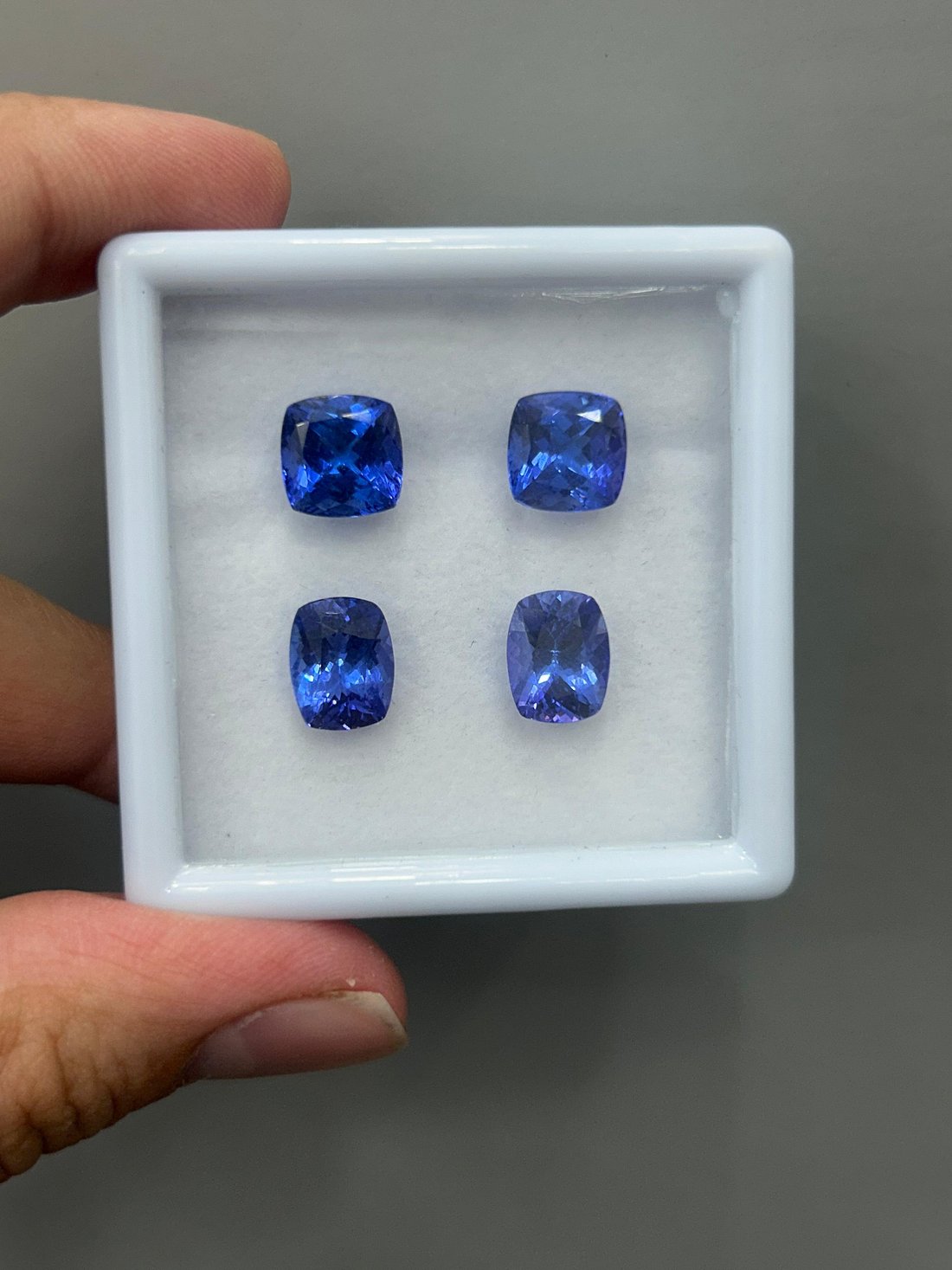
Keep format and material on separate lines. “Drop earring” describes a design label; ask for the stones, metal, coatings and contact components too. If the pair contains gemstones, the matching-earring guide handles the separate question of how closely you want those stones to agree.
Before choosing, you should be able to describe the front shape, attachment, closure, dimensions and movement of the actual pair. Leave an unanswered field open. A detailed description is more useful than selecting a style name and hoping the rest follows.