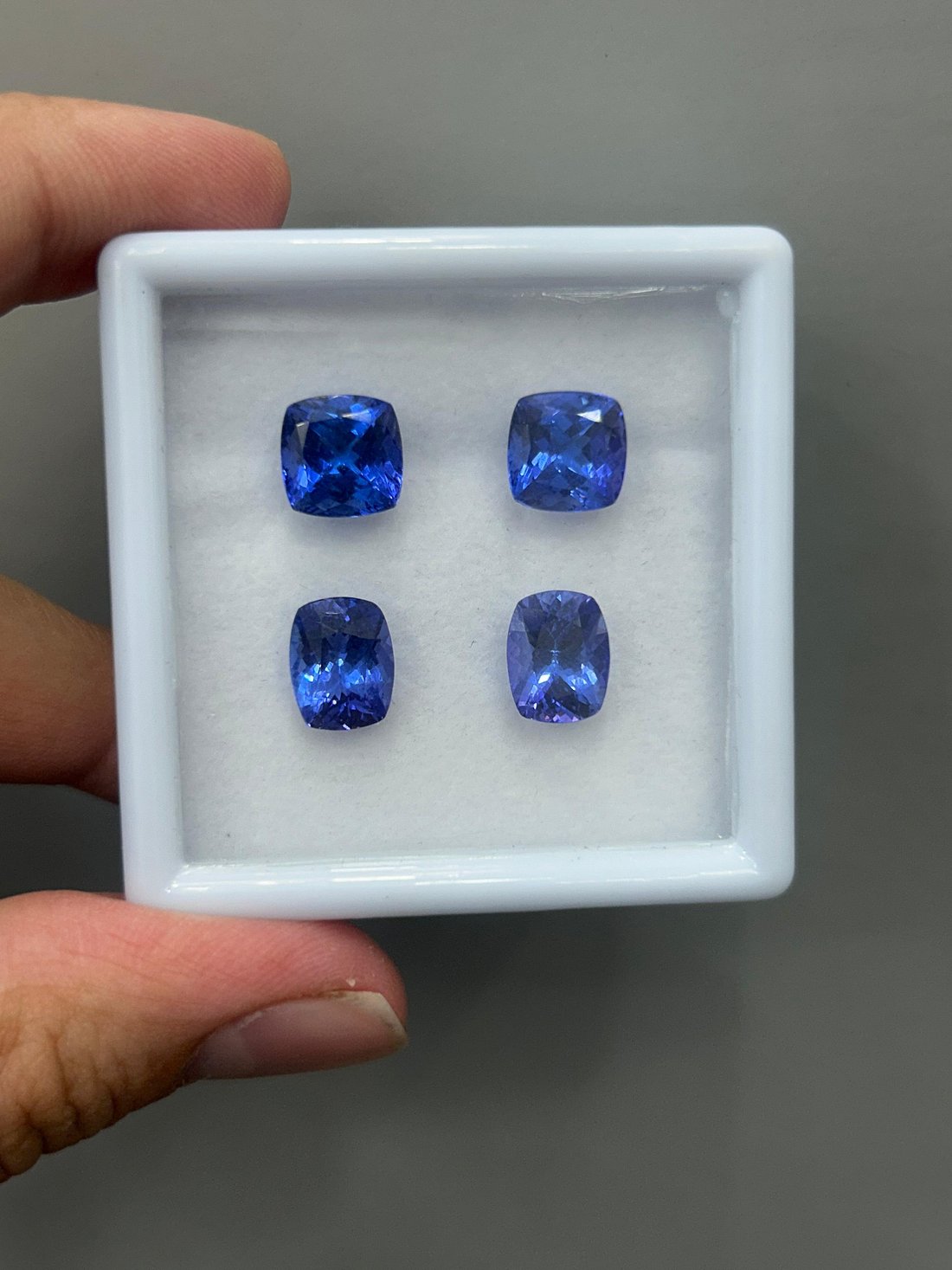
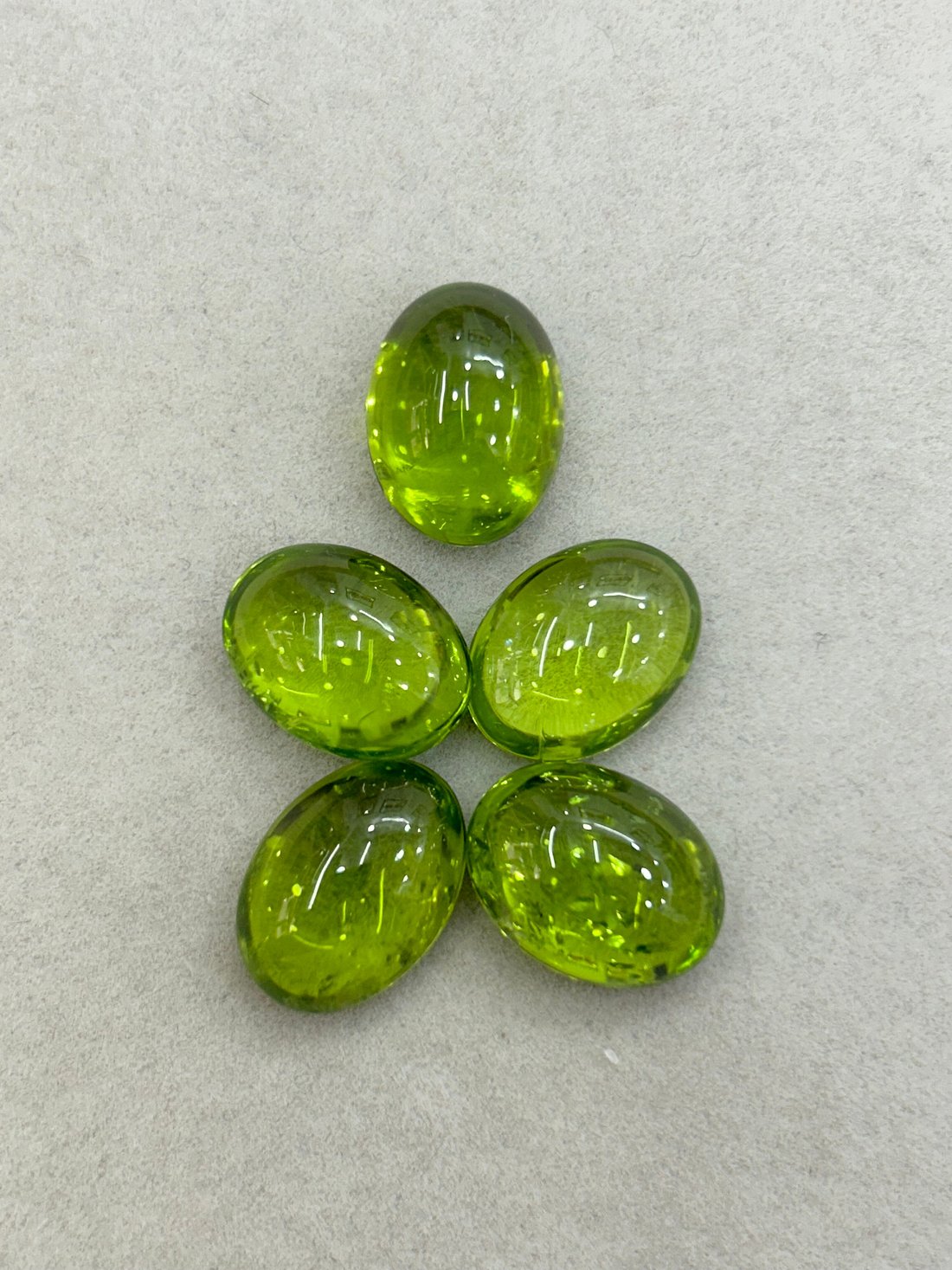
Choosing iolite: compare colour from different angles
Choose an appearance across viewing angles and agree on a realistic wearing brief.
In this article
Which view of the stone do you like?
If two iolites appeal to you in different views, ask to compare them in the same viewing sequence. Note what you enjoy face-up, tilted and from the side. Then tell the jeweller which view you want the finished piece to show. Start with your observations before reading the seller’s description.
Why direction matters
Iolite is cordierite, usually blue to violet. It shows strong pleochroism: different crystal directions reveal different colours, sometimes yellowish or nearly colourless. Cutters therefore have to orient it carefully. It is commonly faceted; smooth, domed cuts called cabochons are also made. Fine examples above five carats are uncommon. GIA: iolite description

Decide how you will compare the candidates
Ask to view each stone face-up, tilted and from the side. Use the same sequence for both, then note which view matters most to you. For a pendant, describe the position in which you expect to see it. For a ring, ask to review the proposed orientation before committing. The colour and lighting guide offers a framework for organising those observations.
Colour and inclusions need context
Iolite commonly has few inclusions, features enclosed within a gem. Long, parallel tubular inclusions can create a cat’s-eye when a cabochon is correctly oriented. Metallic platelets can produce aventurescence, a sparkling effect. An included stone with one of these effects presents a different visual brief from a transparent faceted gem. GIA: iolite quality factors
Ask for a complete description
Give each shortlisted stone a simple record: what you see, what the seller says and what evidence you have received. A phrase such as “very clear” belongs in the seller’s description until you understand what it means in that particular comparison. Ask whether your quotation identifies the exact stone shown and what happens if the finished piece differs from the agreed brief.
Know what the report is answering
GIA evaluates iolite but does not assign it a quality grade. Its identification report records characteristics of the stone, identifies natural or laboratory-grown material, and states detectable treatments. That is a different task from choosing the appearance you enjoy or deciding what a particular piece is worth to you. GIA: buyers guide
Plan for knocks before choosing a setting
Iolite has one cleavage direction, a plane along which a sharp blow can split it. High heat or abrupt temperature changes can also cause breaks. Protective mountings, earrings and pendants reduce exposure to rough wear. GIA recommends warm, soapy water and advises against steam or ultrasonic cleaning. Iolite is not normally treated. GIA: iolite care cleaning
Turn the facts into your wearing brief
List the occasions for which you want the piece, then discuss that list with the jeweller. Ask them to explain why the proposed mounting suits your plans. Use the durability guide to organise the conversation, and keep the agreed care instructions with the purchase record. For help understanding the evidence, read our laboratory report guide. Before choosing, check that the proposed orientation still shows the view you preferred.