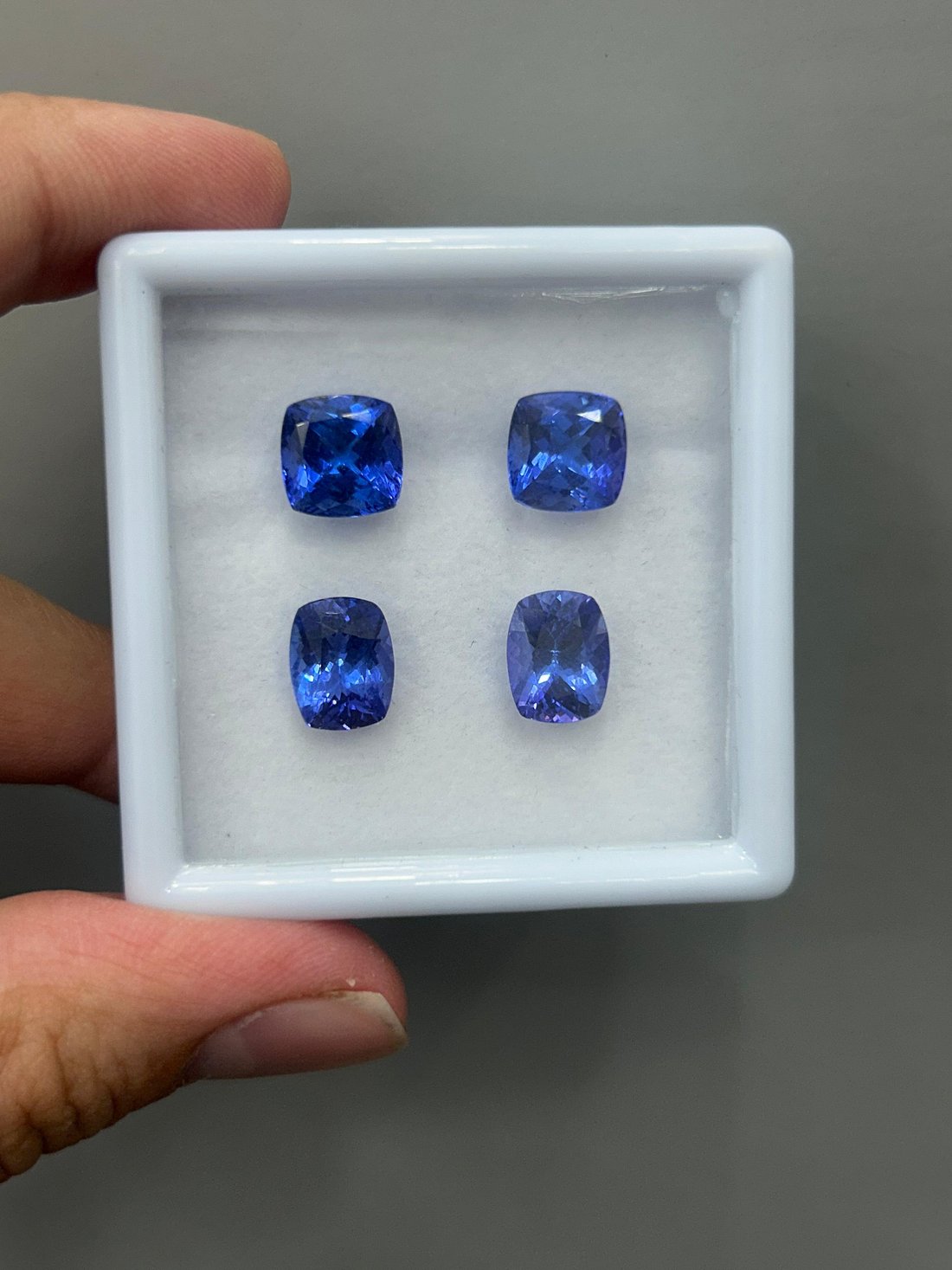
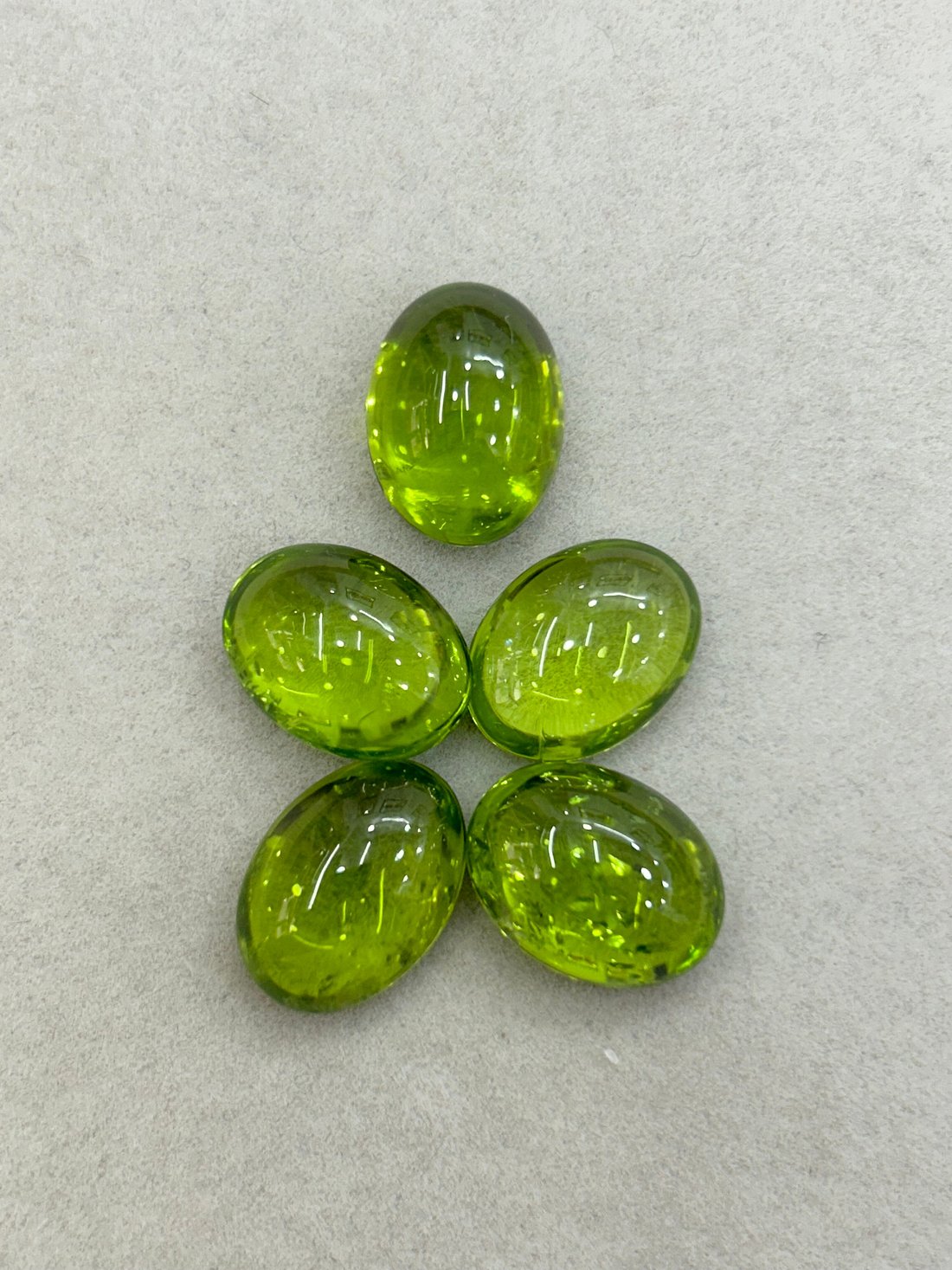
Choosing a fancy colour diamond: first establish the colour claim
Distinguish an appealing colour, its laboratory description and evidence for natural or treated colour.
In this article
Editorial draft. Sources checked 2 October 2026.
Begin with the question behind the colour
A fancy colour diamond invites two different reactions: you may love the appearance, and you may want to know why it looks that way. Give each reaction its own place in the decision. Ask what colour you enjoy, then ask what evidence supports the seller's description. An attractive appearance is something you can assess personally; the origin of that colour is an information question.
A separate colour category
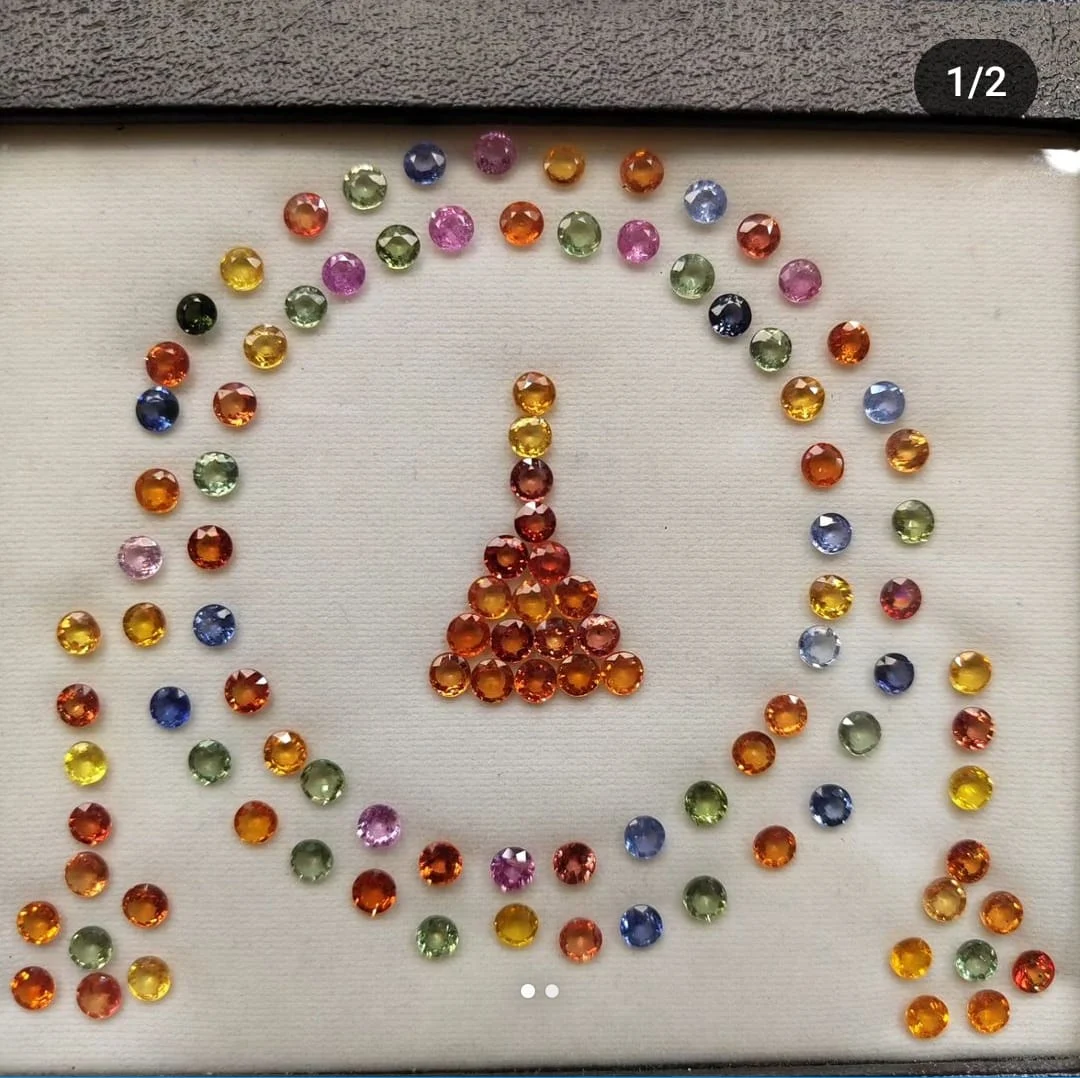
Fancy colour diamonds include yellow and brown stones beyond the D-to-Z range and diamonds showing other colours visible when viewed from above. Yellow and brown are more common among fancy colours, while several other hues are much rarer. Many natural coloured diamonds have muted rather than intense appearances. A striking photograph is not, on its own, a colour classification. GIA fancy color diamond description.

Colour changes the buying emphasis
Colour is the dominant value factor. Attractive colour seen from above can make a stone with visible internal features, called inclusions, desirable, but inclusions that threaten durability still matter. Cutting often aims to strengthen colour rather than maximise light return alone. These priorities differ from using an ordinary diamond's lack of colour as the main comparison point. GIA fancy color diamond quality factors.
Compare complete appearances
Choose candidates close to your intended design, then request consistent views with the lighting clearly explained. Make notes in your own words before reading a seller's superlatives. If you are unsure what a grade means, ask for an explanation tied to the exact gem. Our colour-and-lighting guide and quality-buying guide can help you turn a broad attraction to colour into a practical shortlist.
Establish what the colour description proves
Diamonds can be treated to alter their colour. GIA coloured-diamond reports can document colour grade and whether colour is natural or treated, depending on the report requested. GIA also notes that many black diamonds have been treated. The word diamond and an appealing hue do not settle the origin of the colour. GIA fancy color diamond buying guidance.
Keep several claims apart
Write down the claims you want checked before buying:
- What is the material's identity?
- Is its colour natural or treated?
- Is the seller also claiming a geographic origin?
Ask which document supports each answer and whether it belongs to the exact stone. The report-reading guide helps you examine the document's scope. The treatment-disclosure guide explains the distinction between changes to colour and how the diamond itself came into existence. Follow up wherever the description leaves one of your questions open.
A diamond still needs a care plan
Fancy colour diamonds have Mohs hardness 10, but a hard impact can still chip, split or fracture them. Extreme temperature changes also pose risks. A loose diamond can wear surrounding metal. GIA discourages home use of abrasive powders, ultrasound or steam; gentle cleaning and attention to the setting are better starting points. GIA care.
Choose the evidence and the experience
Review the colour-origin answer beside the stone's appearance before deciding. Before cleaning or arranging a repair, ask the jeweller about treatment-specific care and the completed piece's setting, metal and any plating. The ordinary diamond guide gives context for other diamond comparisons; keep your coloured-diamond questions with it. If the report's scope is unclear, request an explanation of what it establishes about this stone. Return to the appearance you liked only after the description is clear enough to assess.