Choosing emerald: understand the green and the fissures together
Assess emerald colour while taking inclusions, fracture filling and individual care seriously.
In this article
Editorial draft. Sources checked 2 October 2026.
How do you want to wear it?
Will your emerald be a piece you wear regularly or one you bring out for particular occasions? Keep that question beside the green you enjoy in a listing. Before deciding, ask what you need to know about the actual stone and the proposed setting. A photograph gives you a starting point for a conversation. Your intended design and wearing habits help you decide which questions to ask next.
What counts as emerald
Emerald is green to bluish green beryl. Very light green material is generally called green beryl, although there is no universally agreed dividing line. GIA uses comparison stones to decide whether the colour is sufficiently dark and saturated for the emerald name. The name is therefore a gemological description, not a promise of exceptional quality. GIA emerald description.
Look at colour and clarity together
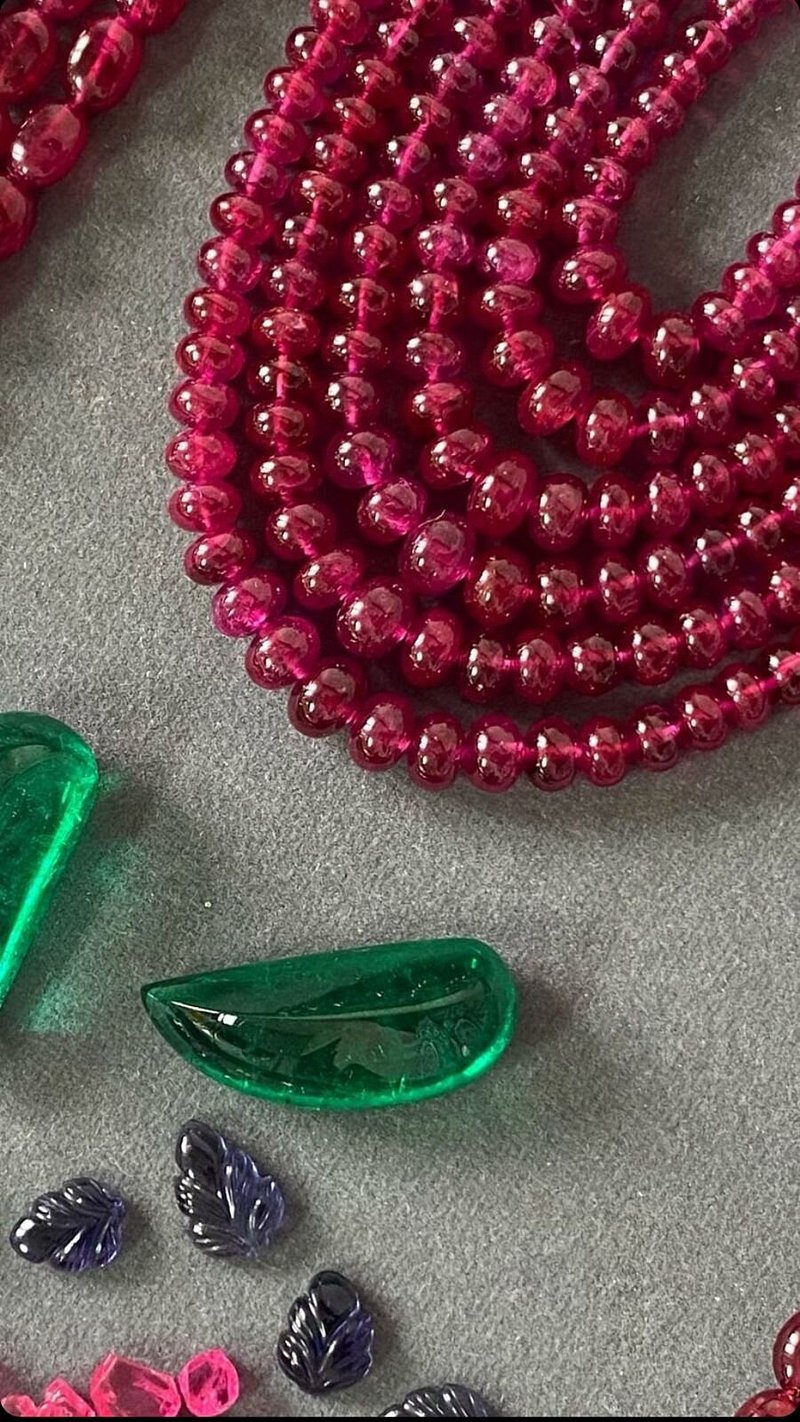
Vivid green to bluish green colour and good transparency are desirable. Internal features, called inclusions, are commonly visible without magnification and more accepted than in many other gems. Eye-clean examples, which lack visible inclusions, are rare. Good cutting considers both appearance and fissures, or fractures. An emerald's visual appeal should therefore be assessed without borrowing clarity expectations from a different gemstone. GIA emerald quality factors.

Ask to see the particular trade-off
Imagine that one candidate has your favourite green but features you can easily see inside it; another looks clearer but has a colour you enjoy less. Ask the jeweller to explain each stone without treating either feature as an automatic answer. Our quality-buying guide helps structure that conversation. You can then decide which appearance you prefer while keeping any condition concerns separate for professional assessment.
Request evidence about enhancement
GIA offers emerald identification and, where possible and requested, an opinion on geographic origin. Reports can address natural or laboratory-grown identity and detectable treatment, and describe the amount of fracture filling present. Origin does not make every stone from a locality equally fine. Evidence should support the individual description rather than replace examination of the individual gem. GIA emerald buying guidance.
Make the paperwork specific
Ask whether the document applies to this exact stone, what treatment has been disclosed and whether the seller is offering an origin statement or a broader sourcing claim. Keep the answers separate so you can see which claims have evidence. Read the report-reading guide and the treatment-disclosure guide before reviewing the answers. If you value an untreated description, ask what evidence establishes it instead of inferring it from the price.
Choose care around the fissures
Emerald has fair-to-good resistance to breaking, called toughness. Its Mohs hardness of 7.5 to 8 measures scratch resistance. Fracture filling is widespread. Heat can extend fractures, while light and chemicals may affect the fillers. Steam and ultrasonic cleaning are risky for this material. GIA's safest approach is a gentle wash using warm water and soap. GIA care.
Let the wearing plan be realistic
Describe your wearing plans to the jeweller and ask how the chosen emerald's condition and setting fit them. Use the durability guide to prepare questions about scratch resistance and other risks. Request care advice for the whole piece, including the metal, any plating and the setting, before cleaning it. If a fissure or treatment description is unclear, leave assessment to a qualified professional and ask for an explanation before buying. Choose with those answers in hand, alongside your preference for the green.