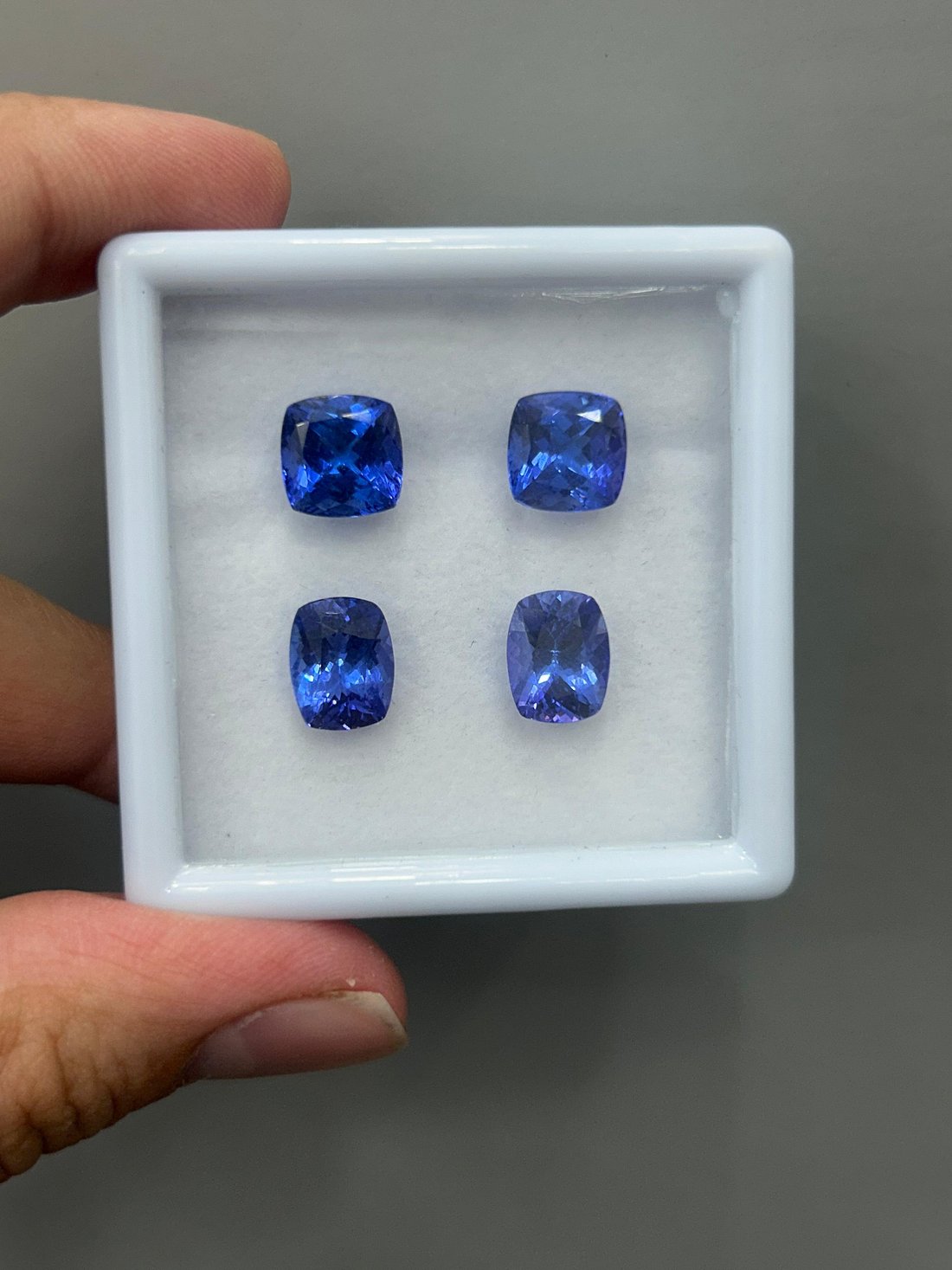
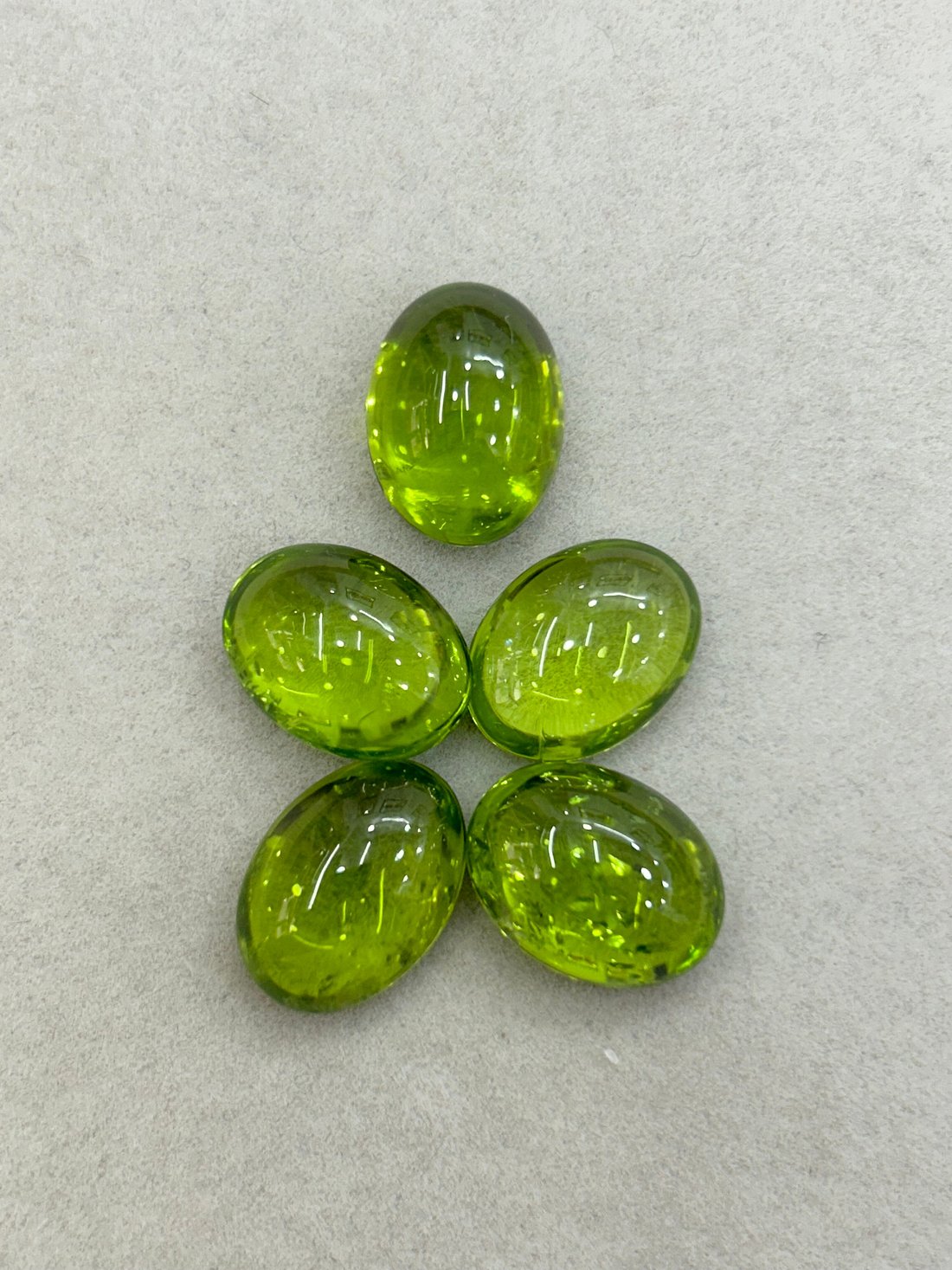
Colour change and pleochroism: what changes when you view a gemstone?
Understand colour change and pleochroism, then ask for a fair viewing comparison before choosing a gemstone.
In this article
Colour change concerns a gemstone’s appearance under different light sources. Pleochroism concerns colour seen in different directions through certain crystals. A gemstone can show both. Alexandrite, for example, can change colour between daylight and incandescent light and also display directional colours. GIA’s alexandrite explanation
Those distinctions help you understand a demonstration. If someone moves a stone from side to side while changing the lamp, two variables have changed together. Ask to see them separately before deciding which effect appeals to you.
What pleochroism describes
Pleochroism occurs in doubly refractive gemstones, which split light into two rays in most directions. The rays can be absorbed differently according to their direction through the crystal. It may be visible in a faceted gem, but the cut and the light’s path influence the appearance. Not every doubly refractive stone shows strong directional colour to the eye. GIA’s research also distinguishes pleochroism from other causes of uneven colour. GIA’s introduction to pleochroism
Use the term as a description of a property, rather than a verdict on whether a gem is attractive. You might prefer one face-up colour, enjoy the variation, or find a dark direction distracting. Write down that preference in ordinary words before worrying about the technical label.
Ask for two comparisons
For a buying conversation, request a clear demonstration of what changes with the light source and what changes as the stone is turned. Ask the seller to name the light sources and explain which position you are seeing. This is a viewing request, not a laboratory identification test.
Keep a simple observation note:
- Which viewing position did I prefer?
- Which lights will I normally wear the piece under?
- Was the effect clear in person, or only in a photograph?
- Does the proposed setting let me enjoy the view I liked?
If you are shopping remotely, ask for the same actual stone in both demonstrations. Request an explanation of the conditions used. A video is useful evidence of appearance, but the material description and any laboratory report remain separate parts of the offer.

Change one viewing variable
Ask to see the same actual stone in both comparisons.
- Light source
- Keep the viewing position fixed
- Viewing direction
- Keep the light source fixed
Diagram text
Light source: Keep the viewing position fixed. Viewing direction: Keep the light source fixed.
Decide what the description promises
Suppose a listing calls a gem “colour changing” and shows two photographs. Ask whether those images demonstrate different lighting, different directions, or both. You do not have to infer the cause from the two colours alone.
When you discuss the final design, explain your intended use. A stone chosen for evening wear may answer your brief differently from one you want to enjoy at a desk all day.
Read the gemstone lighting guide for broader colour comparisons and the alexandrite guide for that material’s buying questions. The optical vocabulary guide helps with unfamiliar labels.
If the identification matters to the purchase, ask what evidence supports it. A pleasing demonstration can establish that you like what you see. It cannot, by itself, establish the stone’s species, natural or laboratory-grown formation, or treatment history.