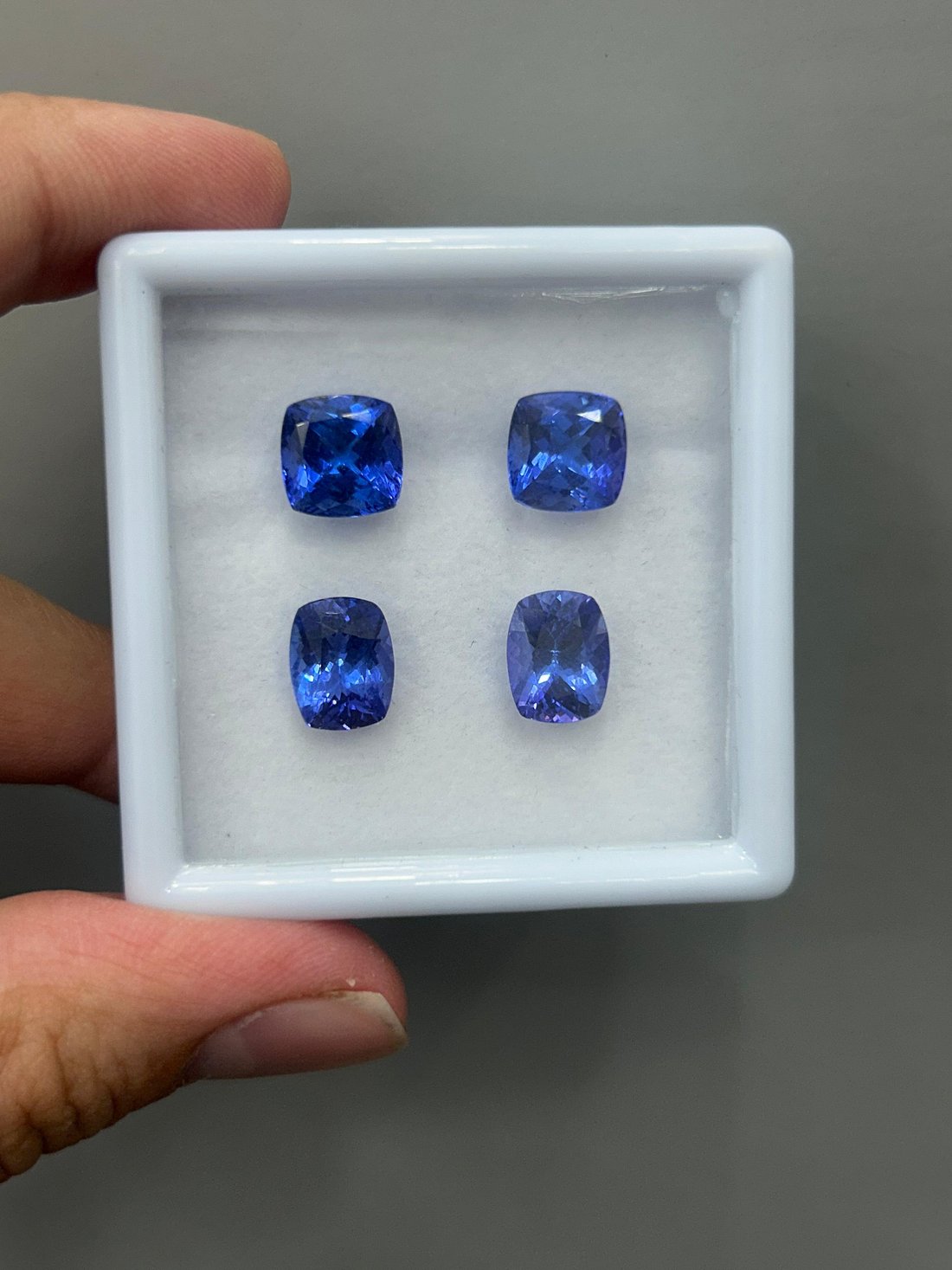
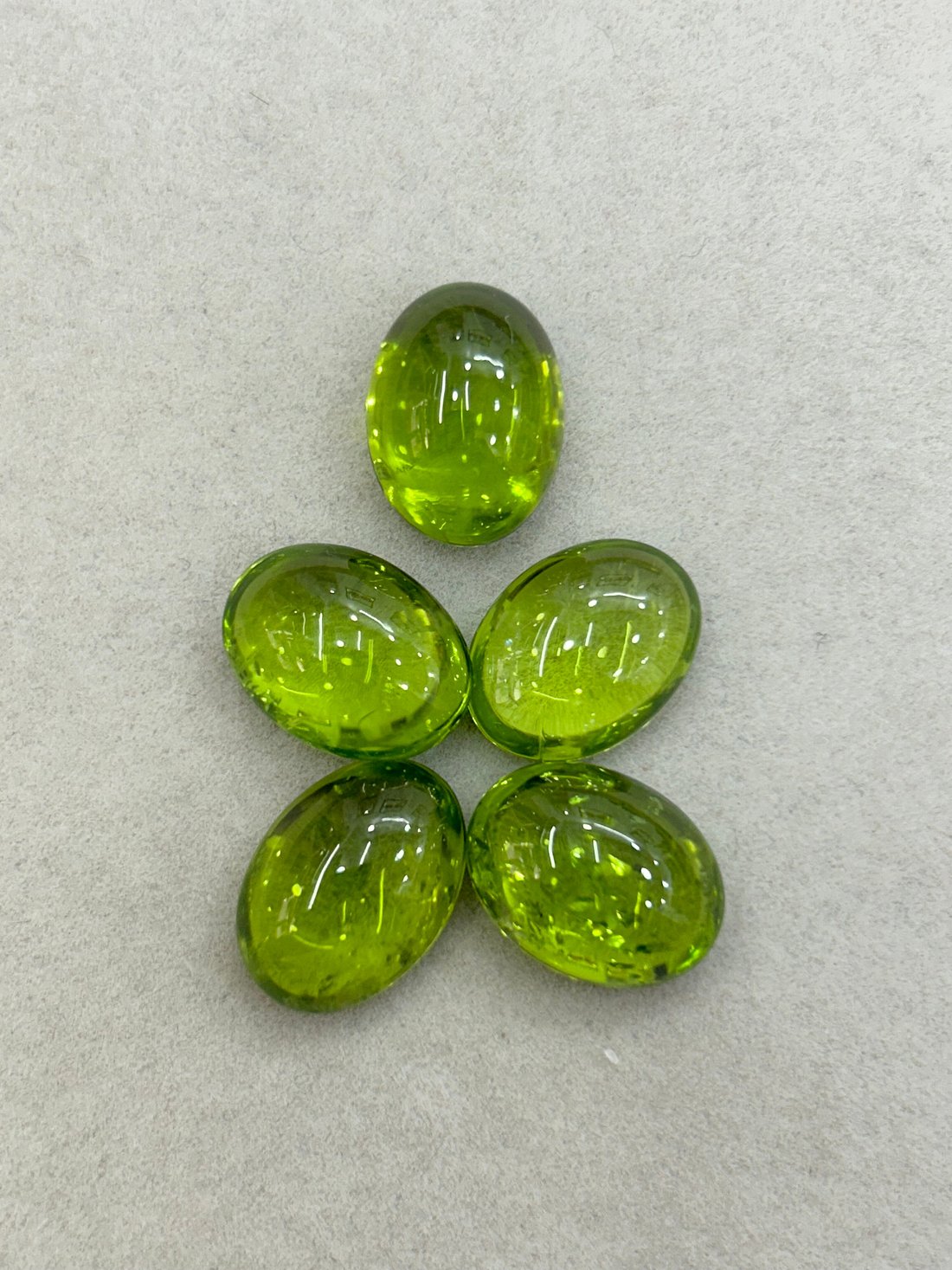
Choosing aquamarine: compare blue colour at the size you will wear
Compare aquamarine colour, size and heat-treatment disclosure without relying on locality or seller grades.
In this article
Editorial draft. Sources checked 2 October 2026.
Start with the finished scale
An aquamarine search can go astray if your favourite reference is a large loose stone but your intended piece is a small everyday ring. Start by describing the finished size and design you want. Then look at candidates close to that brief. This makes the shortlist more useful than collecting beautiful examples that would not suit the piece you have in mind.
A place within the beryl family
Aquamarine is blue to green-blue beryl, the same mineral family that includes emerald. Much material has a pale greenish-blue appearance. GIA gives its hardness as 7.5 to 8 and identifies it as a March birthstone. Those shared mineral-family terms do not mean aquamarine and emerald should be judged or cared for identically. GIA aquamarine overview.

Colour and size need to be compared together
Aquamarine's stronger blue colours are valued, and larger fashioned stones often show more intense colour. Some sources also produce deeply coloured smaller gems. Most faceted examples have no internal features, called inclusions, visible without magnification. Many market stones have been heated to make the colour more purely blue, so a bluer appearance alone does not establish an untreated stone. GIA aquamarine quality factors.
Ask for a like-for-like view
Request photographs or a demonstration using the same light, background and distance for every candidate. If you are planning several stones in one piece, ask to see them together rather than making comparisons between isolated listings. The colour-and-lighting guide provides a starting point. Our carats-and-millimetres guide helps organise size questions without letting a weight number stand in for the whole design.
Locality is not a quality guarantee
GIA explains that a famous mine name does not, by itself, make an aquamarine fine or valuable. There is also no universal AAA aquamarine grading scale. Colour, clarity and cutting need to be assessed in the stone itself. An identification report can address natural or laboratory-grown identity and detectable treatment; it is not a personal preference ranking. GIA aquamarine buying guidance.
Separate three decisions
For each candidate, record the appearance you like, the seller's description and the evidence available. Then add a note about the intended piece: its size, design and how often you want to wear it. If locality matters to you, flag that claim for a separate conversation. The report-reading guide helps you check which questions the document answers. Keep unanswered questions visible as you narrow the shortlist.
Choose a cautious care method
Aquamarine needs protection from scratching and hard knocks. Heat exposure is not recommended, although its colour is stable in light. Warm water and soap are safe for cleaning the gem. Ultrasonic or steam cleaning is usually suitable only when the stone has no fractures or liquid inclusions. Rare fracture-filled examples should be cleaned with warm soapy water alone. GIA care.
End with a wearing conversation
Show the jeweller your design brief and explain how often you expect to wear the piece. Ask about the selected aquamarine's condition and care of the proposed setting, metal and any plating, using the durability guide to prepare. Before committing, review the views you were given at the intended size. If your favourite reference remains a much larger stone, ask for a closer comparison so you can decide on the piece you actually plan to wear.