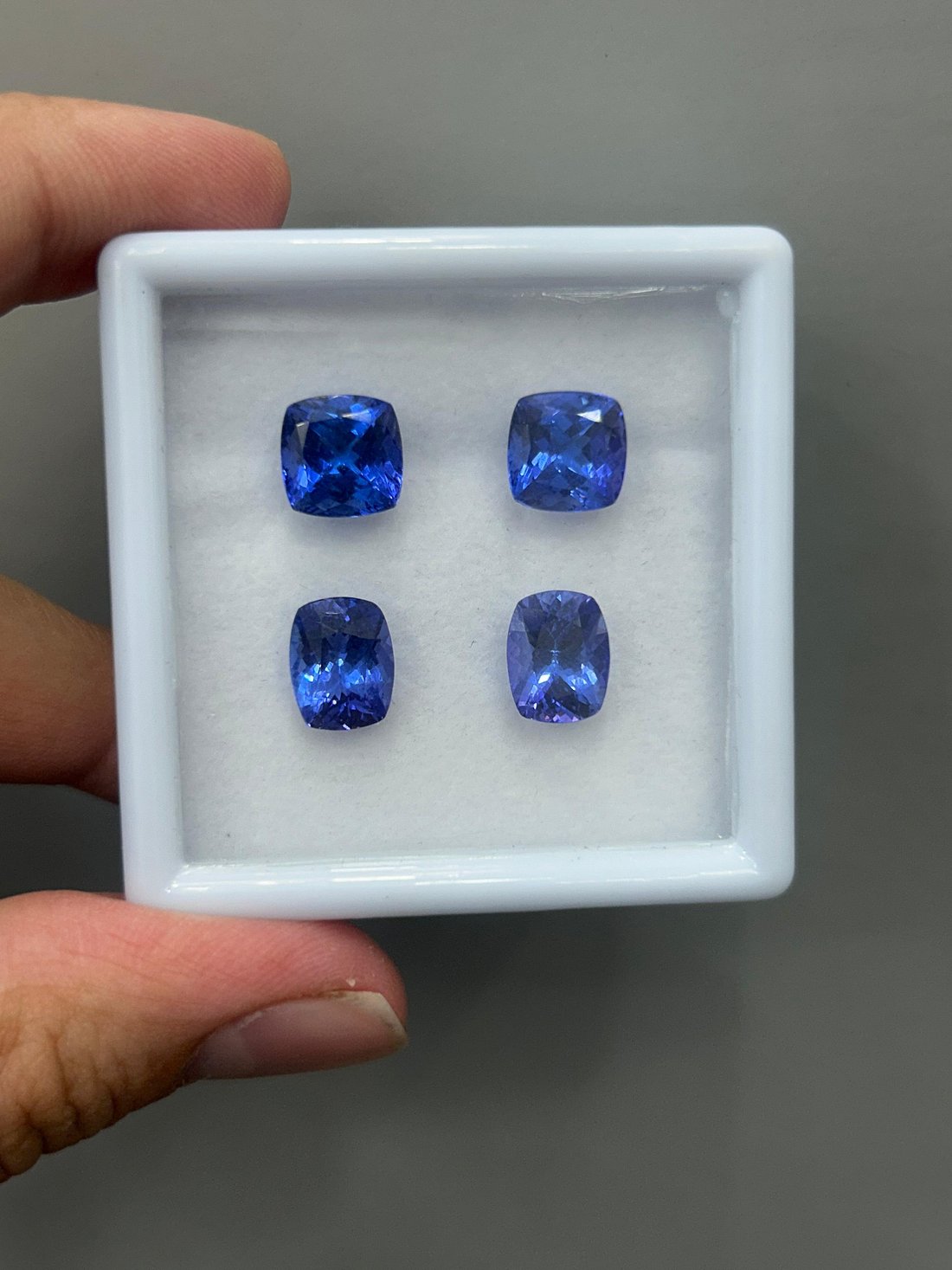
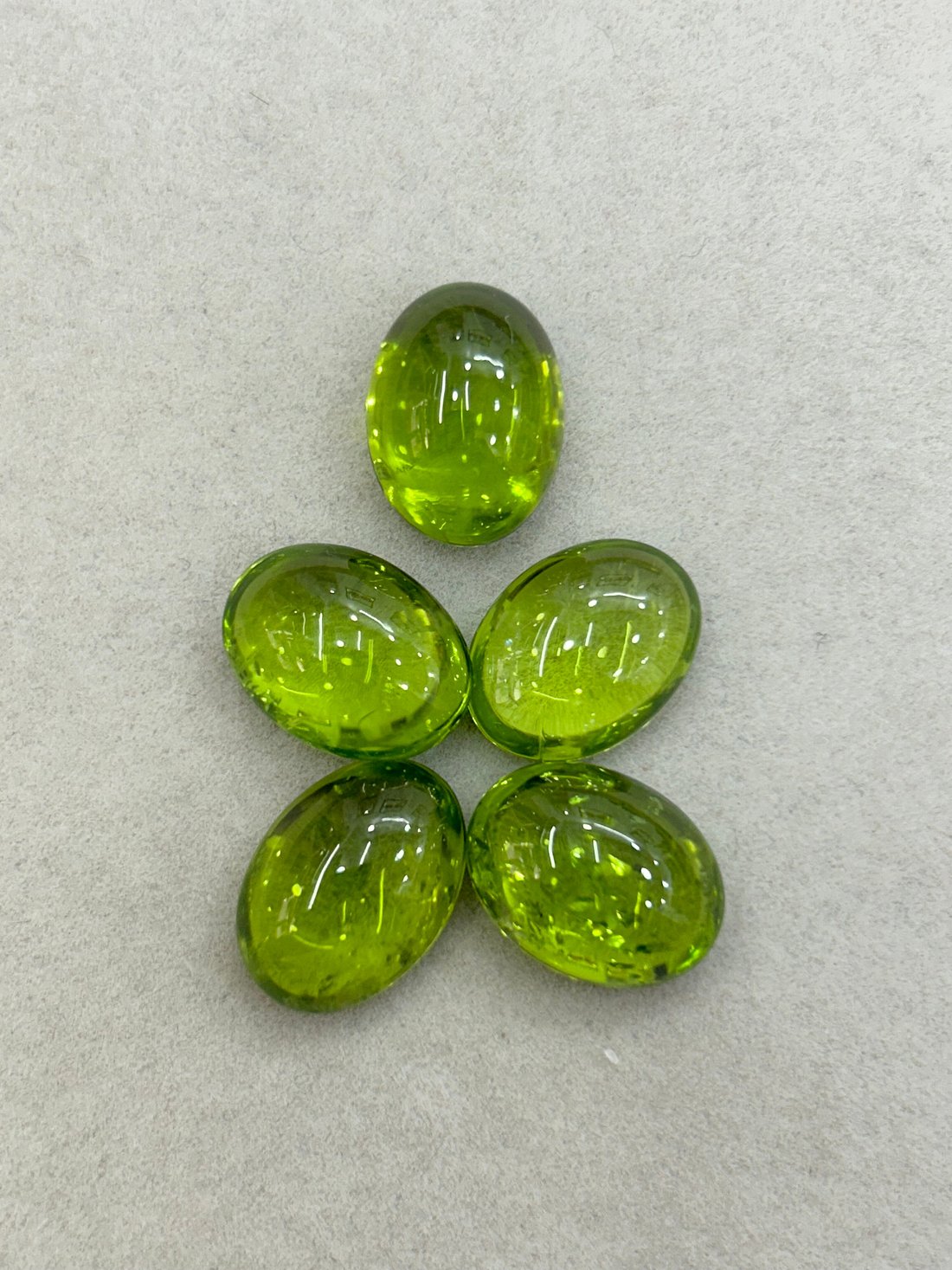
Choosing amber: decide what you value inside the gem
Separate amber appearance, inclusion interest and identity from treatment or composite claims.
In this article
Editorial draft. Sources checked 2 October 2026.
A clear buying brief
Before choosing amber, decide what attracts you most: a warm-looking colour, an unusual shape, or something visible inside the material. Each gives you a different starting point. A piece can be appealing without having every feature, so start with the one feature you would regret giving up. This is especially useful when a seller places the entire emphasis on an insect inclusion.
Understand the material
Amber is fossilised tree resin, so it is an organic gem rather than a mineral. Plant or animal remains can be trapped in it. Its familiar colours include yellow and orange, although other appearances occur. Copal is a related but much younger resin material; the two names should not be treated as interchangeable. GIA amber description.
Look beyond perfect clarity
Transparency affects amber's value, but an interesting inclusion, such as a trapped plant or animal remain, can add value to a specimen that is not completely clear. GIA describes beads, smooth domed stones called cabochons, carvings and free-form polished pieces as common forms. Low density also allows relatively large amber pieces to feel light, which is useful context when comparing size and weight. GIA amber quality factors.

Compare the whole object
Try making two lists: what you enjoy about the piece, and what you still need explained. The first might include its outline, the way it sits against clothing, or the position of an inclusion. The second might ask whether the photographed specimen is the exact item for sale. Keeping enjoyment separate from unanswered questions helps you avoid talking yourself into an uncertain description simply because you like the design.
Ask about changes and construction
Heat, pressure and dye can alter amber, while pressed or reconstructed material combines smaller pieces into a composite. GIA also warns that imitations may contain recently inserted insects. For an important purchase, an independent laboratory report can help establish whether amber is natural and whether an inclusion was added later. GIA amber buying guidance.
Use specific questions
Ask the seller whether the item is one natural piece, reconstructed amber or another material. Then follow up on the description:
- Has its colour or transparency been changed?
- What evidence supports the inclusion claim?
- Does the photograph show the exact item for sale?
The treatment-disclosure guide helps with alterations, and the natural, synthetic and imitation guide helps with identity. Save the answers with the item description. Leave physical identification tests to a laboratory rather than risking damage at home.
Care is part of choosing
Amber has Mohs hardness 2 to 2.5, indicating low scratch resistance. Its poor toughness means it is also vulnerable to breaking. It needs protection against scratching, heat and chemicals. Long light exposure can darken it, and dyes may fade or change. GIA recommends cleaning only with warm water and a mild soap. A large piece's light weight should not be confused with resistance to damage. GIA care.
Choose a workable wearing plan
Tell the seller when you intend to wear the amber and ask how that plan fits the particular piece. Discuss the metal, any plating and the setting or stringing as well as the gem. The real-wear durability guide helps you prepare the questions. Before paying, check the written material description and any inclusion claim against the answers you received. If the inclusion story remains uncertain, ask for the evidence or reconsider how much weight you give it.