How do engraving and gemstone carving differ?
Distinguish cut metal engraving, gemstone carving and impressed decoration before approving a personal or decorative detail.
In this article
First establish which material carries the decoration. A design cut in silver and an image carved in a gemstone can both be described as engraving. Ask the maker to name the material and technique. GRS engraving definition.
Hand engraving cuts the metal
A graver is a cutting tool used to remove metal and create a design. GRS describes hand engraving in those terms. The finished work may include lettering, lines or ornament, but the word “engraved” alone does not tell you how a particular decoration was produced. Hand-engraving definition.
For a personalised commission, ask whether the proposed detail will be cut by hand, mechanically produced or made by another named method. Request an example of that method on a comparable surface. Approve the spelling, layout and location before the work is done. GRS engraving definition.
Gem carving works a different material
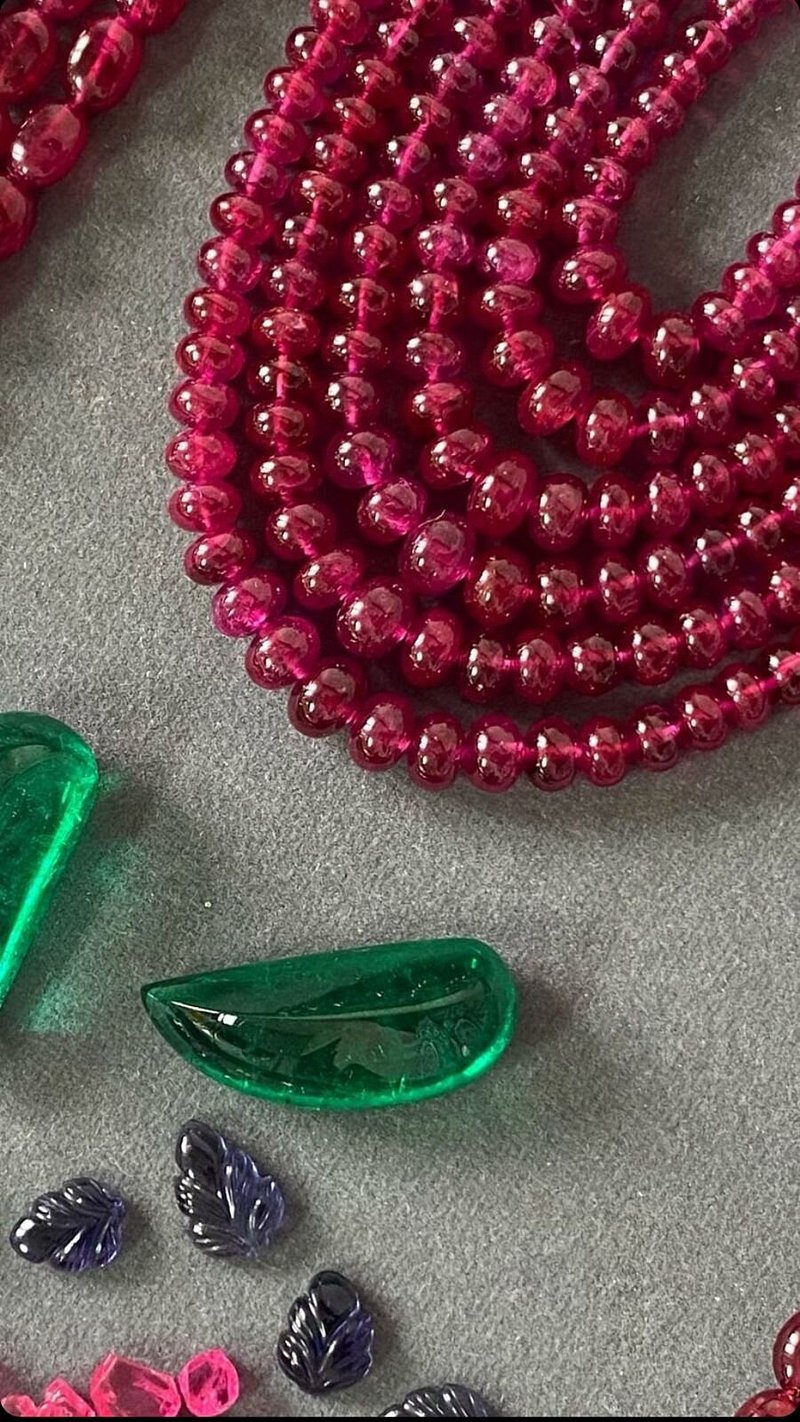
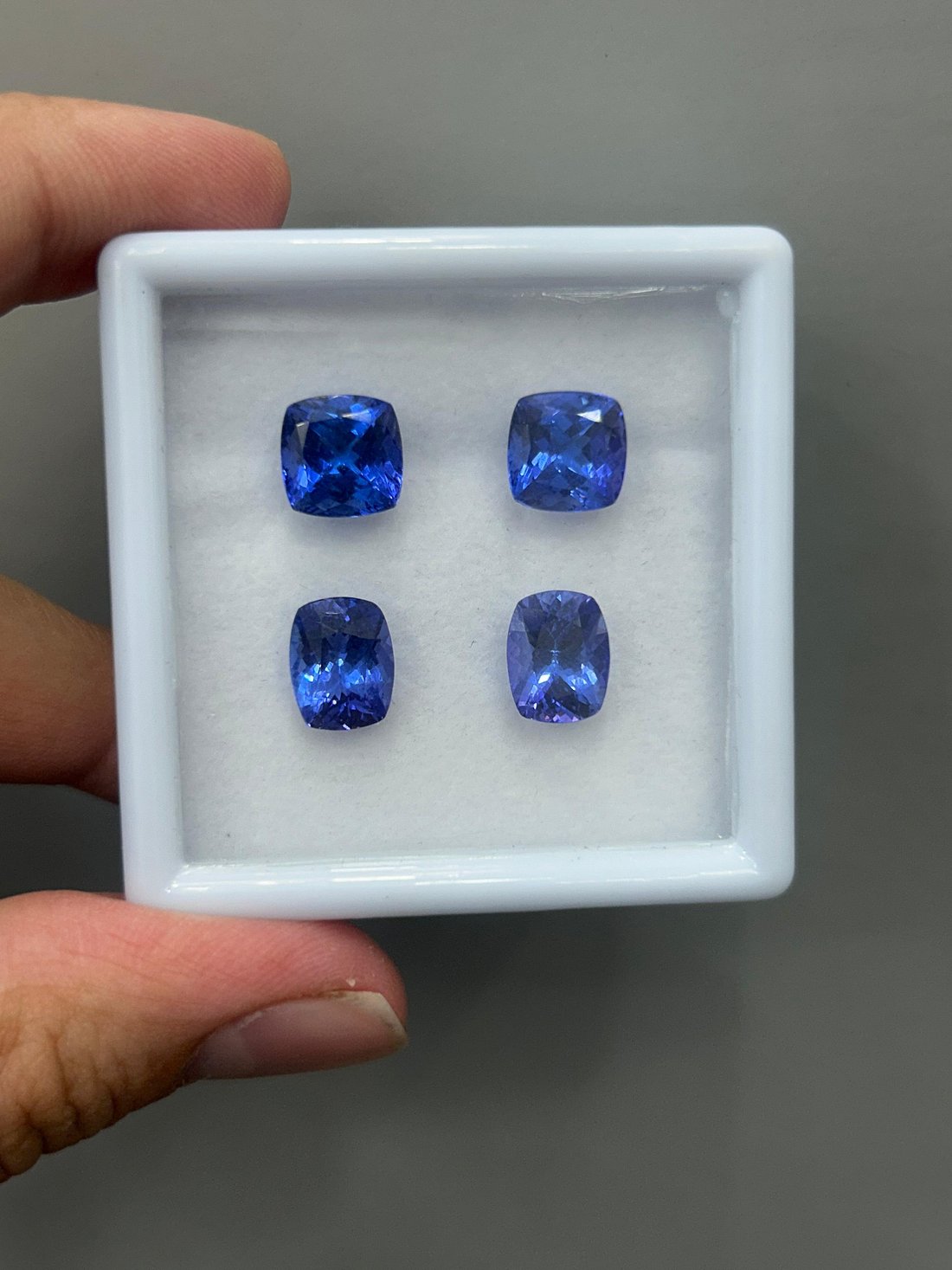
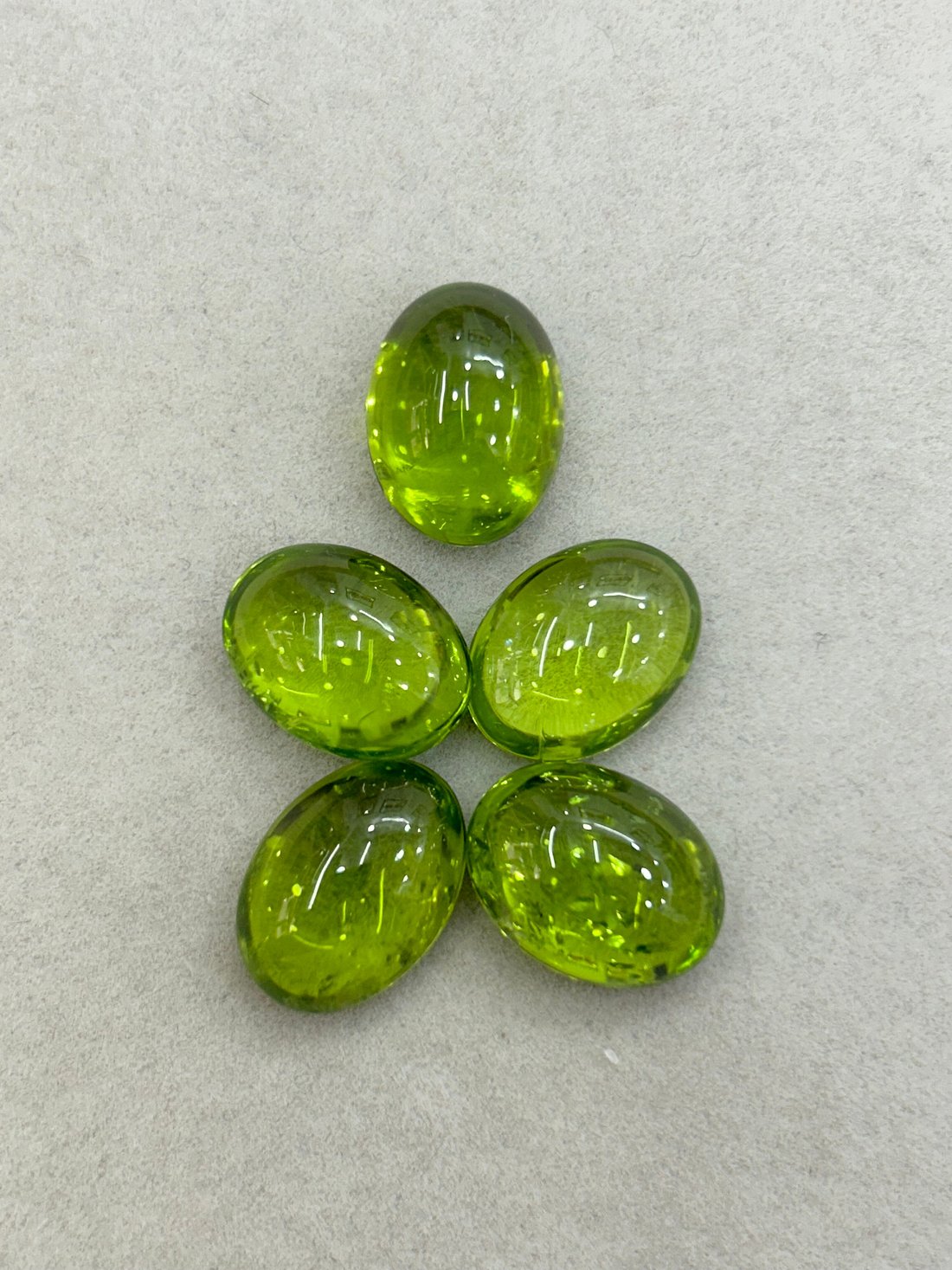
Gemstone carving creates an image or form in a gem material. In a cameo, the design stands in relief above its background. In an intaglio, the design is recessed below the surface. GIA discusses these distinctions and the importance of a carving’s material, condition and detail. Cameo and intaglio reference.
For a carved gemstone, ask what the material is and which part of the description refers to the carving. If you are comparing examples, look at the subject from the front and side, and request information about condition. A decorative image does not establish material identity or age. GIA cameo reference.

An impression has another meaning
Stamping presses a pattern into metal. File texturing cuts grooves, while texture plates can produce an embossed design. Cooksongold’s guide treats these as different surface methods. Describing all of them simply as engraving can hide a distinction relevant to a commission. Surface-method reference.
Approve the detail that matters to you
Separate visual preference from technique preference. You may like fine lettering regardless of the method, or you may specifically want a named craft process. Say which matters and ask the maker to confirm it in the description. Neither preference needs to be disguised as a universal quality ranking.
For a word or date, keep one final written version for approval. For a motif, note the orientation and placement on the piece. If you are unsure about scale, request a preview at the intended size instead of judging only an enlarged image.
Read texture as a design choice for broader surface decisions, or gemstone cuts when the question concerns the stone’s overall shape.