Why does a jeweller make a wax model?
Learn how a wax model acts as a jewellery pattern and what to clarify before approving the finished metal design.
In this article
Wax can help develop a jewellery form before metal production. Ask whether the model is a design study, a casting pattern or a model for reproduction. Goldsmiths’ Centre wax profile.
Wax can be a sculptural starting point
Wax can be carved, built up and shaped into a jewellery model. The Goldsmiths’ Centre describes wax modelling as a route to natural, sculptural and complex forms. It also stresses that further processes are needed to turn the model into a finished metal object. Wax-carver profile.
A model can therefore help you discuss the profile and surface detail of an idea. Ask the maker which features are already decided and which will be refined later. Keep the proposed metal, stones and finish in the same discussion so that your approval has a clear scope. Goldsmiths’ Centre wax profile.

What happens to the wax in lost-wax casting
The wax pattern is expendable: it is removed during the casting process, and metal occupies the space left for the design. Repeating a design involves producing fresh patterns, often using a mould made from a master. The wax itself is not the material worn in the finished silver piece. Lost-wax overview.
Approve what the model can show
Separate the questions into form and delivery. For form, ask to see the front, side and underside, and note the dimensions being approved. For delivery, ask for the final material description, intended finish and the agreed opportunity to review changes.
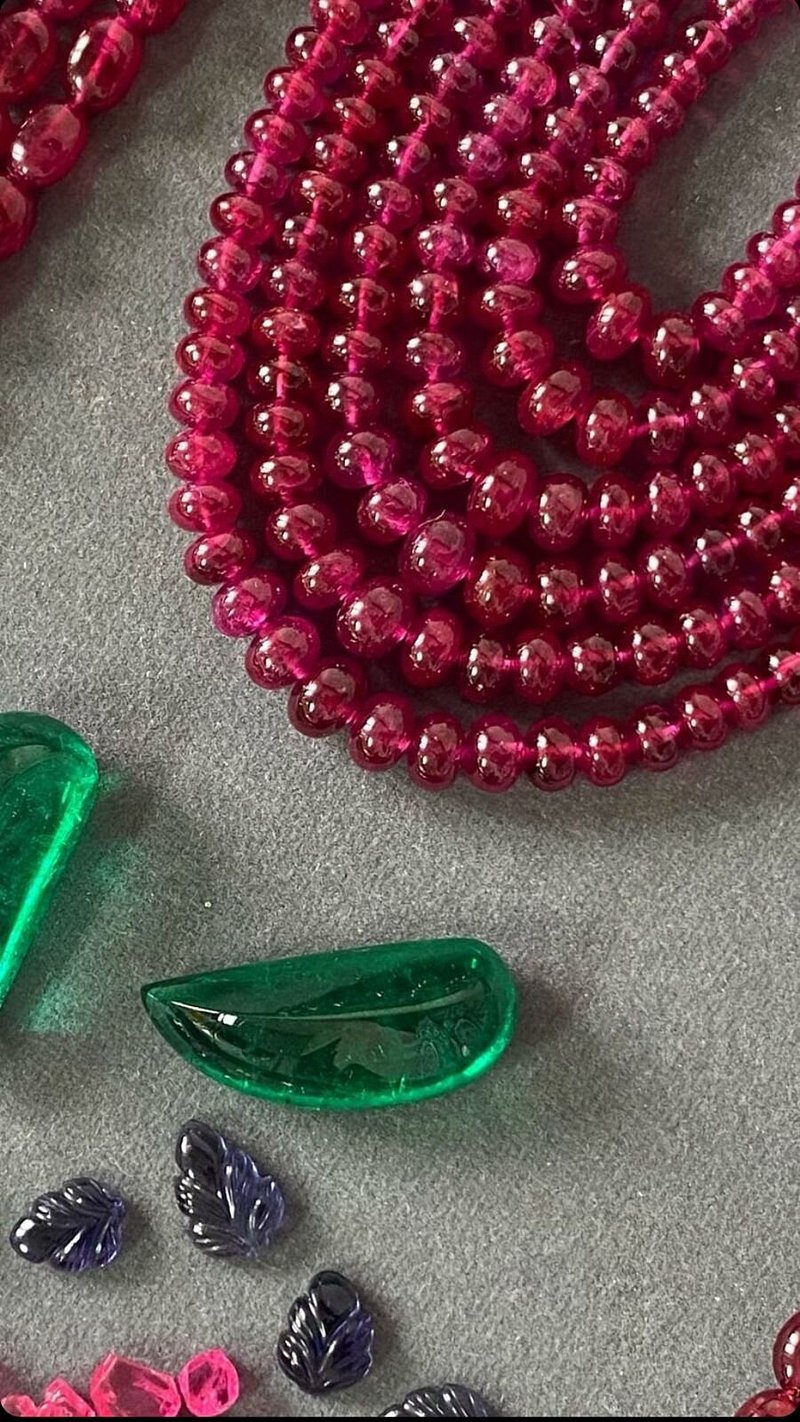
For example, if you like a raised leaf motif, say whether your priority is its outline, its height or the fine veins. This hypothetical brief gives the maker a clearer decision than “keep it exactly like the wax”. Ask which features can be represented reliably at this stage.
A model still needs a making assessment
Wax modelling is one part of a wider process. Do not use this overview as a casting lesson. Ask a trained maker or casting specialist to assess whether a proposed model is suitable for the intended metal route. A consumer approval and a technical manufacturing approval serve different purposes.
For a fuller description of the alternatives, read fabrication and casting. If the model looks substantial, the separate discussion of hollow jewellery can help you ask about its final construction.