What comes before making a piece of jewellery?
Plan a jewellery brief around wear, dimensions, materials and approvals before agreeing to a making route.
In this article
A useful jewellery brief explains what the finished piece needs to do. Start with how you want to wear it, then agree what the maker will show you before production. A favourite photograph can begin the conversation; your decisions need to go further than its outline. Weston Beamor workflow.
Design has physical constraints
Computer-aided design, or CAD, can produce a three-dimensional jewellery model. Computer-aided manufacturing, or CAM, turns digital information into physical work. GIA’s curriculum treats scale, proportions, cost and manufacturing constraints as part of design. A convincing render therefore belongs alongside a discussion of how the piece will be made. GIA design curriculum.
For a commission, ask which dimensions you will approve and what the preview represents. Is the image a design proposal, a technical model or a photograph of a finished sample? Record the answer with the agreed revision stage. These questions help make an attractive image useful as an approval document. GIA design curriculum.
Write a brief you can discuss
Describe your intended use in ordinary language. For a ring, you might prioritise a low profile because you wear gloves at work. For earrings, you might want a strong silhouette but a comfortable wearing weight. These are hypothetical priorities, not promises that any proposed design will meet them.
Then list what matters most to you:
- The piece type and the occasion or routine it must suit
- The dimensions or proportions you want to see on your body
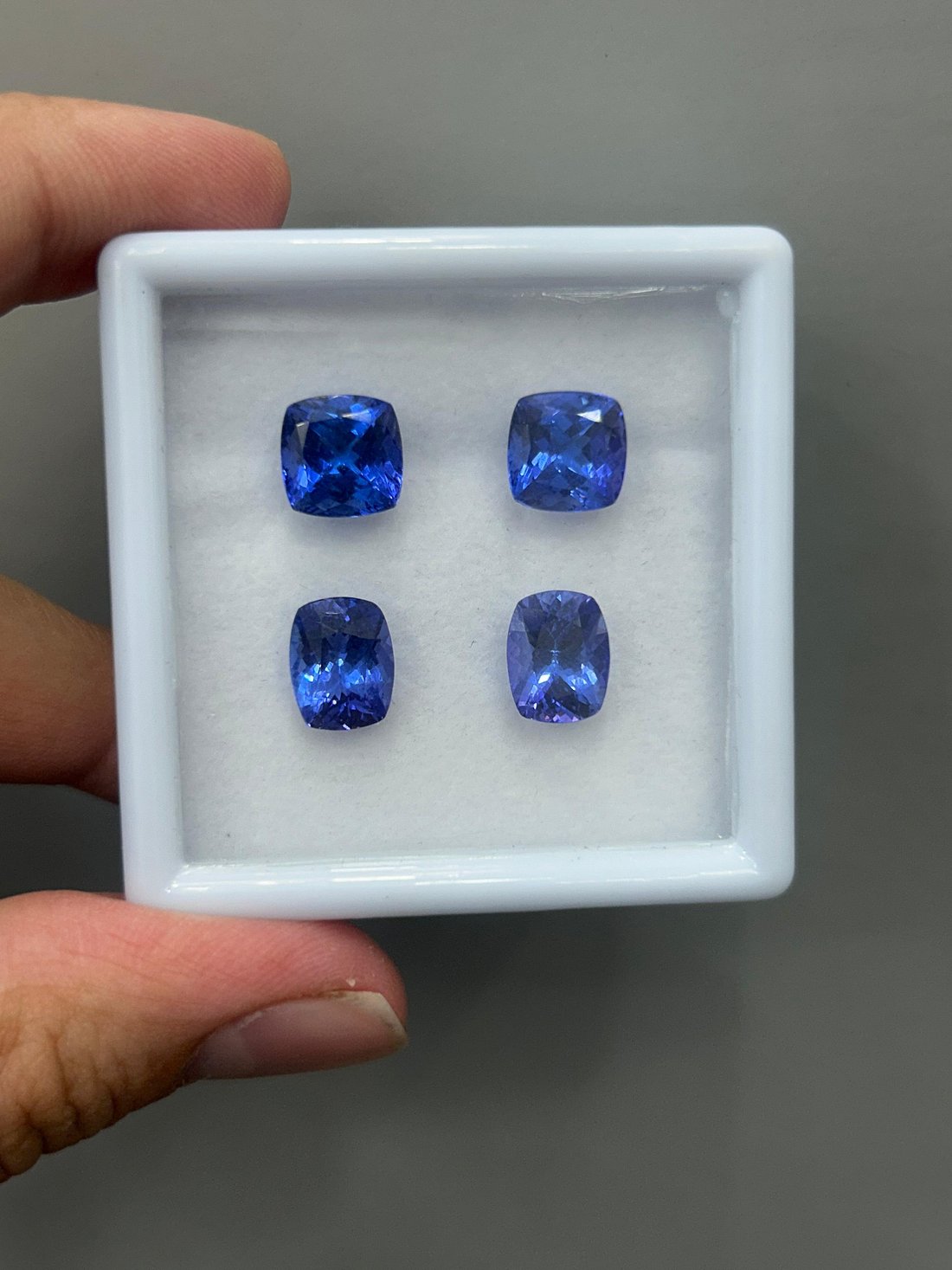
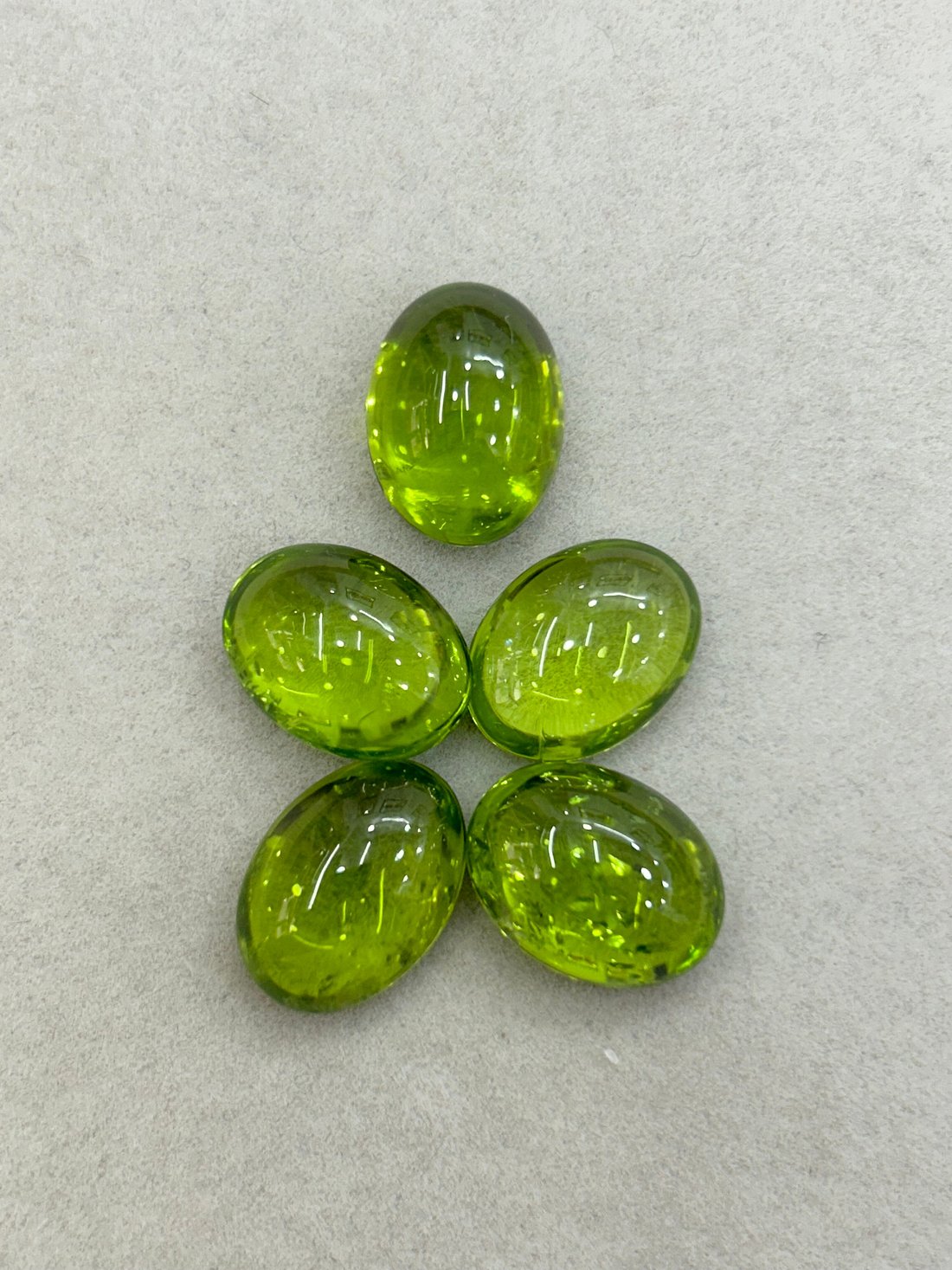
- The material description and any stone information already available
- The finish you want and the details you want preserved
Bring uncertainties into the brief too. If you have an existing gemstone, ask for a design assessment before committing to a mounting. If the budget is fixed, ask the maker to identify which choices are still flexible.
If you are preparing for a wedding, use the wedding jewellery planning guide to coordinate pieces across your actual events and outfits.
Agree on stages and approvals
Designing, modelling, casting and finishing can be separate stages. Weston Beamor’s published workflow is one manufacturer’s example of that division. It should not be read as a description of every workshop. Ask who is responsible for each stage of your commission and which approvals come before it. Manufacturer workflow.
Finish the discussion with a written summary of the approved design, price basis and scope of changes. Keep open questions visible rather than filling them with assumptions. For the next conversation, compare fabrication and casting and choose a surface finish.